Contact info +
.png)
.png)
.png)
Showroom Hours:
Mon-Fri - 9AM-5PM | Sat - 10AM-2PM | Sun - Closed
Mon-Fri - 9AM-5PM | Sat - 10AM-2PM | Sun - Closed


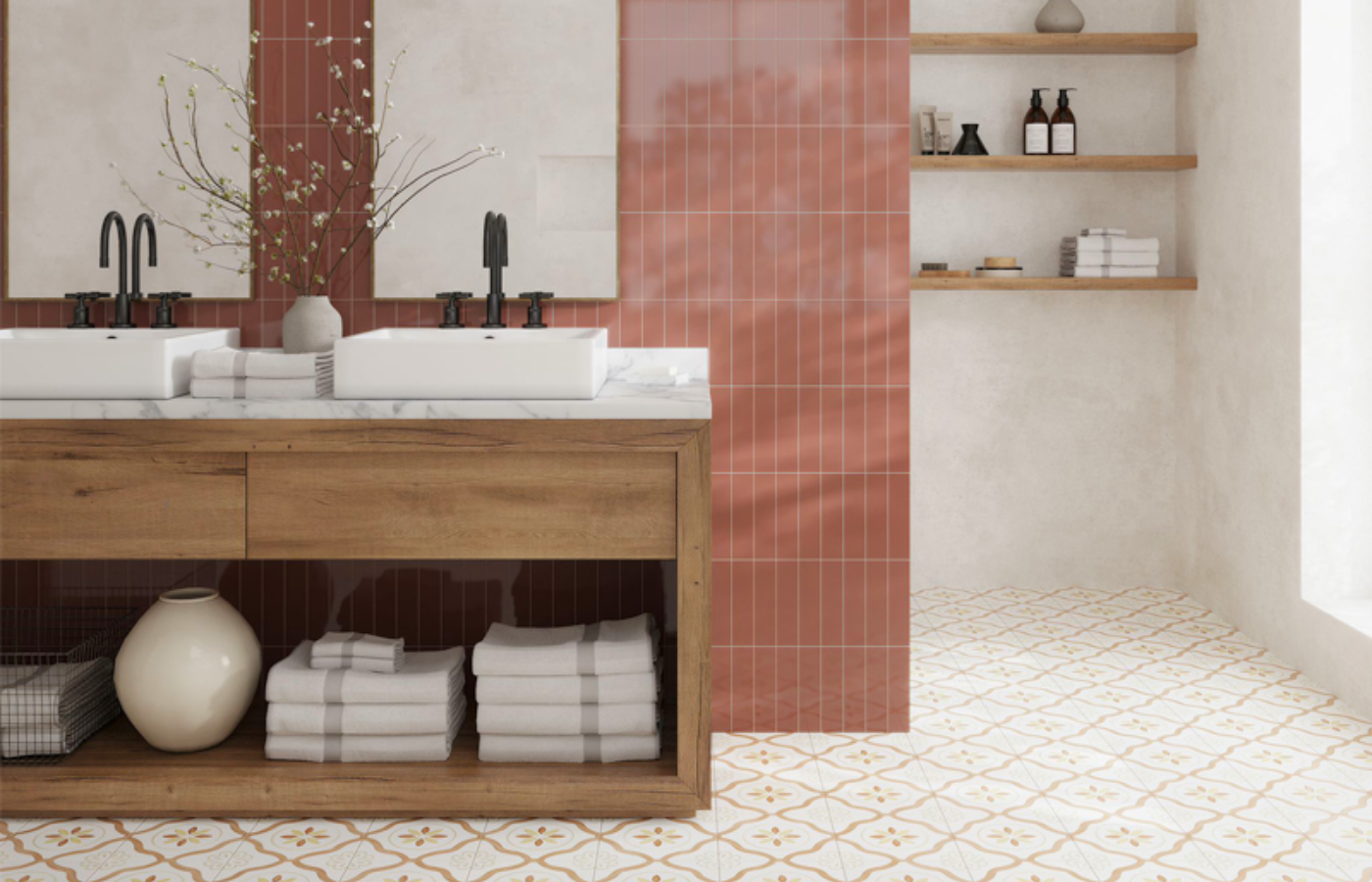
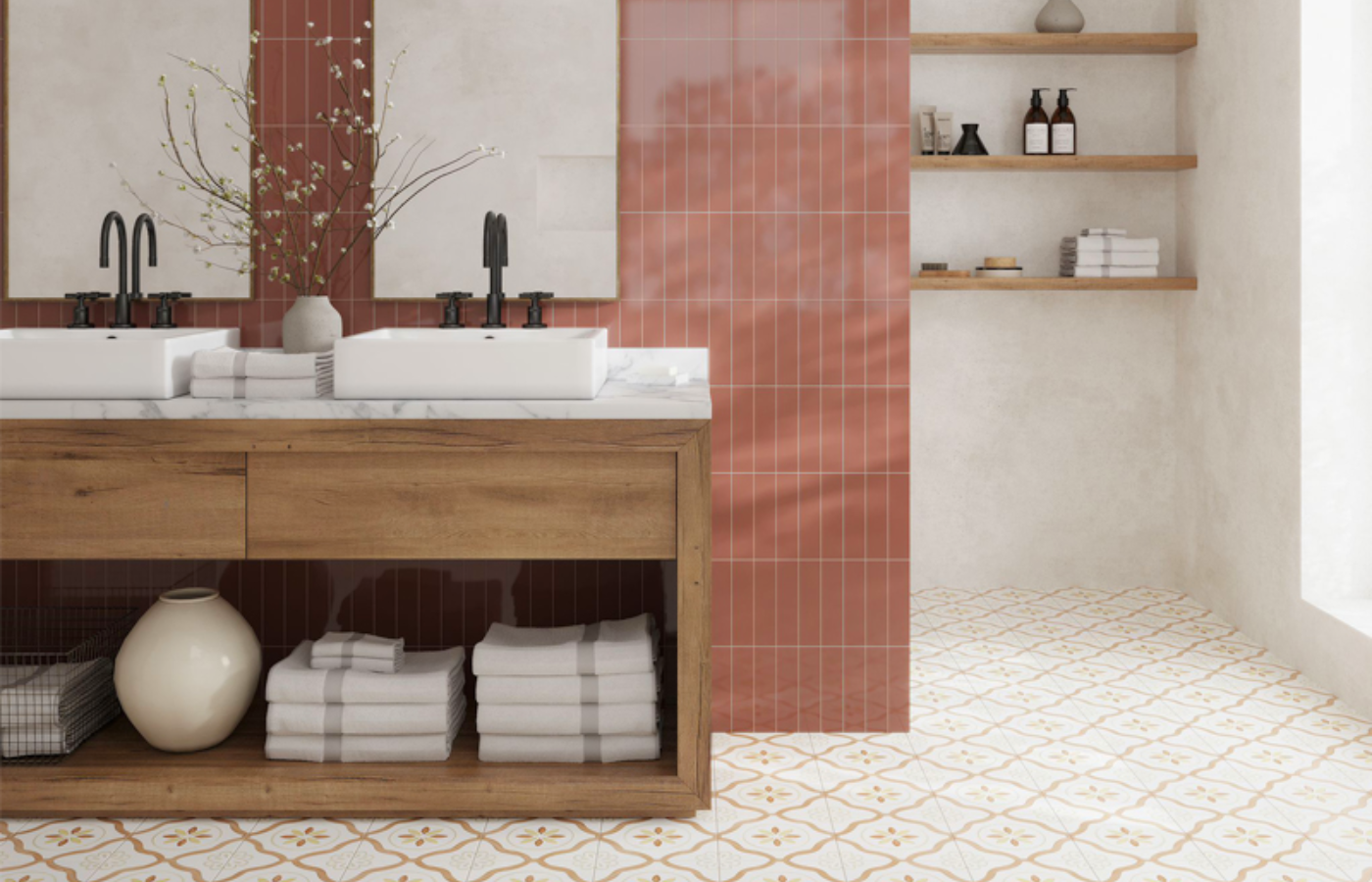
The tile beneath your feet does more than complete a room. It absorbs impact, resists moisture, handles daily traffic, and defines the visual tone of your space. Choosing the wrong material can lead to premature wear or design regret. Choosing the right one elevates everything. At Design Surfaces, we help Cleveland homeowners make confident, design forward decisions every day. If you are debating porcelain or ceramic tile, understanding durability, performance, and design differences is essential before you commit.
Both porcelain and ceramic tile are made from clay and fired in a kiln. The difference lies in composition and firing temperature.
Porcelain is produced using refined clay and fired at higher temperatures, creating a denser and less porous tile. Ceramic tile is slightly softer and more porous, making it easier to cut and shape but somewhat less resistant to heavy wear.
This structural difference directly affects how each tile performs in real world applications.
In high traffic Cleveland homes, durability is not optional. Entryways see salt and snow. Kitchens handle spills and dropped cookware. Mudrooms absorb moisture and grit.
Porcelain tile offers:
Because it is so dense, porcelain is ideal for:
For homeowners investing in long term value, porcelain often delivers exceptional longevity.
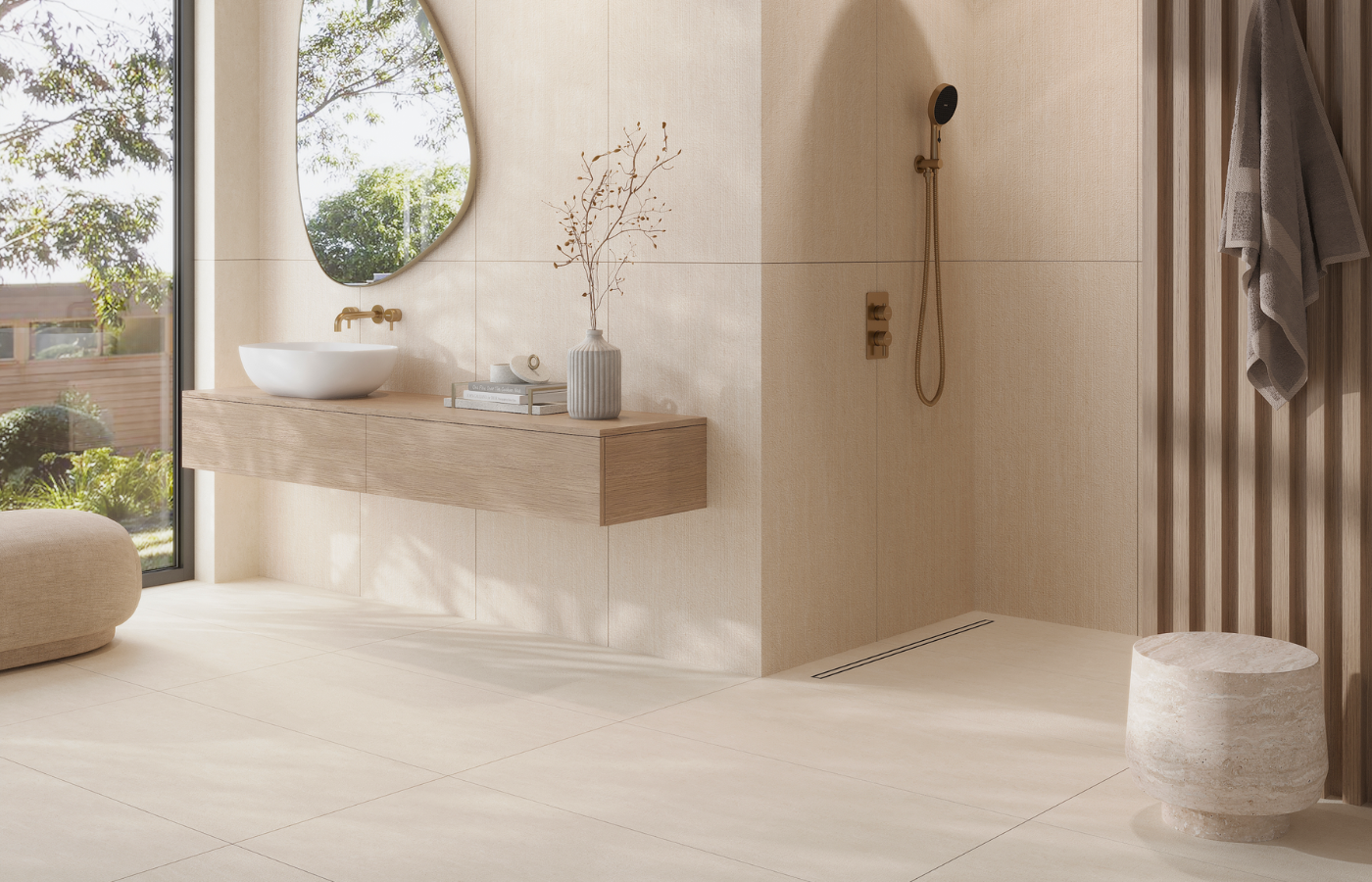
Ceramic tile remains a reliable, beautiful option for many interior applications. It performs especially well in:
In moderate traffic areas, ceramic offers durability with greater design flexibility and often a lower initial cost.
When comparing porcelain or ceramic tile for high use flooring, porcelain typically wins in pure strength. However, that does not mean ceramic is a compromise. It simply serves different applications better.
Cleveland weather demands smart material choices. Snow, humidity, and temperature swings can test surface performance.
Porcelain’s extremely low water absorption rate makes it highly resistant to moisture infiltration. This makes it a preferred choice for:
Ceramic tile can absolutely be used in bathrooms and kitchens when properly glazed and installed. However, it is generally not recommended for exterior environments exposed to freezing temperatures.
If moisture is a major factor in your project, porcelain often provides greater peace of mind.
The density of porcelain tile translates into impressive structural integrity. It resists cracking and maintains its appearance even under heavy furniture or constant foot traffic.
Ceramic tile, being slightly softer, is easier to cut and install. This can make it especially attractive for intricate designs or detailed wall applications. Installers often appreciate the workability of ceramic when creating patterned backsplashes or custom layouts.
At Design Surfaces, serving homeowners, designers, and contractors across Cleveland, we help clients evaluate both performance needs and installation considerations to ensure a seamless result.
Performance matters, but aesthetics drive inspiration.
Today’s porcelain and ceramic tile collections offer extraordinary design potential, including:
Porcelain often leads in ultra realistic stone and wood looks due to advanced manufacturing technology. Large format porcelain tiles are especially popular in contemporary Cleveland homes seeking a sleek, minimal aesthetic with fewer grout lines.
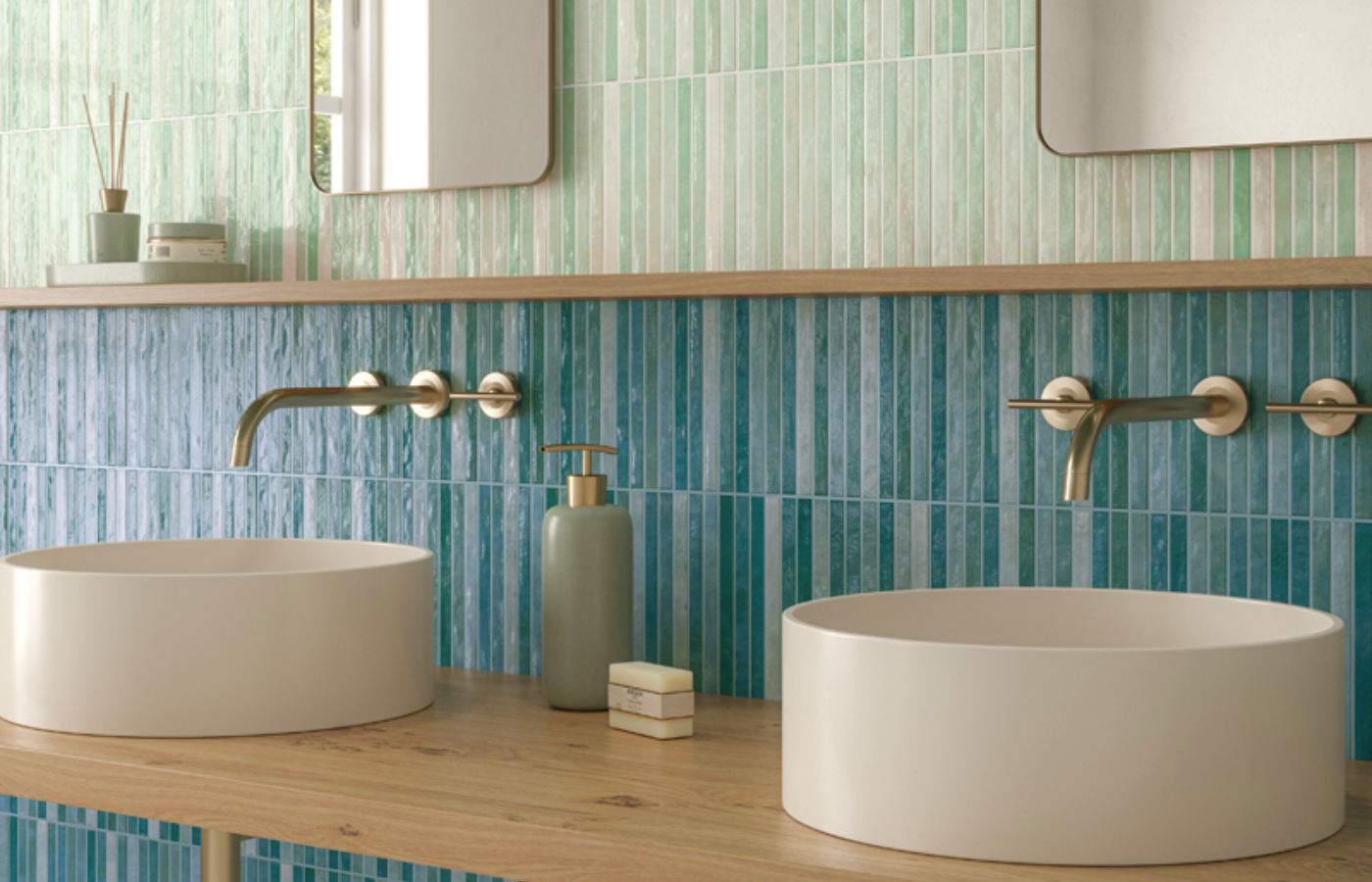
Ceramic tile shines in vibrant glazes and decorative statement pieces. It is frequently chosen for artistic backsplashes and feature walls where color and detail take center stage.
Whether you envision a spa inspired primary bath or a dramatic kitchen backsplash, both materials can support high end design when selected thoughtfully.
Budget is always part of the conversation.
Ceramic tile typically comes with a lower upfront price point. For smaller spaces or wall installations, it can provide excellent value.
Porcelain tile may require a higher initial investment. However, its increased durability and lower maintenance demands often translate into long term savings in high traffic environments.
When deciding between porcelain or ceramic tile, it helps to ask:
Balancing these factors ensures that you are investing wisely.
Both porcelain and ceramic tile are low maintenance compared to natural stone surfaces.
Porcelain’s density makes it highly stain resistant. Spills are less likely to penetrate, making it an excellent option for busy kitchens and family spaces.
Glazed ceramic tile is also easy to clean with routine sweeping and mopping. The key to long term performance for either material often comes down to proper installation and grout selection.
At Design Surfaces, we guide clients through grout color choices, layout planning, and finish selection to ensure both beauty and practicality.
Online photos can only show so much. Texture, edge detail, thickness, and finish quality become much clearer when viewed in person.
Our Cleveland showroom allows you to compare porcelain and ceramic tile side by side. You can explore large format displays, evaluate slip resistance, and see how different lighting conditions affect appearance.
This hands-on experience helps transform uncertainty into clarity.
Choosing between porcelain or ceramic tile is not about finding a universally superior material. It is about selecting the right surface for your specific space, lifestyle, and design goals. Porcelain offers exceptional durability, moisture resistance, and strength for high traffic and demanding environments. Ceramic provides versatile beauty, vibrant design options, and reliable performance for lighter use areas.
At Design Surfaces, we combine premium materials with expert insight to help you make confident decisions that elevate your Cleveland home or project. Visit our showroom, explore our collections, or connect with our team to discover tile solutions that deliver lasting performance and inspired design.
For more inspiration, follow Design Surfaces on Facebook and Instagram to see new materials, showroom highlights, and Cleveland projects.
Call: 440.753.6952 • Contact: Submit a Request • Email: info@designsurfaces.com


