Contact info +
.png)
.png)
.png)
Showroom Hours:
Mon-Fri - 9AM-5PM | Sat - 10AM-2PM | Sun - Closed
Mon-Fri - 9AM-5PM | Sat - 10AM-2PM | Sun - Closed


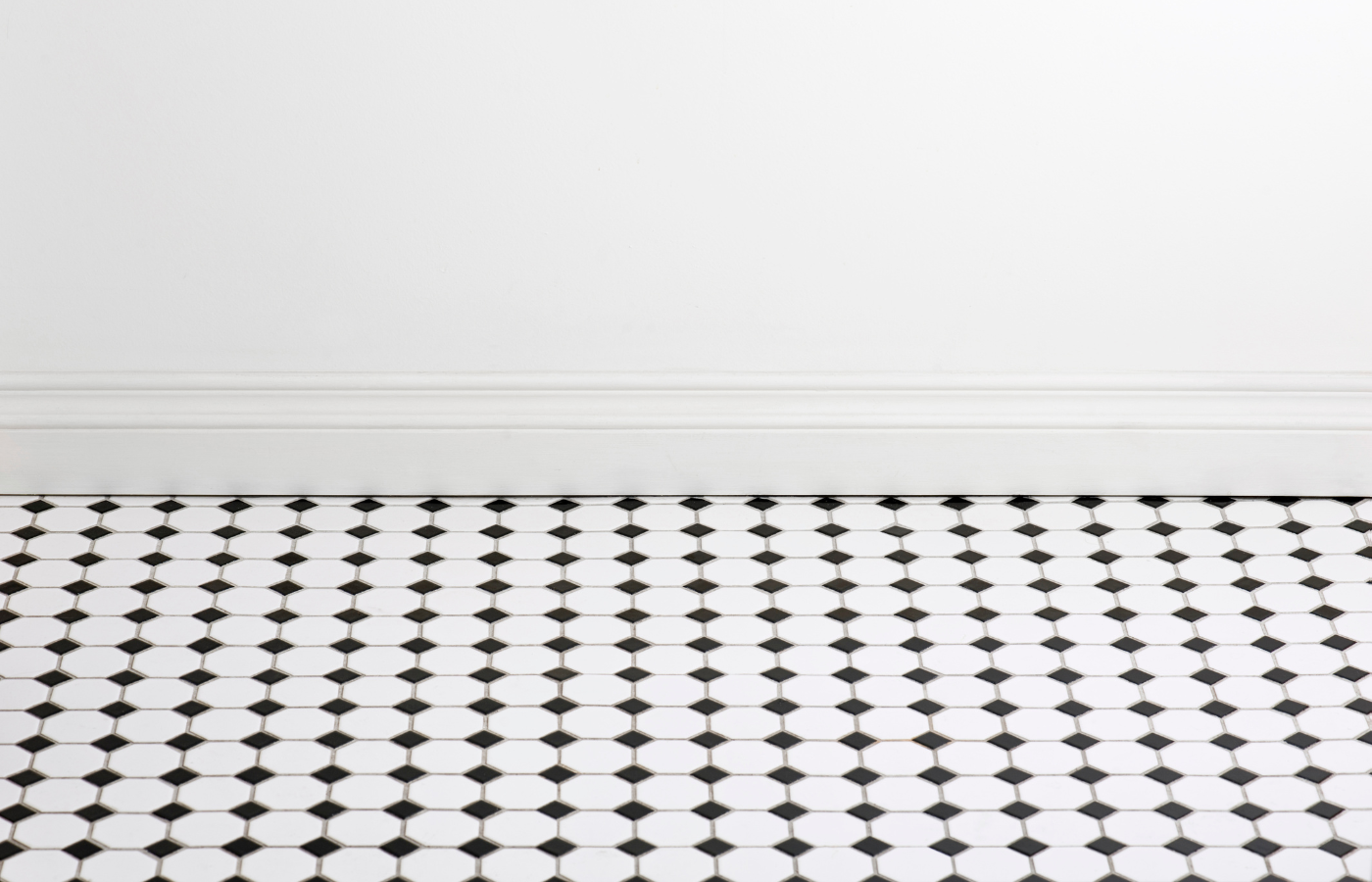
A beautiful bathroom can feel like a retreat until the first time someone steps onto a wet floor and hesitates. Slip resistance is not a “nice to have” detail. It is one of the most important performance features in a bathroom, especially in Cleveland homes where winter slush, daily humidity, and busy households are part of real life. At Design Surfaces, we help homeowners choose tile that looks elevated and performs safely. Here is what COF and DCOF ratings mean, how to use them, and how to pick the right bathroom tile with confidence.
Bathrooms combine smooth surfaces, water, soap, and bare feet. Add kids, aging-in-place planning, or a frequently used guest bath, and the risk goes up. Choosing bathroom tile based on appearance alone can lead to a floor that feels slick when wet.
Slip resistance matters most in:
Key insight: The best bathroom tile balances traction with easy cleaning and a high-end look.
You will often see tile slip resistance described using COF or DCOF. They are related, but not identical.
COF stands for Coefficient of Friction. It is a measurement of how much resistance a surface provides when something moves across it. Higher numbers generally indicate more traction.
COF may be listed as:
DCOF stands for Dynamic Coefficient of Friction. This focuses on traction while a person is in motion, which is usually more relevant for preventing slips in real bathrooms.
DCOF is often referenced for:
Key insight: When you are comparing bathroom floor tile, DCOF is usually the more practical rating to look for.
A common guideline used in the tile industry is that a DCOF of 0.42 or higher is suitable for level interior spaces expected to get wet, such as many bathroom floors. Still, tile selection should always consider the full context, including surface texture, slope, and cleaning practices.
When shopping, you may see:
In a Cleveland primary bath, many homeowners aim for higher traction on shower floors than on the main bathroom floor.
Not every tile surface needs the same level of traction. The best results come from choosing the right tile for each zone.
Shower floors benefit from smaller formats and more grout lines, which can increase traction. Many designers use mosaics or smaller porcelain tiles here.
Great options include:
For the main floor, you can use larger tile formats, but you still want a finish that performs when wet.
Look for:
Walls do not need the same slip resistance as floors, so you can choose based on style, maintenance, and moisture performance. This is where polished looks can shine.
Key insight: You can build a luxury bathroom using different tiles for different zones, rather than forcing one tile to do everything.
DCOF and COF are helpful, but they are not the whole story. Real-world performance depends on a mix of factors.
A matte tile can still be slippery if it is very smooth, while a lightly textured porcelain can provide better grip without looking rough.
More grout lines can create more traction. This is why shower mosaics are popular. Grout also matters, because it needs proper sealing and cleaning to stay fresh.
In showers, the slope to the drain matters as much as the tile. Even high-traction tiles can feel unsafe if water pools.
Soap buildup can reduce traction over time. A safe tile choice includes a practical cleaning plan.
Key insight: The safest bathroom floors come from a smart combination of tile selection, layout, and maintenance.
Use this checklist when comparing options at Design Surfaces.
Slip resistance is hard to judge online. Lighting, texture, and finish can look different on a screen than they do under real bathroom lights. At Design Surfaces, you can compare porcelain tile finishes, shower mosaics, and premium collections side by side with guidance from a team that understands both design and performance. Serving homeowners, designers, and contractors across Cleveland, Design Surfaces helps you select bathroom tile that feels safe underfoot and still delivers the high-end look you want.
If you are planning a bathroom remodel, visit the Design Surfaces showroom to explore slip-resistant porcelain tile options and get expert help choosing the right COF and DCOF-rated surfaces for your space. Contact our team to start designing a bathroom that looks elevated and works beautifully every day.
Call: 440.899.9900 • Contact: Submit a Request • Email: info@designsurfaces.com


