Contact info +
.png)
.png)
.png)
Showroom Hours:
Mon-Fri - 9AM-5PM | Sat - 10AM-2PM | Sun - Closed
Mon-Fri - 9AM-5PM | Sat - 10AM-2PM | Sun - Closed


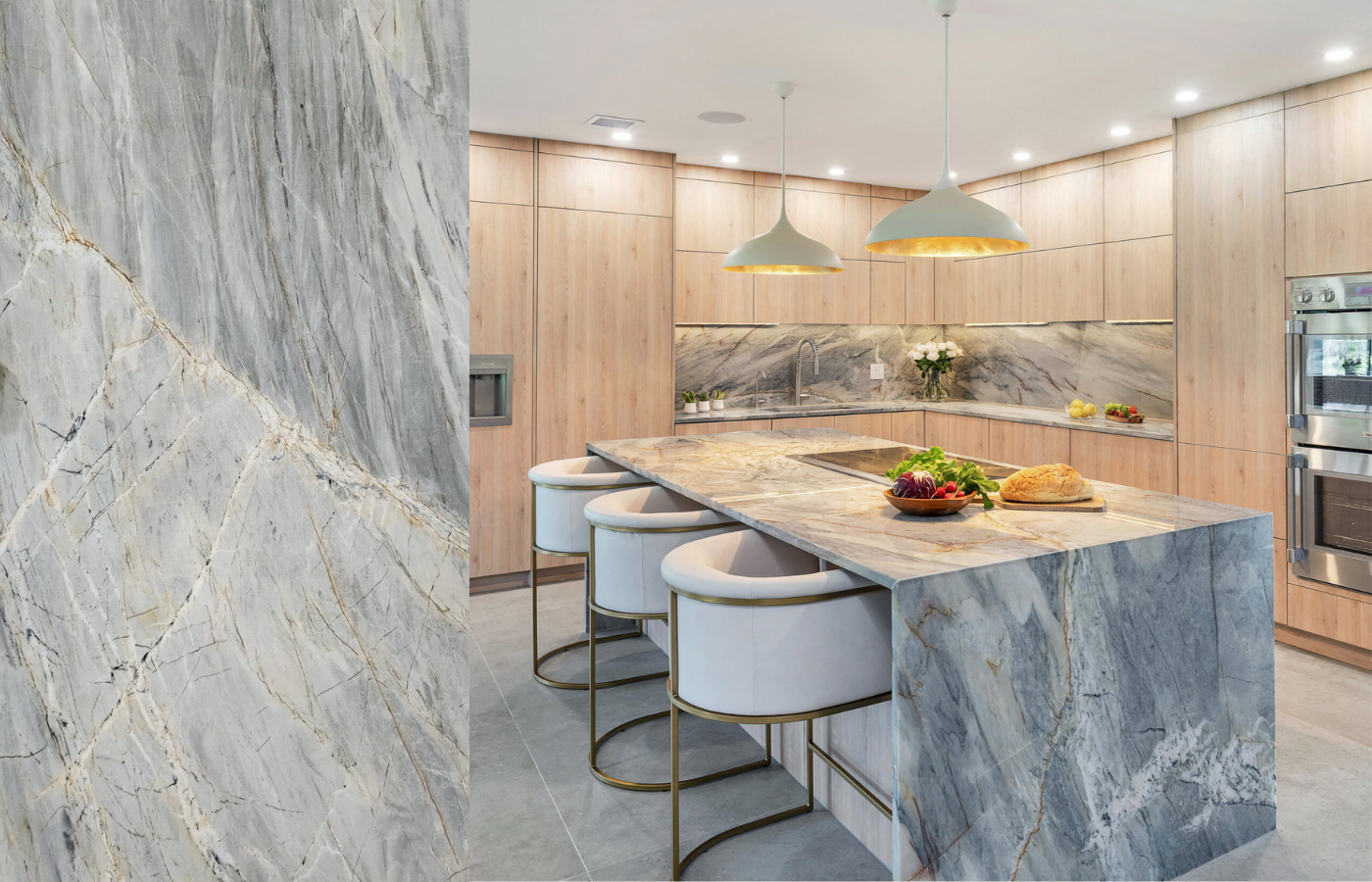
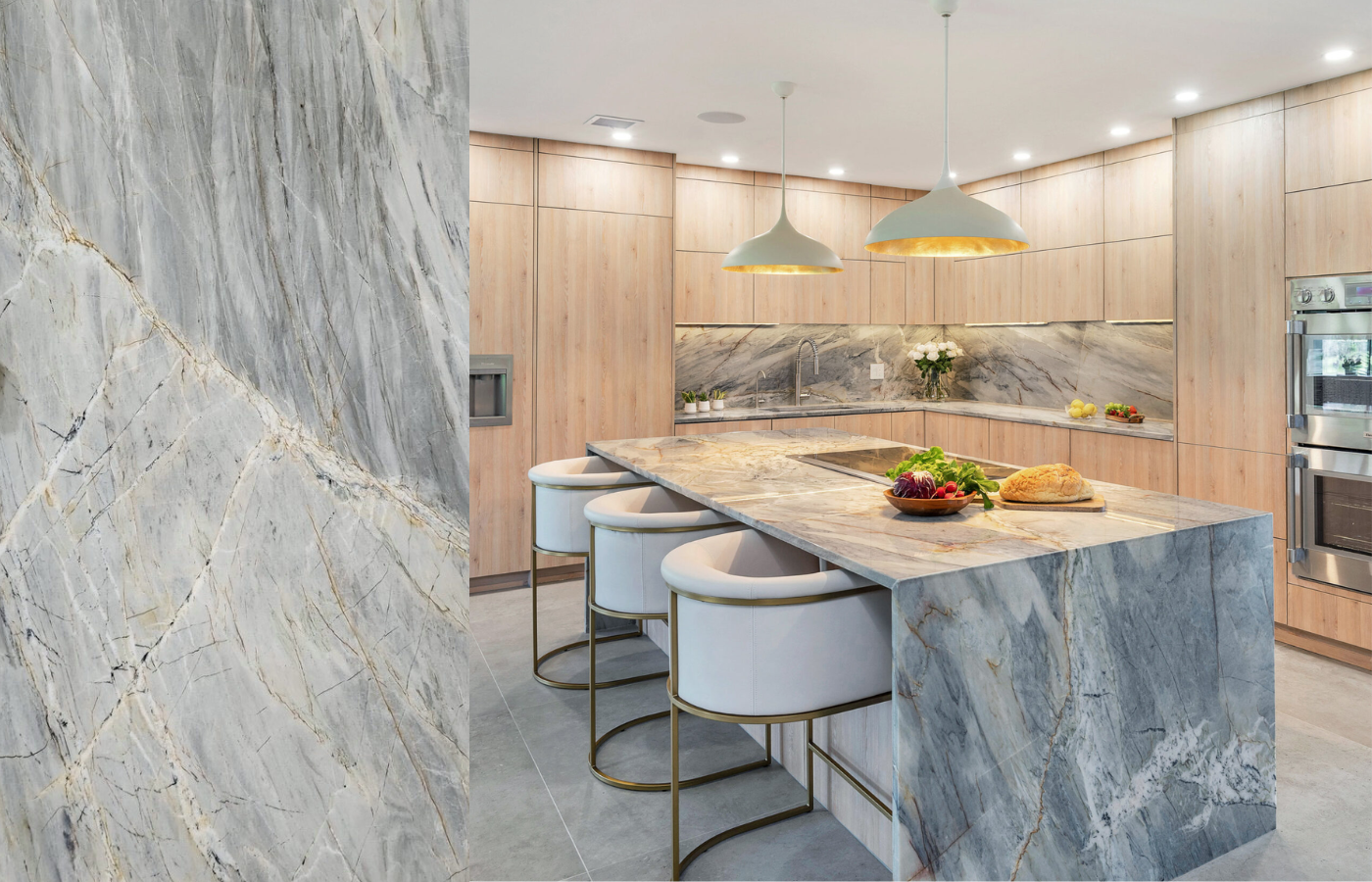
Selecting a countertop is one of the most exciting parts of planning a kitchen renovation. Yet many homeowners experience a moment of confusion after installation when the surface looks slightly different than the sample they originally chose. This situation is surprisingly common and often comes down to lighting, undertones, surrounding materials, and the difference between a small sample and a full slab. At Design Surfaces, we help Cleveland homeowners understand why countertop samples can appear different once installed and how to choose materials with confidence.
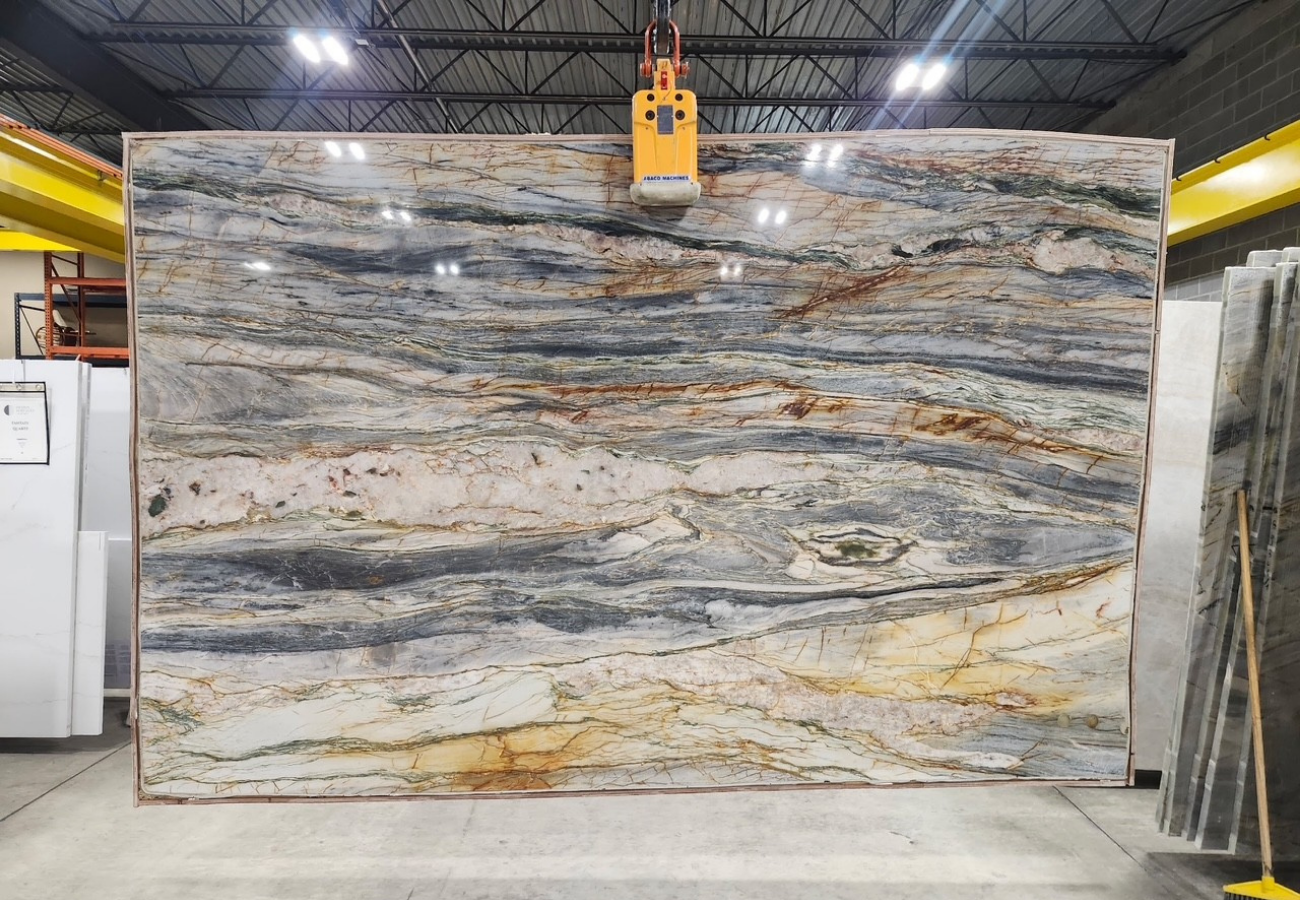
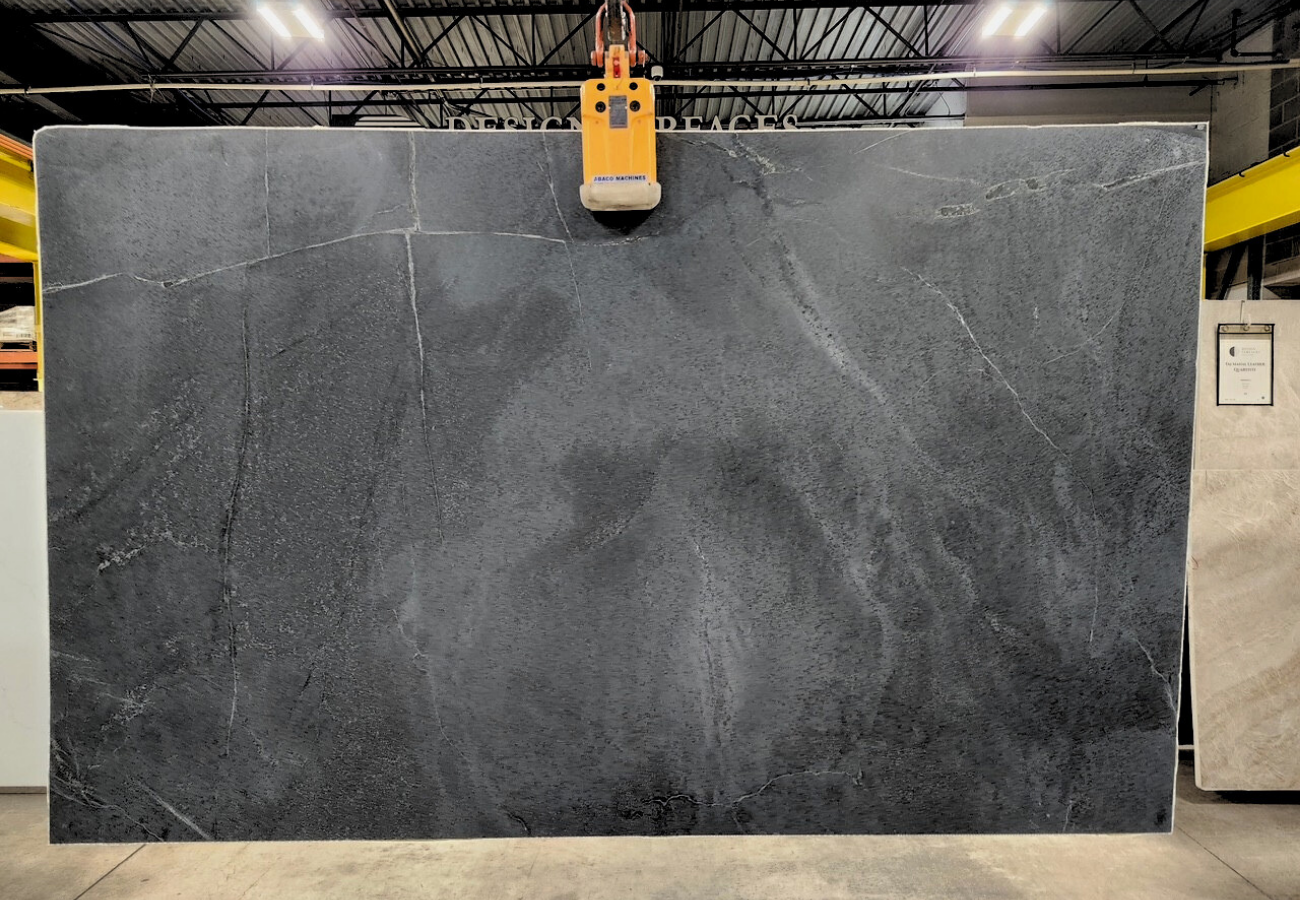
One of the biggest reasons a countertop sample looks different at home is simply scale. Small countertop samples only show a limited portion of the material, while a full slab reveals the complete color variation, veining, and movement.
Natural stone surfaces such as marble, granite, and quartzite can vary significantly across a slab. Even engineered materials like quartz may display subtle pattern shifts when viewed across a larger surface area.
When you view the full slab, you will notice:
This is why many designers encourage homeowners to see the full slab before making a final decision. A countertop that looks subtle in a sample may appear more dramatic once installed across an island or large perimeter counter.
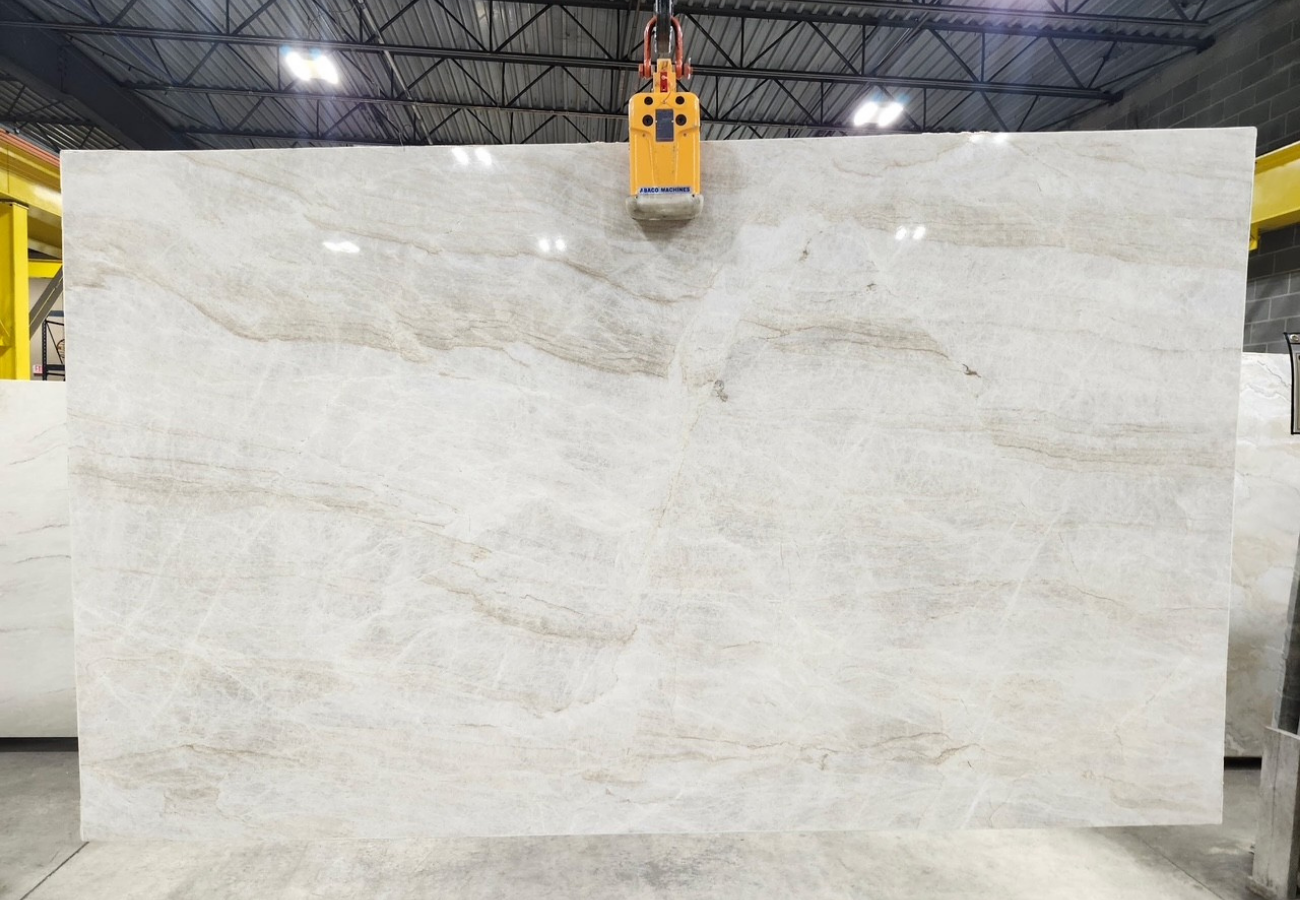
Lighting is another major factor that affects how countertops appear in a kitchen. The lighting in a showroom is very different from the lighting inside a home.
Showrooms typically use bright overhead lighting that is designed to highlight the beauty of stone surfaces. This lighting can make colors appear slightly brighter or more neutral.
In contrast, kitchens receive natural light that shifts throughout the day. Cleveland homes experience seasonal changes in daylight, which can influence how surfaces appear during morning, afternoon, and evening hours.
For example:
Because of these changes, a countertop sample viewed under showroom lights may look slightly different once installed in your home.
Undertones Become More Visible in Full Countertops
Undertones are subtle hues beneath the main color of a surface. These undertones often become more noticeable once the countertop is installed in a kitchen environment.
For instance, a white quartz sample might appear neutral in a small piece but reveal warm cream undertones or cool gray tones when installed across a large island.
Understanding undertones is important when choosing quartz countertops or natural stone surfaces. Undertones influence how the countertop interacts with cabinets, flooring, and backsplash tile.
Countertops often contain undertones such as:
Identifying these undertones early helps ensure your surfaces coordinate beautifully with the rest of the kitchen.
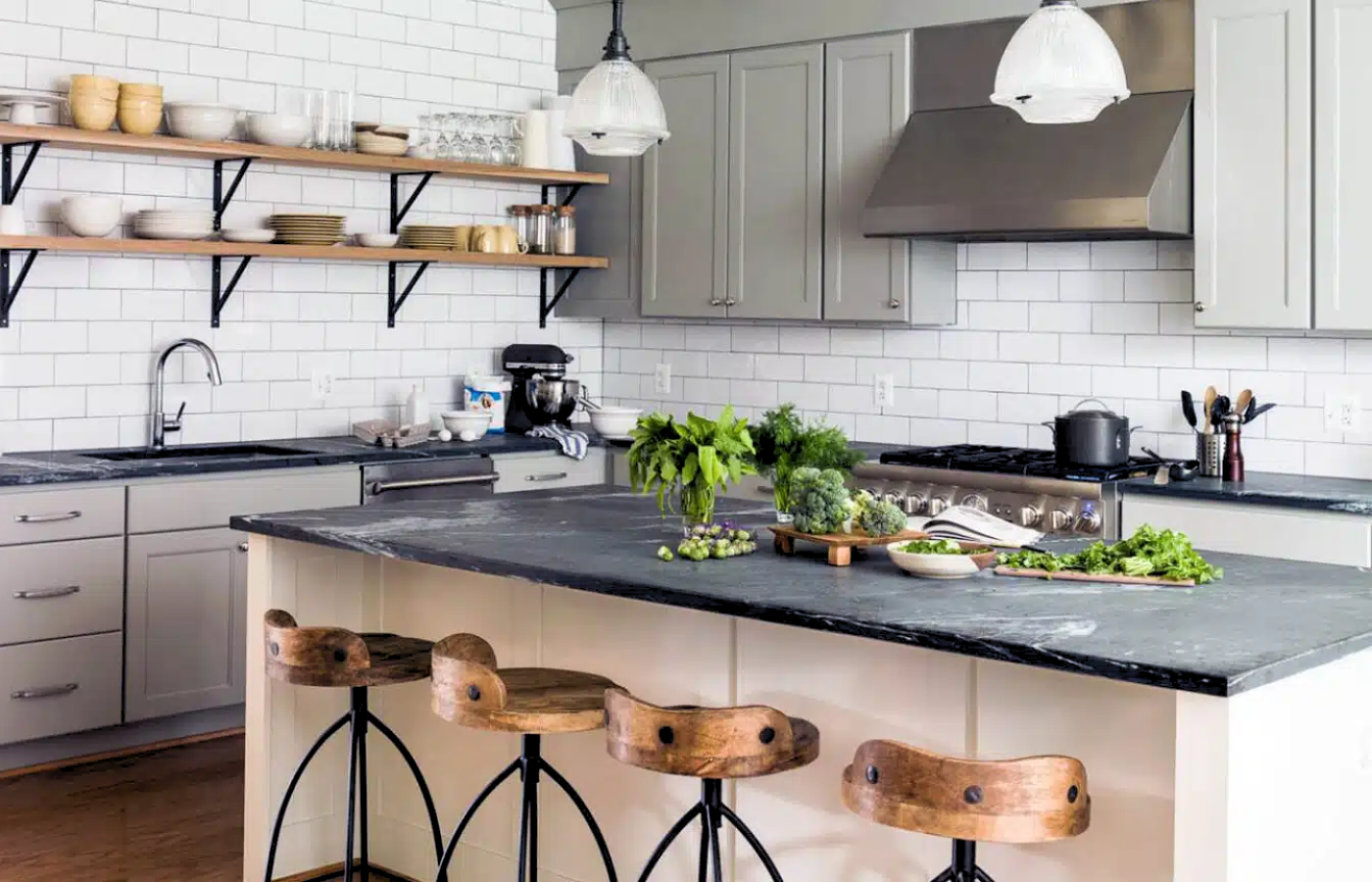
Cabinet color can dramatically influence how a countertop looks once installed. Because countertops sit directly next to cabinetry, the surrounding color changes how we perceive the stone.
White cabinets can make darker veining in quartz or marble stand out more clearly. Dark cabinets can highlight lighter tones in the countertop surface.
Warm wood cabinetry may bring out golden undertones in stone, while cool gray cabinets may emphasize cooler tones within the material.
This interaction is why professional designers evaluate countertops together with cabinet finishes instead of choosing them separately.
Seeing a full slab is one of the most helpful steps when selecting a countertop. A slab gives you the opportunity to evaluate the complete pattern, color variation, and undertones within the material.
At Design Surfaces, homeowners can view a wide range of premium materials including quartz, marble, granite, and porcelain surfaces.
Viewing slabs allows you to:
This process helps homeowners avoid surprises and feel confident about their final selection.
If you are selecting countertops for a Cleveland kitchen renovation, a few simple steps can make the decision easier.
Seeing countertop materials next to cabinet finishes or flooring samples helps reveal undertone compatibility.
If possible, view the slab under various lighting conditions to see how it reacts throughout the day.
Choosing countertops from a full slab rather than a small sample provides a much clearer understanding of the final result.
Design guidance can make a significant difference in achieving a cohesive kitchen design.
Design Surfaces works closely with homeowners, designers, and contractors to help select materials that complement cabinetry, flooring, and lighting.
We are proud to be serving homeowners, designers, and contractors across Cleveland who are looking for high quality countertops, tile, and stone surfaces.
It is completely normal for a countertop sample to look slightly different once installed in a kitchen. Factors such as lighting, slab size, undertones, and surrounding materials all influence how a surface appears in the final space.
By understanding these design elements and viewing full slabs whenever possible, homeowners can choose countertops with greater confidence. If you are planning a kitchen renovation in Cleveland, the team at Design Surfaces can help guide you through the selection process. Visit our showroom to explore premium quartz, natural stone, and tile surfaces and discover the perfect materials for your kitchen.
Call: 440.899.9900 • Contact: Submit a Request • Email: info@designsurfaces.com


