Contact info +
.png)
.png)
.png)
Showroom Hours:
Mon-Fri - 9AM-5PM | Sat - 10AM-2PM | Sun - Closed
Mon-Fri - 9AM-5PM | Sat - 10AM-2PM | Sun - Closed


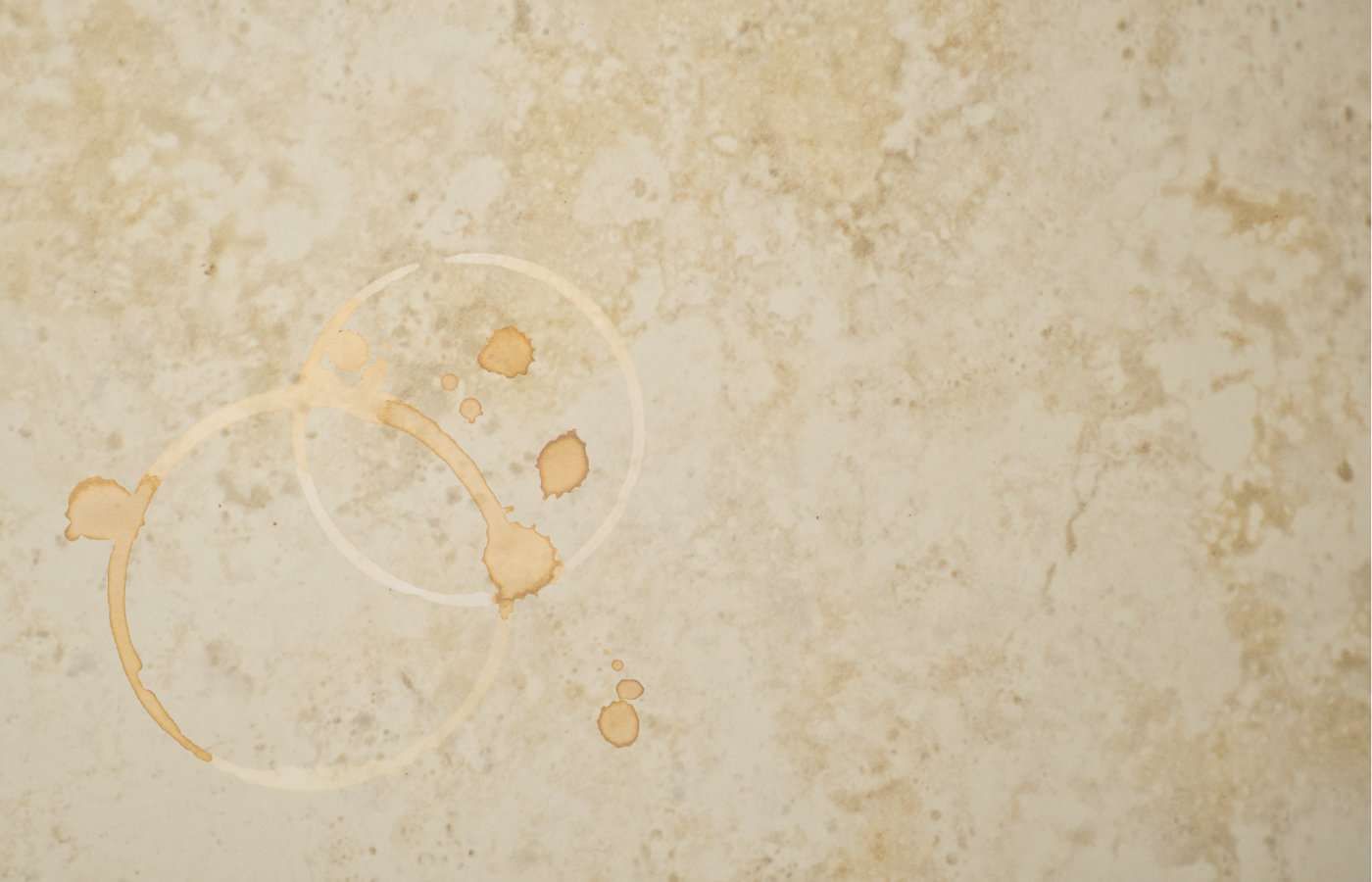
Water rings on stone countertops are not always caused by water alone. A white ring, dark spot, cloudy outline, or dull circle can come from mineral deposits, moisture absorption, residue, or etching, and each issue requires a different response.
At Design Surfaces in Westlake, Ohio, we recommend looking closely at the color, texture, sheen, and location of the mark before trying to remove it. Identifying what created the water ring matters because a treatment that works for surface buildup may not help a stain or altered finish and could make certain natural stones look worse.
Water rings on stone countertops can develop when minerals or residue remain on the surface, moisture temporarily darkens the stone, a substance penetrates the material, or an acidic liquid alters the finish.
Common possibilities include:
The appearance of the ring is often the best place to start.
A chalky white circle may indicate mineral buildup. A darker ring may suggest moisture or absorbed material. A dull ring that becomes obvious under angled light can point toward a change in the finish.
CHART
A white, cloudy, or chalky water ring can be caused by minerals left behind as water evaporates.
This is especially common around:
Hard water contains dissolved minerals that can remain on a countertop after the water itself disappears. Repeated exposure may gradually create a visible deposit.
Look closely at the ring. If it appears crusty, powdery, or as though something is sitting on top of the stone, mineral buildup may be more likely than damage to the stone itself.
The countertop material still matters. Do not automatically use an acidic descaler or household vinegar on natural stone because acid-sensitive materials can be damaged by those products.
A dark water ring may indicate that moisture or another substance has been absorbed into the stone rather than deposited on top of it.
Some natural stones are more porous than others, and absorption can vary by the specific slab, finish, sealing condition, and substance involved.
A dark mark that appears after a wet glass or container sits on the countertop may sometimes lighten as the moisture evaporates. A persistent dark ring, however, may involve oil, food residue, another liquid, or a true stain.
Before treating it, ask:
Those details can help separate temporary moisture from staining or finish damage.
A pale or dull ring on certain natural stones may be etching rather than a traditional water stain.
Etching occurs when an acidic substance reacts with minerals in an acid-sensitive stone and changes the surface finish. Marble and dolomite are particularly relevant examples.
The confusing part is that the mark may appear after a drink was placed on the countertop, making it look like water caused the problem.
The actual source could have been:
An etched ring often looks dull, pale, cloudy, or less reflective rather than simply darker.
If the mark becomes especially noticeable when light moves across the countertop, the sheen may have changed.
A water stain or absorbed mark primarily changes the color, while an etch mark changes the finish or sheen.
Understanding the difference between a countertop stain and etching is especially useful when a ring could be either absorbed discoloration or a change to the stone's finish.
That distinction can help you decide what you are actually looking at.
A white ring can also be mineral buildup or residue, so color alone should not be used as a diagnosis.
Stone around a sink experiences more moisture, soap, minerals, cleaning products, and wiping than most other countertop areas.
That makes the sink one of the most common places to notice water rings, cloudy marks, or dull areas.
Potential causes include:
Look at the pattern of the mark. Mineral deposits often concentrate around faucet bases and places where water repeatedly evaporates.
If the entire sink area looks hazier than the rest of the countertop, repeated product or mineral buildup may be contributing rather than one isolated spill.
Yes. Granite can develop water rings from mineral deposits, moisture, residue, staining, or other surface conditions.
Granite does not behave identically from slab to slab. Porosity, finish, mineral composition, sealing, and use can all affect how the surface responds to liquids.
A white ring on granite may be surface buildup, while a dark ring may involve absorbed moisture or another substance.
If the primary issue is that the granite looks dull rather than discolored, consider whether the polished finish, cleaning residue, or abrasion may be contributing.
Yes. Marble can show both mineral deposits and etch marks that resemble water rings.
This is an important distinction because marble contains minerals that can react with acids. A ring left by a drinking glass may have been caused by the beverage or residue beneath the glass rather than plain water.
If a marble ring is pale, dull, or less reflective, etching should be considered.
Cleaning usually will not restore a true etch mark because the surface finish itself has changed.
Quartzite can develop visible rings from mineral deposits, absorbed substances, residue, or other surface conditions.
Because quartzite is natural stone, characteristics can vary considerably from one slab to another. Some materials sold within the broader quartzite category may also have different maintenance considerations.
If a ring appears, identify whether it is sitting on top of the stone, changing the color, or changing the sheen before choosing a treatment.
Sealing can help certain natural stones resist liquid absorption, but it does not prevent every type of water ring.
A sealer may help reduce the rate at which some liquids penetrate a porous surface. It does not:
This is why applying more sealer is not automatically the answer when a water ring appears.
The specific stone and existing finish should be understood first.
Before treating the mark, look at four characteristics: color, sheen, texture, and location.
Ask:
A dark ring after prolonged moisture suggests a different issue than a chalky circle around a faucet or a dull ring beneath a glass containing citrus.
Avoid treating every water ring with the same DIY solution.
Until you know what caused the mark, be cautious with:
Acidic products are particularly important to avoid on acid-sensitive stones such as marble and dolomite unless specifically appropriate for the material.
Start with the least aggressive method suitable for your countertop and follow stone-specific care recommendations.
A few everyday habits can reduce the chance of rings developing:
Prevention depends on knowing what surface you have rather than treating all stone countertops the same way.
Water spots, staining, etching, and maintenance are worth considering before selecting a countertop, especially in kitchens, bathrooms, bars, and other frequently wet spaces.
When comparing materials, think about:
Seeing full slabs and samples in person can also help you understand how a finish, color, and pattern may show water spots or everyday marks.
At Design Surfaces, serving homeowners, designers, and contractors across Cleveland, we help clients compare natural stone and engineered surfaces with appearance, maintenance, and real-world use in mind.
Water rings on stone countertops can come from hard water minerals, moisture absorption, soap or cleaner residue, or another substance trapped beneath a wet glass or container. On marble, dolomite, and other acid-sensitive stones, a dull ring may actually be etching rather than a traditional water stain.
Not always. Hard water deposits, cleaner residue, and temporary moisture may improve with appropriate care. Persistent staining, etching, or damage to the surface finish may require a different treatment or professional stone restoration.
A white or cloudy water ring may be caused by hard water deposits, soap residue, cleaner buildup, or etching. Chalky or crusty material usually suggests surface buildup, while a dull area that reflects light differently may indicate a change to the finish.
A dark water ring may indicate that moisture or another substance has been absorbed into the stone. Some moisture marks may lighten as the surface dries, while persistent dark discoloration can suggest staining or deeper absorption.
Yes. Hard water can leave mineral deposits on granite, marble, quartzite, and other countertop materials as water evaporates. These deposits often appear white, cloudy, chalky, or dull, especially around sinks, faucets, and frequently wet areas.
Look at whether the mark changes the color or the sheen. A stain or absorbed mark usually changes the color of the stone, while etching changes the finish and may look dull, pale, cloudy, or less reflective under angled light.
Vinegar is not safe for every stone countertop. Its acidity can etch marble, dolomite, and other acid-sensitive natural stones. Identify the countertop material and the cause of the ring before using vinegar or another acidic cleaner.
Sealing may help some natural stones resist liquid absorption, but it does not prevent every type of water ring. Sealers do not stop hard water deposits, soap residue, surface buildup, or acid etching from developing.
The correct method depends on what caused the ring and which stone you have. Surface residue and mineral deposits may respond to appropriate material-safe cleaning, while absorbed stains, etching, or finish damage may require a different treatment.
Repeated moisture, hard water minerals, soap residue, and cleaner buildup can make water rings more common around sinks and faucets. Drying frequently wet areas and using cleaning products appropriate for the specific stone can help reduce recurring buildup.
Yes. A pale, dull, or cloudy ring on marble may be an etch mark, especially if the glass or container held an acidic drink such as citrus juice, wine, or soda. True etching changes the stone's finish and usually cannot be removed through normal cleaning.
A water ring on stone is a visible clue, but it does not tell you the cause by itself.
A chalky ring around a faucet, dark circle beneath a wet container, and dull mark left by an acidic drink can look related while involving completely different changes to the countertop.
Start by identifying the stone, the appearance of the ring, and what was in contact with the surface. That makes it easier to choose a safer response and avoid turning a minor mark into permanent finish damage.
If you are selecting a countertop for a kitchen, bathroom, bar, or another frequently used space, visit the Design Surfaces showroom in Westlake to compare full slabs, finishes, and materials in person.
Call: 440.899.9900
Email: info@designsurfacesdist.com
Contact: Submit a Request


