Contact info +
.png)
.png)
.png)
Showroom Hours:
Mon-Fri - 9AM-5PM | Sat - 10AM-2PM | Sun - Closed
Mon-Fri - 9AM-5PM | Sat - 10AM-2PM | Sun - Closed


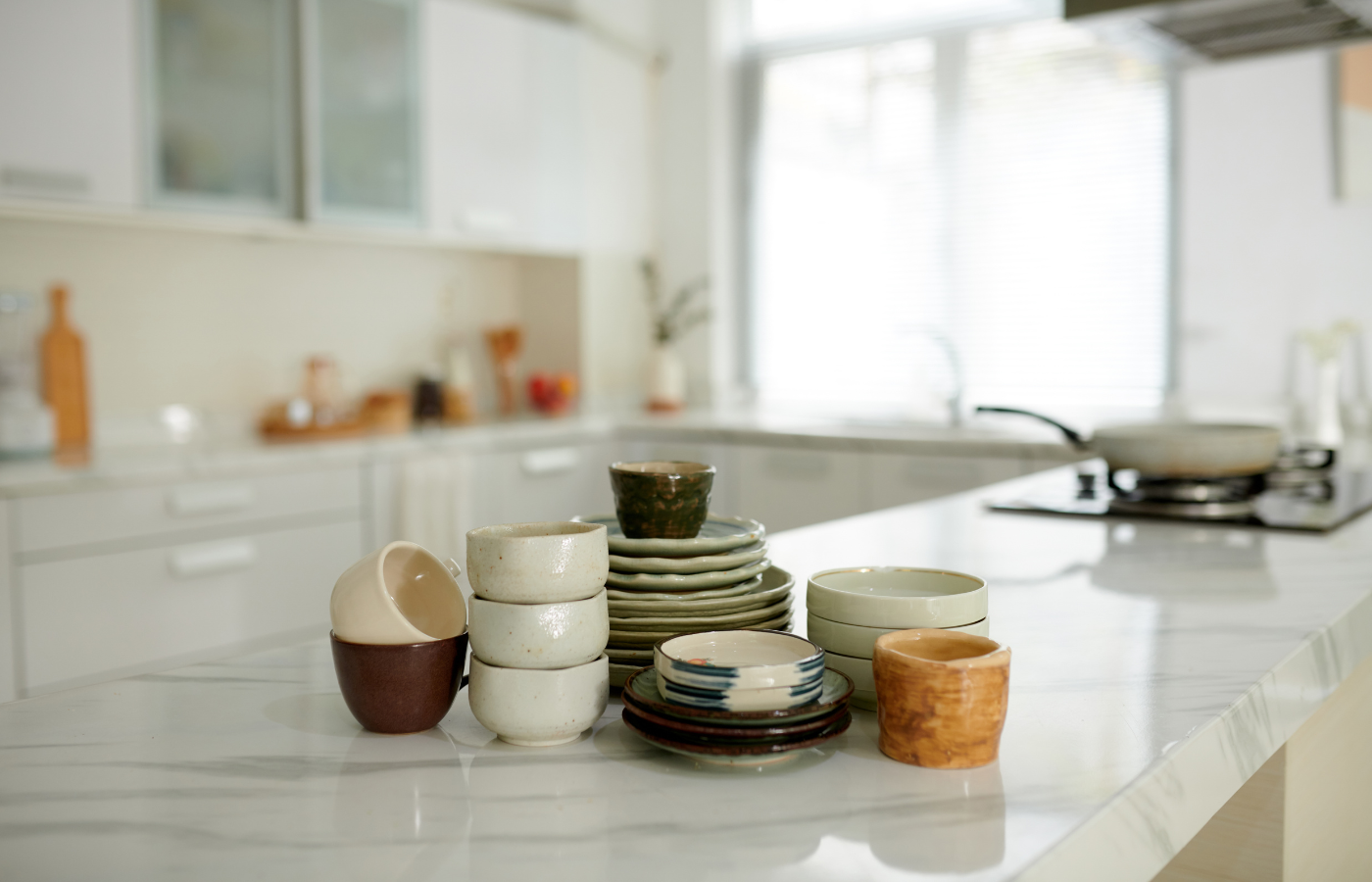
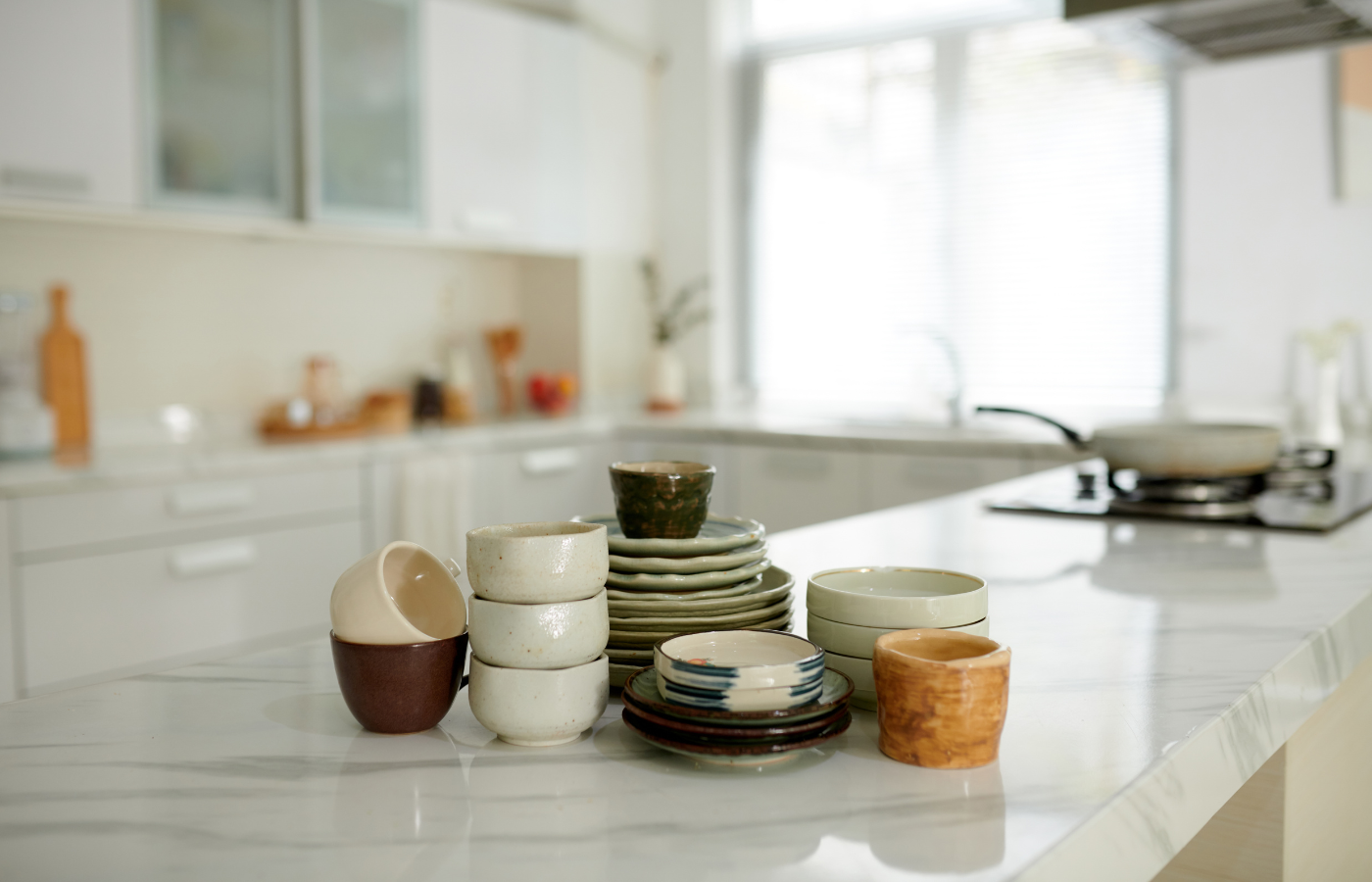
A knife slides across the surface. A heavy pan is set down without a second thought. Over time, these small moments reveal whether a countertop was chosen for appearance or for real life. Many Cleveland homeowners invest in a beautiful kitchen, only to notice fine scratches dulling the finish sooner than expected. At Design Surfaces, we guide clients toward materials that maintain their integrity without sacrificing design. Choosing scratch resistant countertops is not about finding something indestructible. It is about selecting surfaces that continue to look refined through everyday use.
Scratches rarely happen all at once. They develop gradually through daily habits like food prep, cleaning, and general movement across the surface.
In active kitchens, countertops are exposed to:
Over time, these factors can affect both the appearance and feel of a surface. A countertop that resists scratching maintains its finish longer and preserves the overall design of the space.
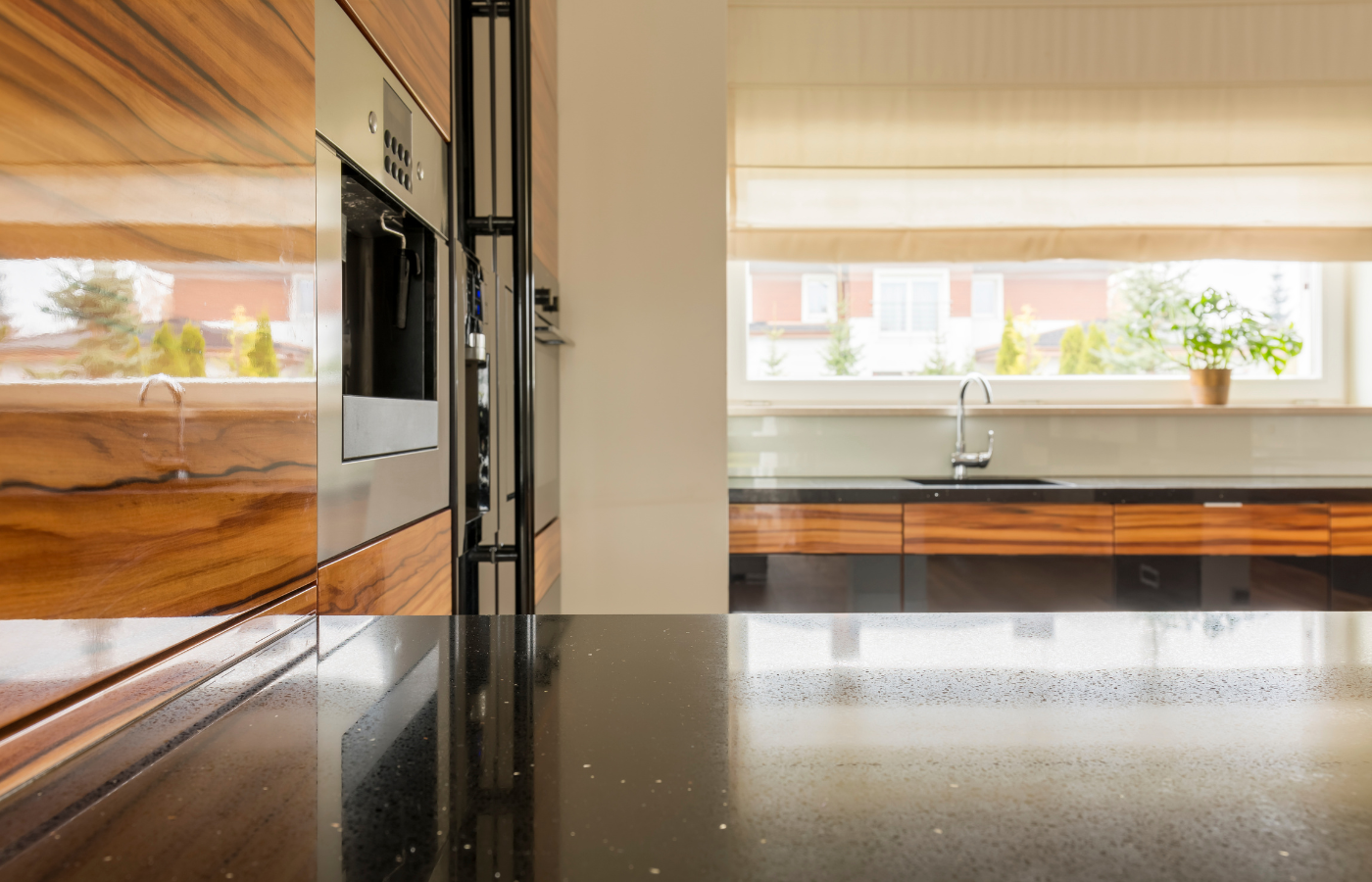
Scratch resistance is influenced by density, composition, and surface finish. Harder materials tend to resist scratching more effectively, while softer surfaces may show wear sooner.
It is also important to understand that no surface is completely scratch proof. The goal is to choose materials that minimize visible wear and maintain a consistent appearance over time.
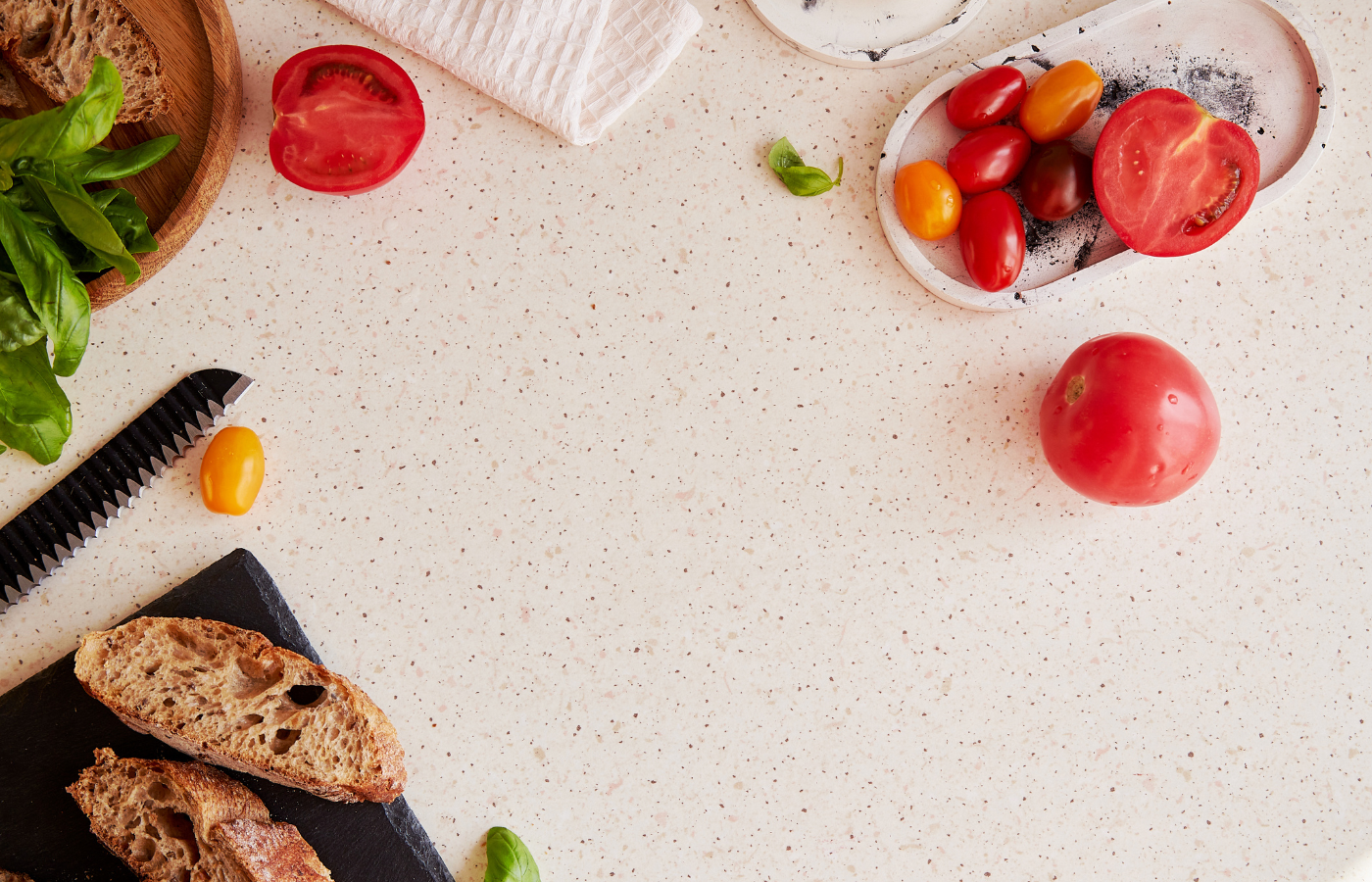
Quartz is one of the most popular choices for scratch resistant countertops because of its engineered composition.
It offers:
Quartz works especially well for homeowners who want a polished look that holds up under regular use without constant upkeep.
Granite is known for its durability and natural hardness. It performs well in kitchens where surfaces are used frequently.
Key advantages include:
Granite is often selected for kitchens that need both resilience and a timeless, organic aesthetic.
Quartzite offers a combination of strength and refined appearance. It is harder than many other natural stones and provides excellent resistance to wear.
It delivers:
For homeowners seeking both performance and elevated design, quartzite is a compelling option.
Porcelain surfaces are engineered to withstand demanding conditions, making them a strong contender for scratch resistant countertops.
Benefits include:
Porcelain is particularly appealing for contemporary kitchens where durability and simplicity are equally important.
Marble is valued for its beauty, but it is softer than other stone options. This makes it more susceptible to scratches over time.
For homeowners who choose marble, understanding how it will age is essential. Some embrace the natural patina, while others prefer surfaces that maintain a more consistent appearance.
Highly polished surfaces can make scratches more visible due to the way they reflect light. Even minor imperfections may stand out more than they would on a matte or textured finish.
Selecting a finish with subtle texture can help reduce this effect while maintaining a refined look.
Material selection is only part of the equation. The way a surface is designed and finished can influence how scratches appear over time.
Surfaces with natural variation or veining tend to conceal minor scratches better than flat, solid colors.
Less reflective finishes can soften the appearance of wear and make everyday use less noticeable.
Areas near sinks, prep spaces, and cooktops experience more contact. Selecting more durable materials in these zones can improve long-term results.
Even the most durable countertops benefit from simple habits that preserve their appearance.
Using cutting boards, avoiding abrasive cleaners, and wiping surfaces regularly can reduce unnecessary wear. These small adjustments help maintain the finish without changing how the kitchen is used.
The goal is not to limit functionality, but to support it with thoughtful care.
A countertop that resists scratching does more than look good today. It contributes to the long-term value of the kitchen.
High-performing surfaces:
Homeowners who invest in durable materials often find that their kitchens continue to feel new and well-maintained years after installation.
At Design Surfaces, we help clients align their material choices with both design goals and daily use, serving homeowners, designers, and contractors across Cleveland.
Scratch resistance is not something that can be fully evaluated from a small sample. Texture, finish, and pattern all influence how a surface performs.
Viewing full slabs allows you to:
This step ensures that the material you choose will perform as expected in your space.
The best kitchens are designed to be lived in. They support daily routines without showing excessive wear or requiring constant maintenance.
Scratch resistant countertops play a central role in that experience. When chosen thoughtfully, they provide a balance of durability and design that allows the space to function naturally.
Instead of worrying about every mark, homeowners can focus on how they use the kitchen and how it fits into their lifestyle.
A well-designed kitchen should not feel fragile. It should feel confident, capable, and built to last. By selecting materials that resist scratching while maintaining a refined appearance, homeowners can create spaces that remain both functional and visually appealing.
Design Surfaces offers a curated selection of premium materials and expert guidance to help bring that vision to life. Exploring options in person allows you to move beyond assumptions and choose a surface that truly supports your home.
Scratch resistant countertops are not about perfection. They are about performance. By understanding how different materials respond to daily use, homeowners can make informed decisions that protect both their investment and their design vision.
Design Surfaces provides the expertise and material selection needed to create kitchens that hold up beautifully over time. Visiting the showroom is the best way to explore surfaces and find the right fit for your space.
Call: 440.899.9900 • Contact: Submit a Request • Email: info@designsurfaces.com


