Contact info +
.png)
.png)
.png)
Showroom Hours:
Mon-Fri - 9AM-5PM | Sat - 10AM-2PM | Sun - Closed
Mon-Fri - 9AM-5PM | Sat - 10AM-2PM | Sun - Closed


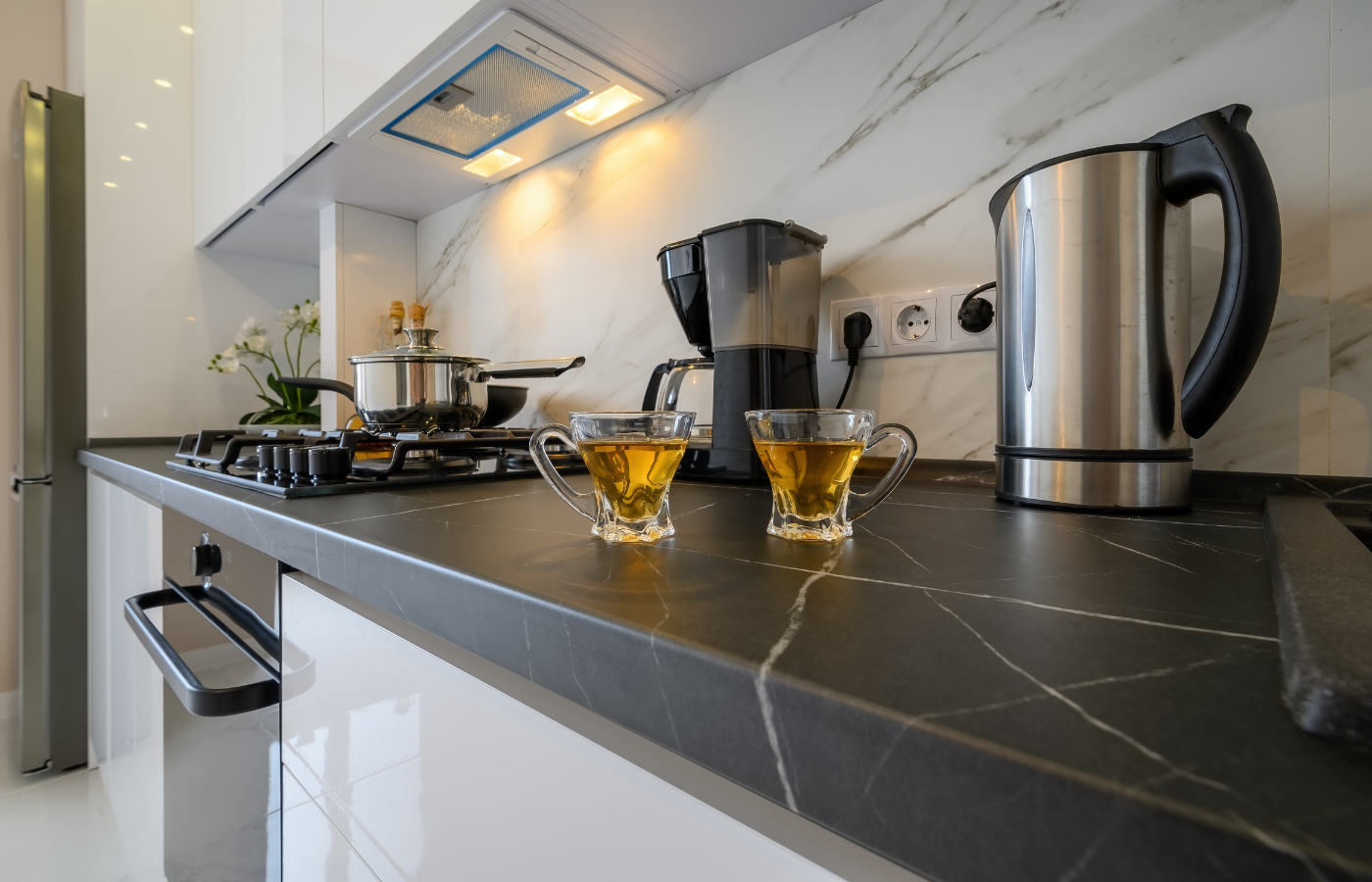
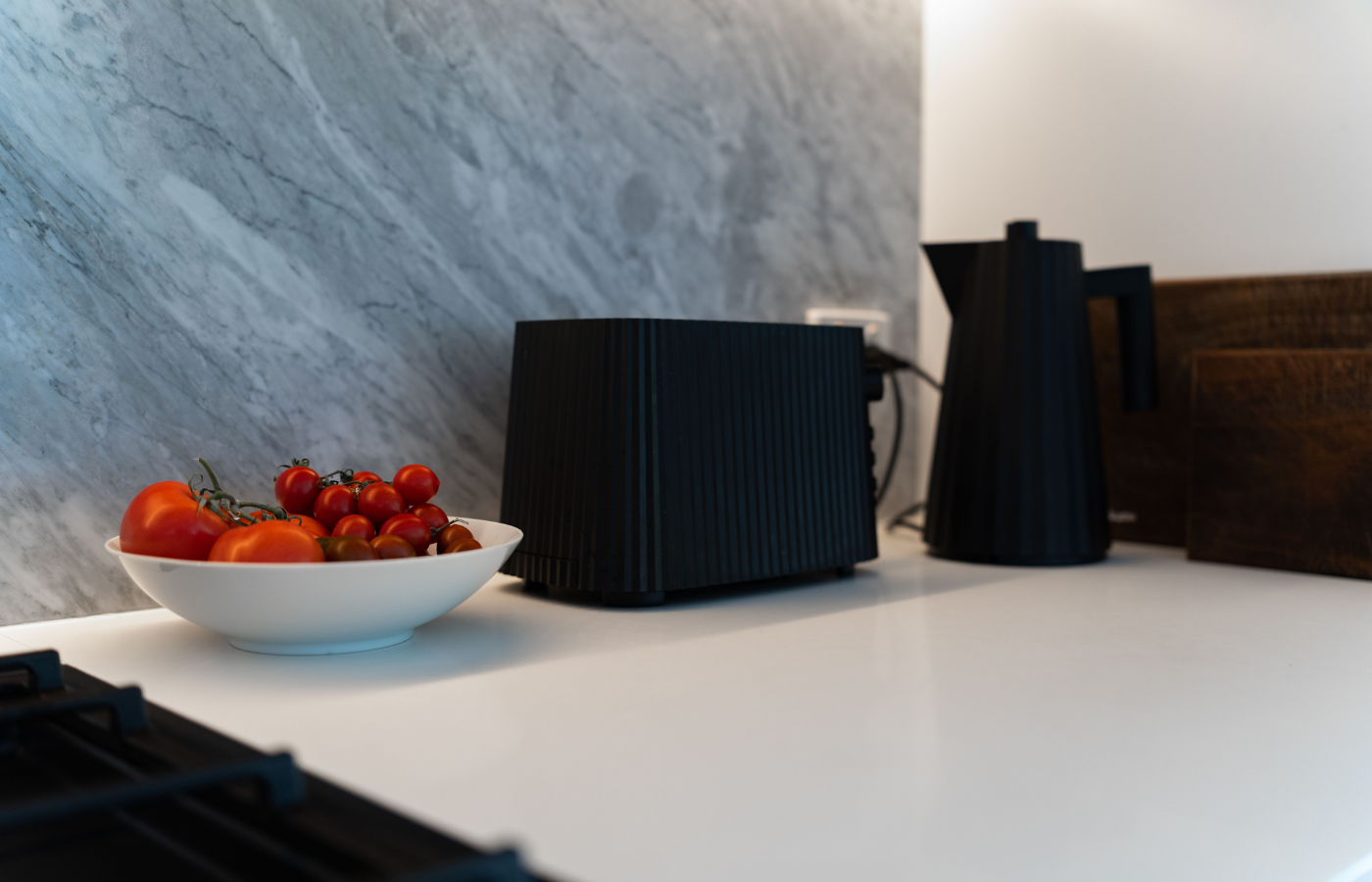
A pot is lifted straight from the stove and set down without a second thought. For many kitchens, this moment happens daily. It is also where questions about durability begin. At Design Surfaces, we often work with Cleveland homeowners who want a surface that looks refined while handling real-life use. Understanding quartz heat resistance temperature limits explained is essential when selecting a material that balances performance with long-term design integrity. The right countertop should not only elevate the space visually, but also support how the kitchen is actually used.
Quartz is known for its durability, consistency, and low maintenance. Unlike natural stone, it is engineered using a combination of crushed quartz and resins. This composition creates a surface that performs well in most daily conditions, but it also introduces specific limits when it comes to heat.
In general, quartz can tolerate moderate heat exposure. However, it is not designed for direct, sustained contact with high temperatures.
For most manufacturers, quartz heat resistance typically falls within:
Understanding these quartz heat resistance temperature limits explained helps homeowners avoid unexpected surface issues over time.
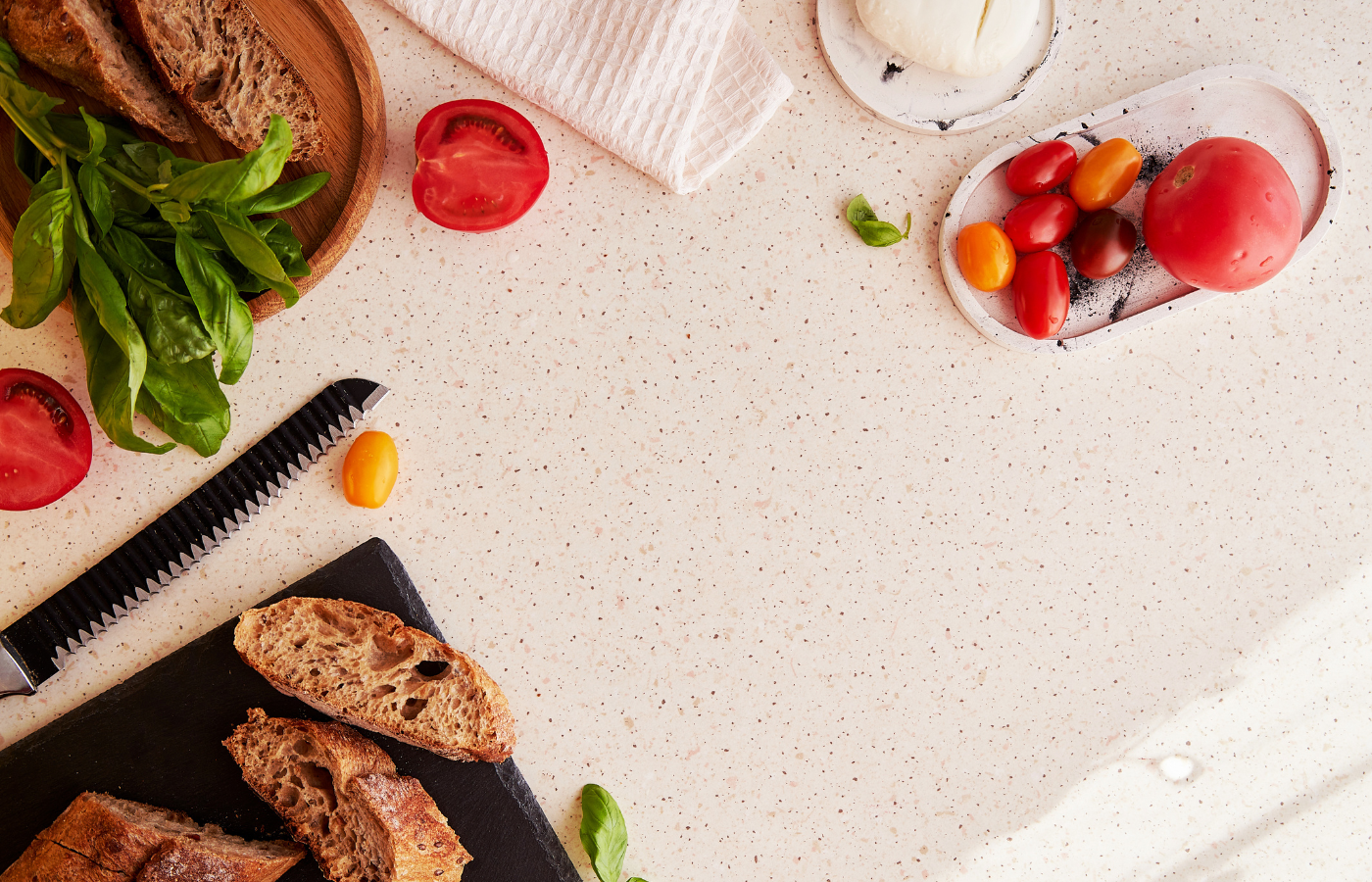
The difference comes down to composition. Natural stones like granite and quartzite are formed under extreme heat and pressure, which makes them inherently more resistant to high temperatures.
Quartz, while still durable, includes binding resins that can react to heat. When exposed to excessive temperatures, these resins may:
This does not make quartz a poor choice. It simply means that its performance is best supported with thoughtful use.
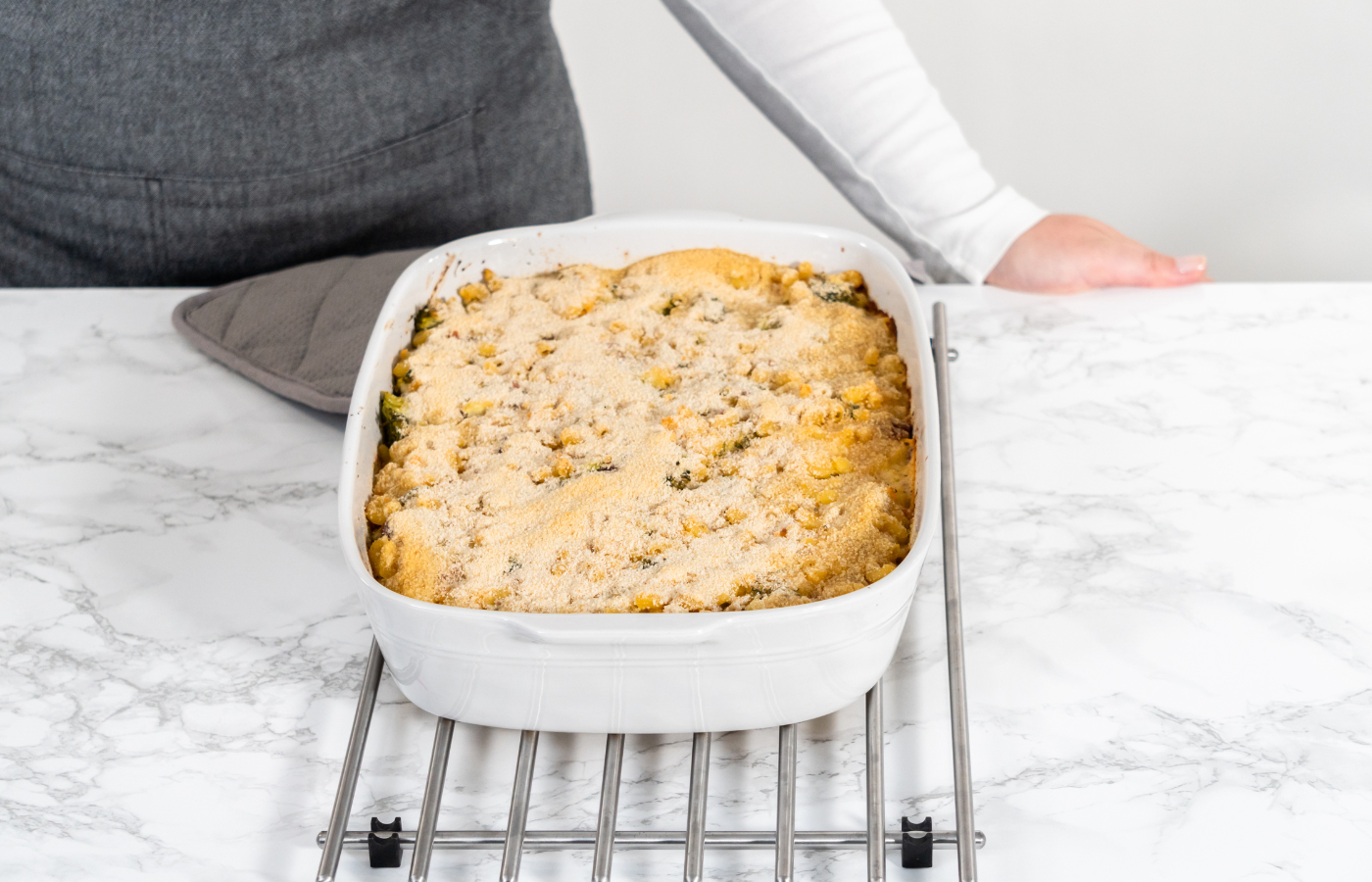
For most homeowners, the question is not about laboratory limits. It is about how the surface performs in real life.
Common kitchen situations include:
Quartz handles these everyday moments well. The concern arises when extremely hot items, such as pots directly from a burner or oven, are placed on the surface without protection.
Understanding quartz heat resistance temperature limits explained ensures that these scenarios are managed in a way that preserves the countertop.
Maintaining a refined kitchen does not require constant caution. Small, intentional habits can make a significant difference.
Consider incorporating:
These solutions allow homeowners to maintain both functionality and visual consistency.
While quartz performs well in most conditions, it is helpful to understand how it compares to other surfaces.
These natural stones offer higher heat resistance and can handle direct contact with hot cookware more effectively.
Engineered for durability, these materials often provide strong resistance to both heat and scratching, making them suitable for high-performance kitchens.
Marble tolerates moderate heat but can be more sensitive to surface changes, depending on use.
This comparison helps homeowners evaluate quartz heat resistance temperature limits explained within the broader context of material selection.
Heat resistance is not only about material choice. It also relates to how the kitchen is designed and used.
Positioning prep areas near cooking zones can reduce the likelihood of placing hot items directly on the surface.
Polished finishes may show subtle heat effects more readily, while softer finishes can diffuse visual impact.
Lighter quartz surfaces may make discoloration more noticeable over time, while mid-tone patterns can help minimize visual changes.
These details contribute to how well the countertop maintains its appearance.
Quartz remains a leading choice for homeowners who want a clean, consistent look. Its versatility allows it to complement a wide range of cabinet styles, flooring materials, and lighting conditions.
When considering quartz heat resistance temperature limits explained, it is important to weigh performance alongside design priorities.
For many kitchens, quartz offers:
With proper care, it continues to perform while maintaining its visual clarity.
A countertop is not just a design feature. It is one of the most frequently used surfaces in the home.
Choosing quartz means investing in:
Understanding how to manage heat exposure ensures that this investment remains protected.
At Design Surfaces, we help guide these decisions with a focus on both aesthetics and functionality, serving homeowners, designers, and contractors across Cleveland who expect lasting results.
Heat resistance is best understood when viewed alongside other characteristics such as texture, color, and overall design.
Visiting a showroom allows homeowners to:
This experience often clarifies which material feels right for the space.
Quartz is ideal for homeowners who prioritize:
It performs exceptionally well in kitchens where daily use is balanced with thoughtful habits.
Understanding quartz heat resistance temperature limits explained ensures that expectations align with performance, allowing the material to deliver long-term satisfaction.
Choosing a countertop involves more than selecting a color or pattern. It requires understanding how the material will respond to real-world use.
Quartz offers a strong balance of durability and design flexibility. By respecting its heat limitations, homeowners can maintain both its appearance and performance.
The most successful kitchens are those that support daily life while maintaining a refined aesthetic. Quartz plays a key role in achieving this balance when used with intention.
By understanding quartz heat resistance temperature limits explained, homeowners can approach their selection with clarity and confidence. The result is a surface that continues to perform while enhancing the overall design.
A well-designed kitchen is defined by choices that consider both beauty and performance. Quartz offers a versatile solution when its characteristics are fully understood.
At Design Surfaces, we guide homeowners through these decisions with a focus on long-term value and thoughtful design. The result is a space that feels cohesive, functional, and enduring.
Call: 440.899.9900 • Contact: Submit a Request • Email: info@designsurfaces.com


