Contact info +
.png)
.png)
.png)
Showroom Hours:
Mon-Fri - 9AM-5PM | Sat - 10AM-2PM | Sun - Closed
Mon-Fri - 9AM-5PM | Sat - 10AM-2PM | Sun - Closed


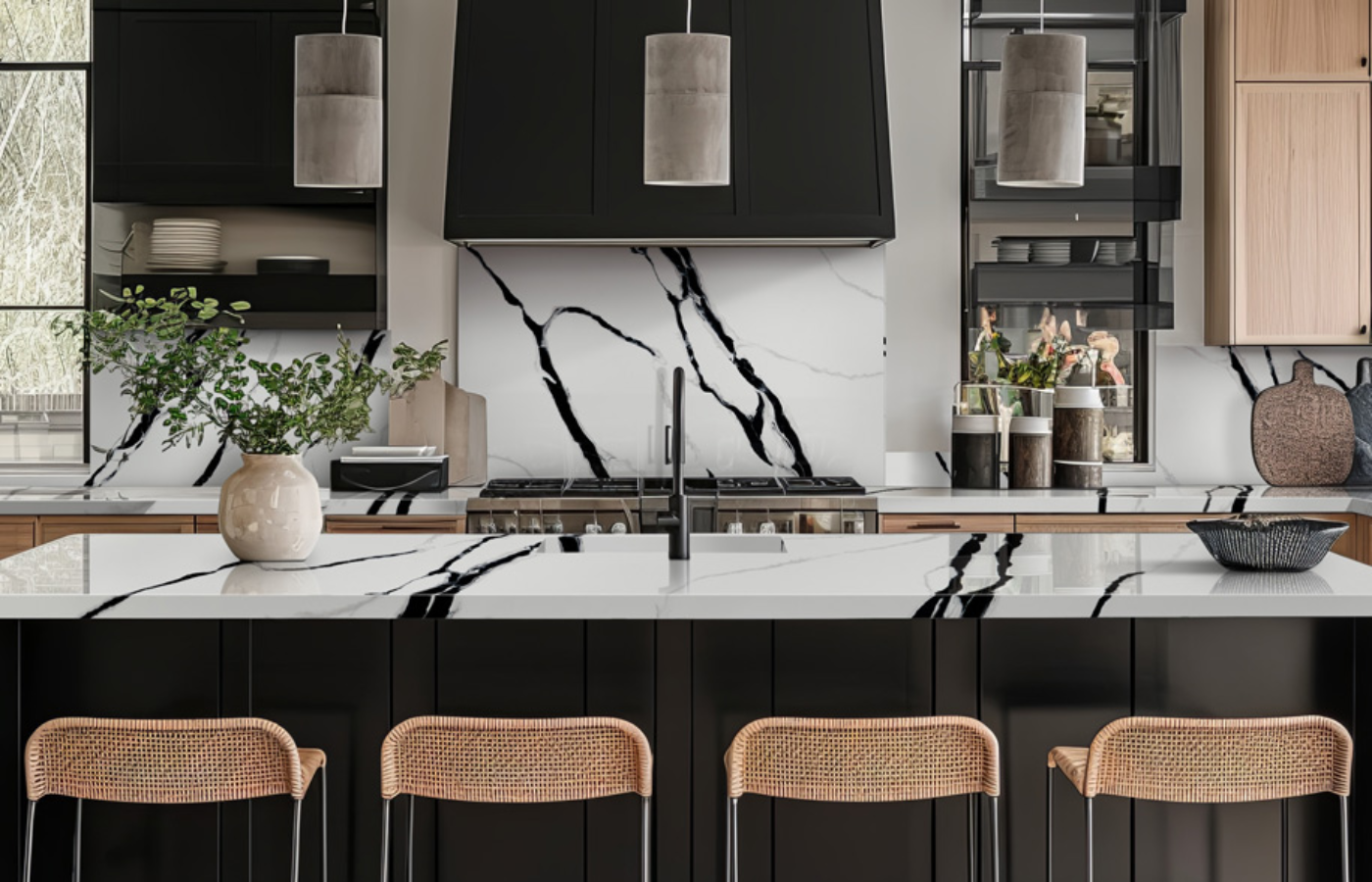
Quartz countertops are among the most popular choices for modern kitchens and bathrooms, but with that popularity comes a wave of mixed information. Many Cleveland homeowners hear conflicting advice about quartz: whether it stains, needs sealing, handles heat, or compares to natural stone. Cutting through the noise is essential before investing in new surfaces. At Design Surfaces in Westlake, serving homeowners, designers, and contractors across Cleveland, we help clients understand how quartz truly performs so they can choose the best surface with confidence. This guide separates fact from fiction and explains what quartz can offer your home.
Quartz countertops are engineered surfaces made from natural quartz crystals combined with binding resins and pigments. This creates a surface that looks similar to marble or granite but delivers more predictable performance.
Key advantages include:
Because quartz is engineered, it avoids some of the vulnerabilities found in natural stone, which is why many Cleveland homeowners choose it for long lasting, low maintenance use.
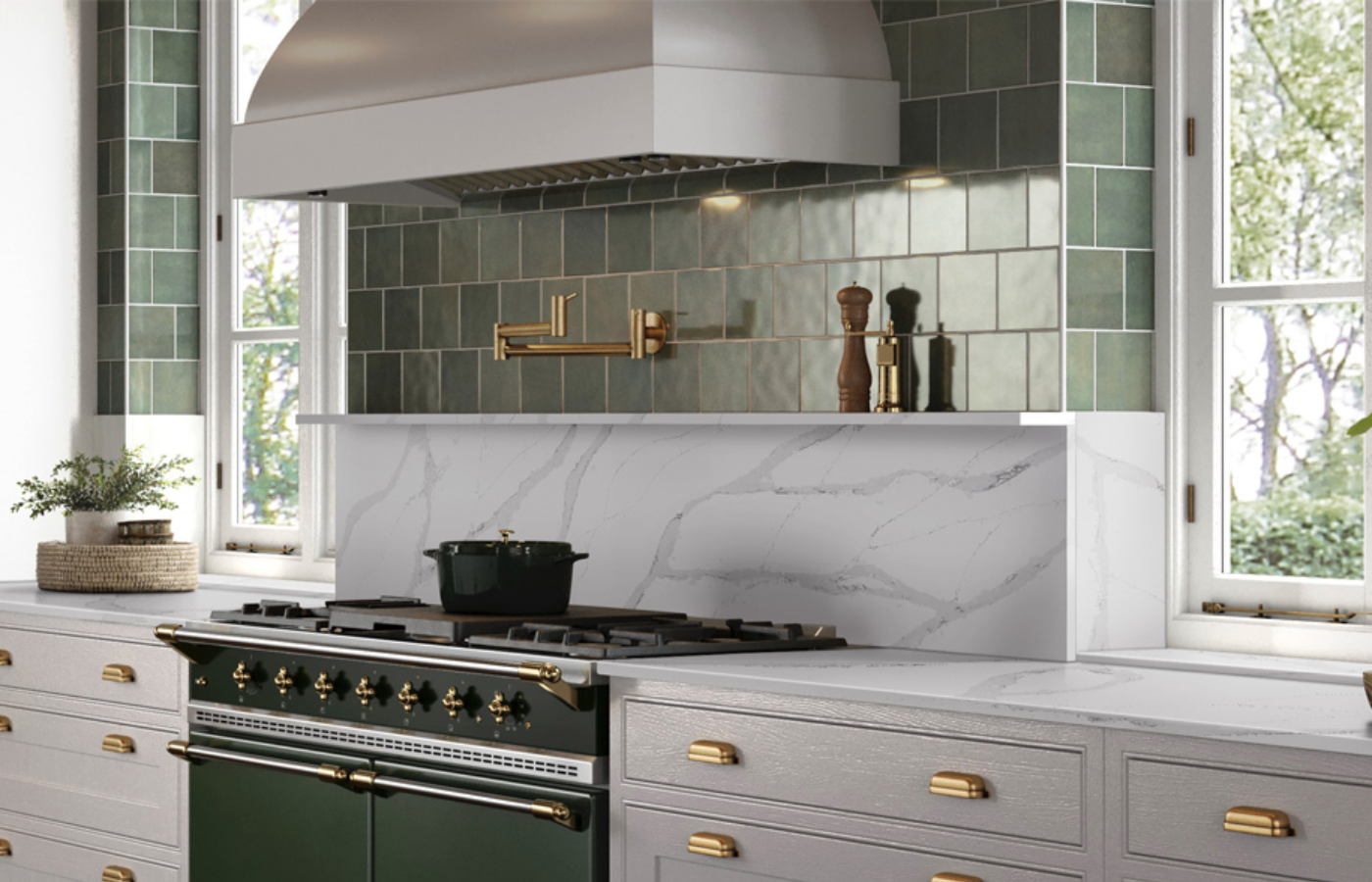
This is one of the most common misconceptions.
Truth: Quartz never needs sealing.
Unlike granite, marble, or dolomite, quartz has no pores for liquids to penetrate. The resins used in manufacturing create a durable surface that naturally resists stains from:
If ease of maintenance matters, quartz is one of the best investments you can make.
Quartz is strong, but not invincible.
Truth: Quartz is extremely durable, but it can still be damaged.
It ranks around 7 on the Mohs hardness scale, making it more scratch resistant than many natural stones. However, homeowners should still avoid:
Daily use will not harm quartz, but thoughtful habits will extend its life even further.
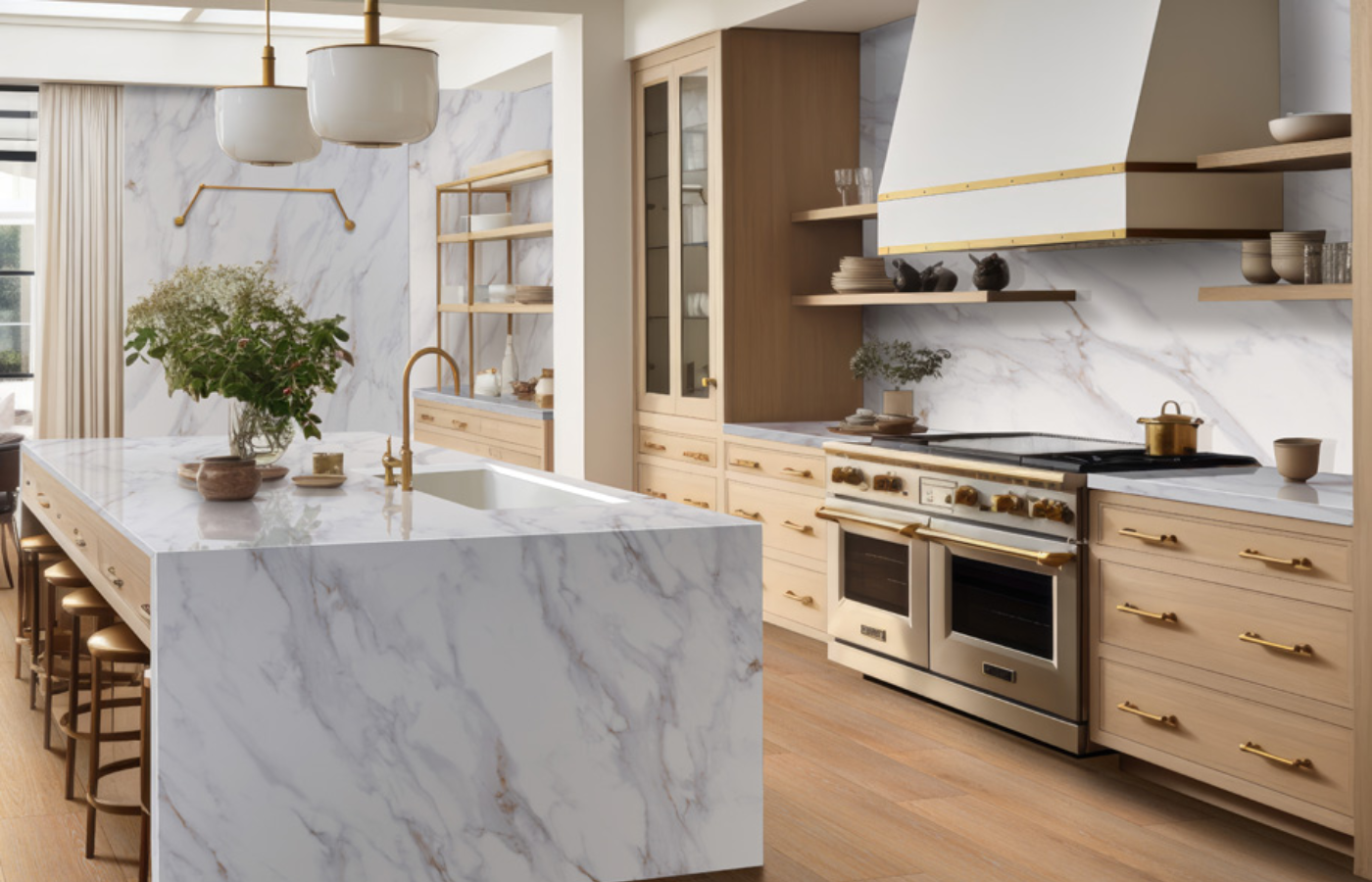
This myth leads to many damaged countertops.
Truth: Quartz is heat resistant, but not heat proof.
Excessive heat can cause resin discoloration or cracking. Protect your counters by always using:
This is especially important near stovetops and ovens.
This misconception usually comes from experiences with natural stone.
Truth: Quartz is highly stain resistant.
Most spills can be cleaned with warm water, mild dish soap, and a soft cloth. In rare cases of tough residue, products such as Custom NanoScrub, available at Design Surfaces, can help remove buildup without damaging the surface.
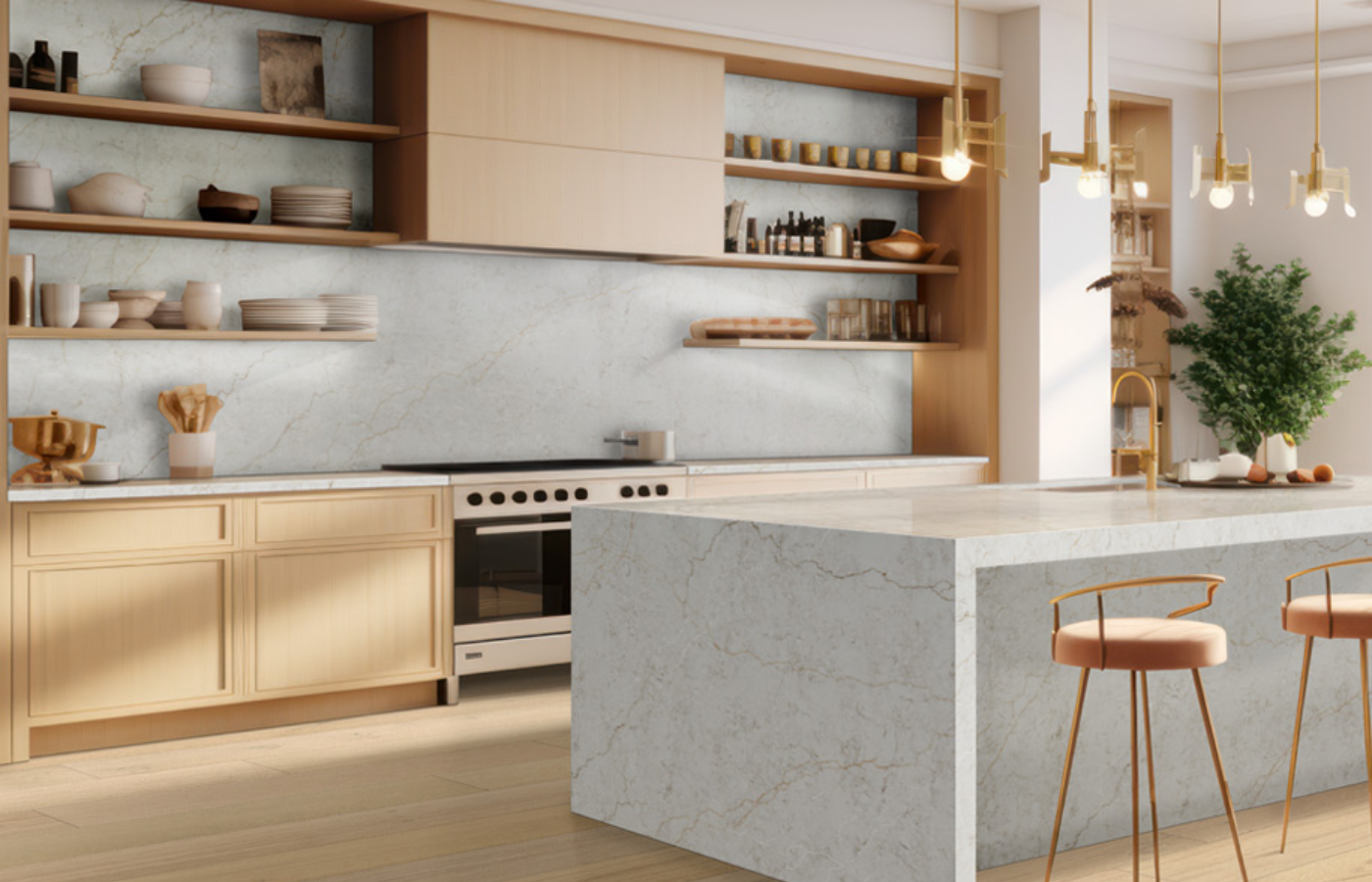
Today’s manufacturing technology has changed that.
Truth: Quartz is available in incredibly realistic marble, quartzite, and concrete inspired patterns.
You can choose:
Quartz offers both natural inspired beauty and clean, modern uniformity, depending on your style.
Many homeowners think quartz is only for kitchens.
Truth: Quartz is ideal for moisture heavy spaces.
Its non porous surface prevents water absorption, mold growth, and bacteria buildup. That makes it perfect for:
Its durability and ease of cleaning make it one of the best materials for humid environments.
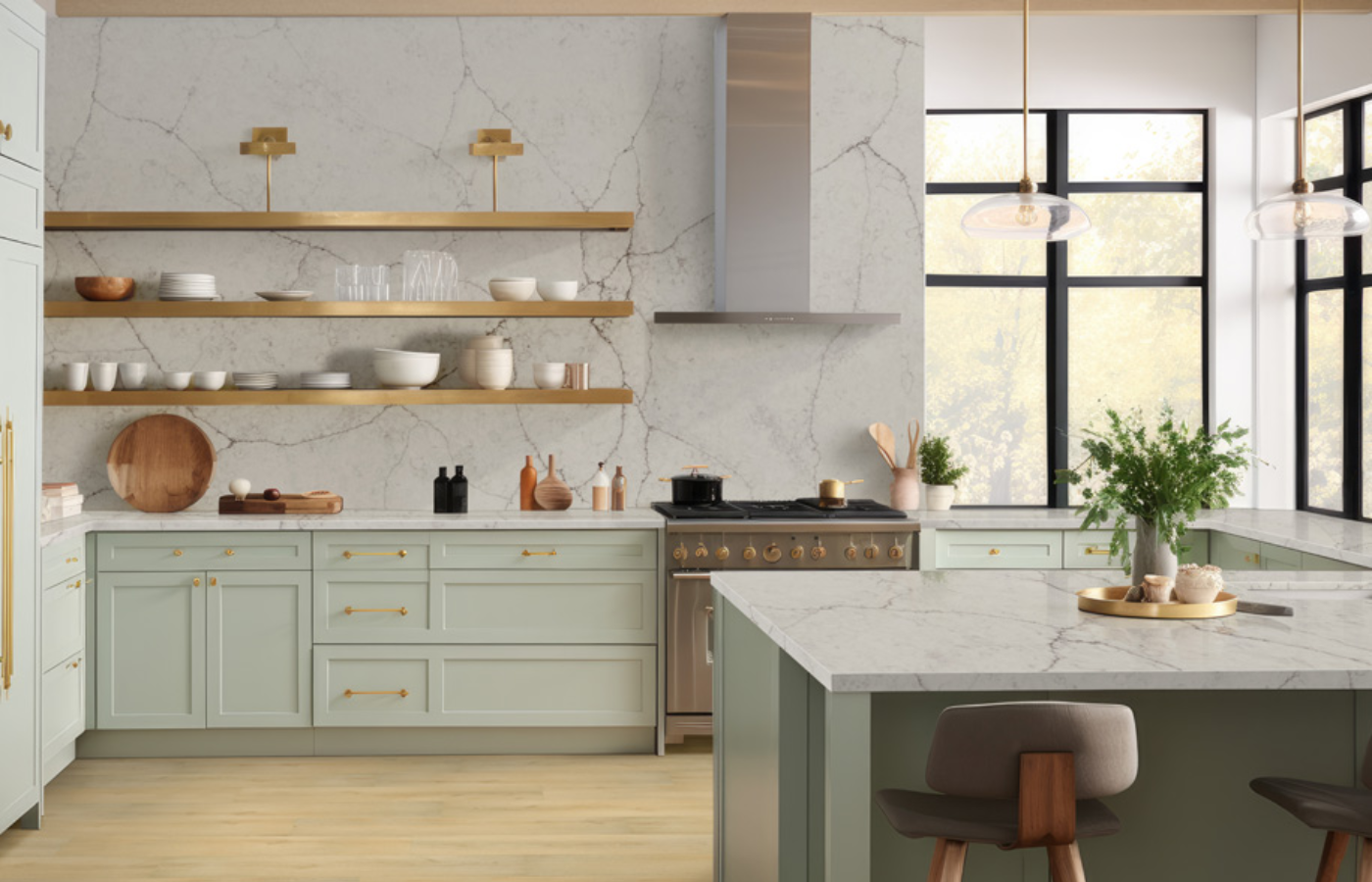
Quartz requires very little upkeep, but a few good habits will keep it looking pristine.
Use a plastic scraper for dried spills, then clean with a quartz safe cleaner.
When cared for properly, quartz countertops can maintain their original beauty for decades.
Quartz is not better in every way, but it is better for homeowners who want:
Granite and quartzite offer more natural variation and better heat tolerance, while marble offers unmatched elegance but requires more upkeep. At Design Surfaces, our team helps you compare all options so you choose the best fit for your lifestyle.
Choosing quartz is easier when you can see full slabs, compare patterns, and feel the texture in person. At Design Surfaces in Westlake, you receive:
Seeing materials in our showroom helps you make confident, informed design choices.
Texture mixing is the process of combining different materials, finishes, and surface characteristics to create visual depth and balance within a space. In modern interior design, this often means layering wood, stone, tile, metal, and textiles to make a room feel more sophisticated, inviting, and thoughtfully designed.
Perfectly matching materials can make a room feel flat and predictable. Designers often combine wood, stone, and tile because each material contributes a different visual quality. Wood introduces warmth, stone adds natural character, and tile provides texture, pattern, and durability. Together, they create a layered look that feels more custom and timeless.
A good rule is to start with one dominant material and build around it.
For example:
This hierarchy helps create balance while preventing the space from feeling visually overwhelming.
Some of the most popular material combinations include:
These combinations remain popular because they balance beauty, durability, and timeless appeal.
Cohesive design comes from coordination, not duplication. Focus on:
The goal is for materials to complement each other rather than compete for attention.
A hero material is the feature surface that establishes the visual identity of a room. This could be a dramatic countertop slab, a statement tile wall, a striking wood ceiling, or a unique fireplace surround. Supporting materials should enhance the hero material rather than overshadow it.
One of the easiest ways to create balance is by pairing warm and cool surfaces together.
Examples include:
This contrast helps rooms feel more comfortable, layered, and visually balanced.
Several countertop materials work exceptionally well with wood cabinetry:
The ideal pairing depends on cabinet color, undertones, lighting conditions, and overall design style.
Rather than selecting tile that exactly matches the countertop, look for materials that share similar undertones or visual characteristics. Tile often works best when it acts as a bridge between cabinetry and countertops, helping unify the overall palette.
In many cases, yes. Texture often creates more visual interest than color alone. A room filled with materials that share similar colors but feature varying textures can feel richer and more sophisticated than a room with multiple bold colors but little material variation.
Texture layering is a defining characteristic of many popular styles, including:
These styles use material contrast to create warmth, depth, and visual character.
Some of the most common mistakes include:
Avoiding these issues helps create a more refined and cohesive design.
Lighting is one of the most important factors in material selection. Natural light, artificial light, and seasonal changes can dramatically alter how wood, stone, and tile appear. Viewing materials together in multiple lighting conditions helps ensure the final design performs as expected.
Absolutely. Many luxury interiors feel elevated because they thoughtfully layer materials with different textures and finishes. The contrast between natural wood grain, stone veining, matte tile, and polished surfaces creates depth and sophistication that cannot be achieved through color alone.
The best approach is to evaluate materials side by side before making final decisions. Compare countertop samples, cabinetry finishes, tile selections, flooring, and hardware together. Seeing the complete palette allows you to assess color relationships, texture balance, and overall cohesion before installation begins.
Quartz countertops offer a dependable combination of beauty, simplicity, and long term performance, making them a trusted choice for modern Cleveland homes. With no sealing, low maintenance needs, and a wide range of styles, quartz delivers both function and design flexibility for kitchens, bathrooms, and laundry spaces. Visiting the Design Surfaces showroom in Westlake allows you to see full slabs in person, compare colors side by side, and receive guidance from experts who understand how quartz performs in real homes. If you want a countertop that looks stunning, stays durable, and fits your lifestyle, quartz is an exceptional investment for every room.
Call: 440.899.9900 • Contact: Submit a Request • Email: info@designsurfaces.com


