Contact info +
.png)
.png)
.png)
Showroom Hours:
Mon-Fri - 9AM-5PM | Sat - 10AM-2PM | Sun - Closed
Mon-Fri - 9AM-5PM | Sat - 10AM-2PM | Sun - Closed


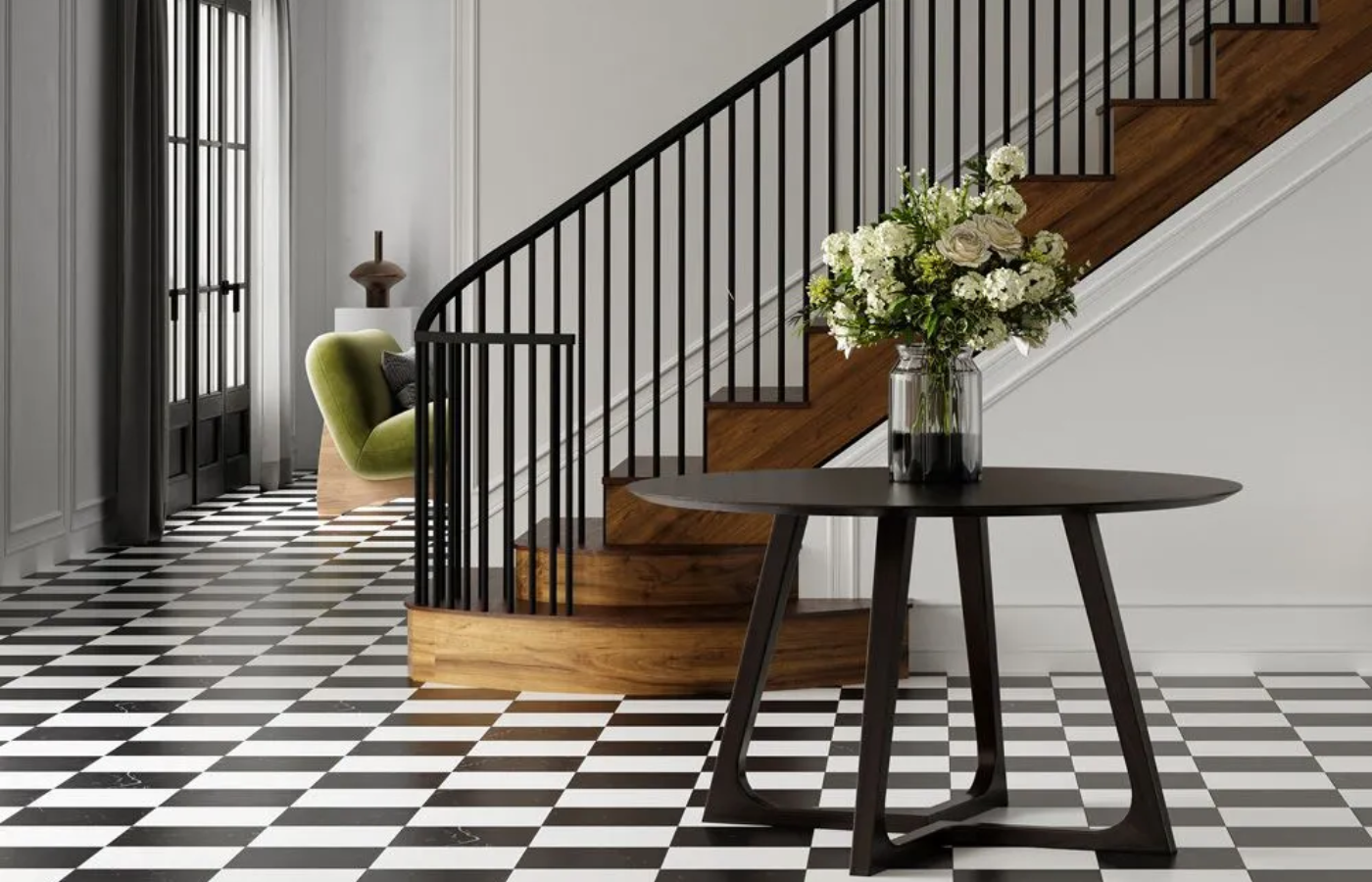
A beautifully designed home is rarely defined by a single material. Instead, it is the thoughtful blend of surfaces that creates warmth, character, and balance. Today’s most compelling interior spaces use texture as a design tool, combining the richness of wood, the durability of stone, and the artistry of tile to create layered environments that feel intentional and inviting. At Design Surfaces in Westlake, serving homeowners, designers, and contractors across Cleveland, we help clients explore these combinations through full slab displays, curated tile collections, and expert guidance. When textures work together, ordinary rooms become inspired, modern, and unforgettable.
Texture mixing means combining multiple surface types such as warm wood cabinetry, natural stone countertops, and patterned porcelain tile to build depth and dimension within a room.
For modern Cleveland homes, this approach blends practicality with beauty, enhancing both new builds and renovation projects.
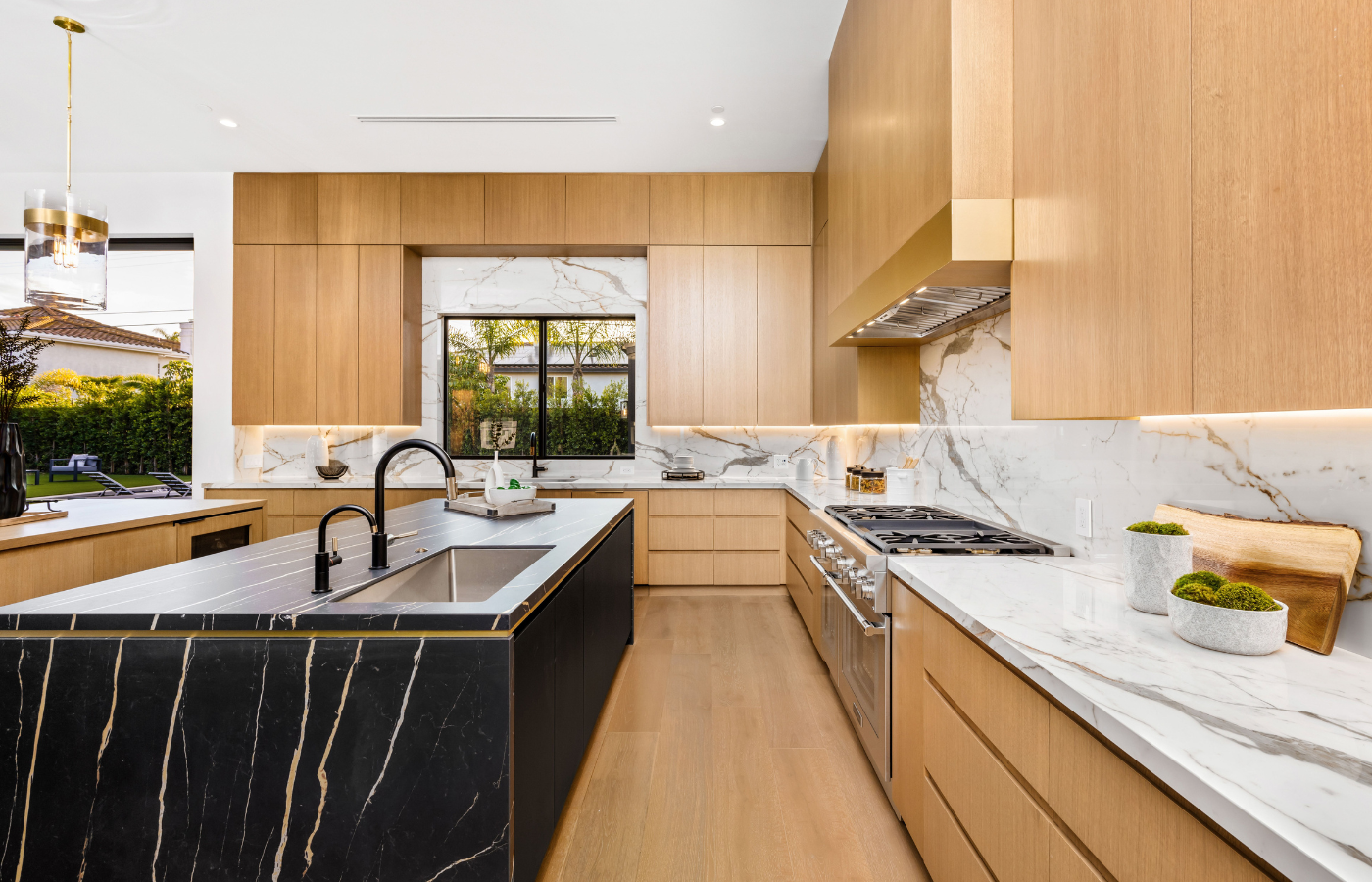
These combinations create depth and personality across both modern and traditional home styles.
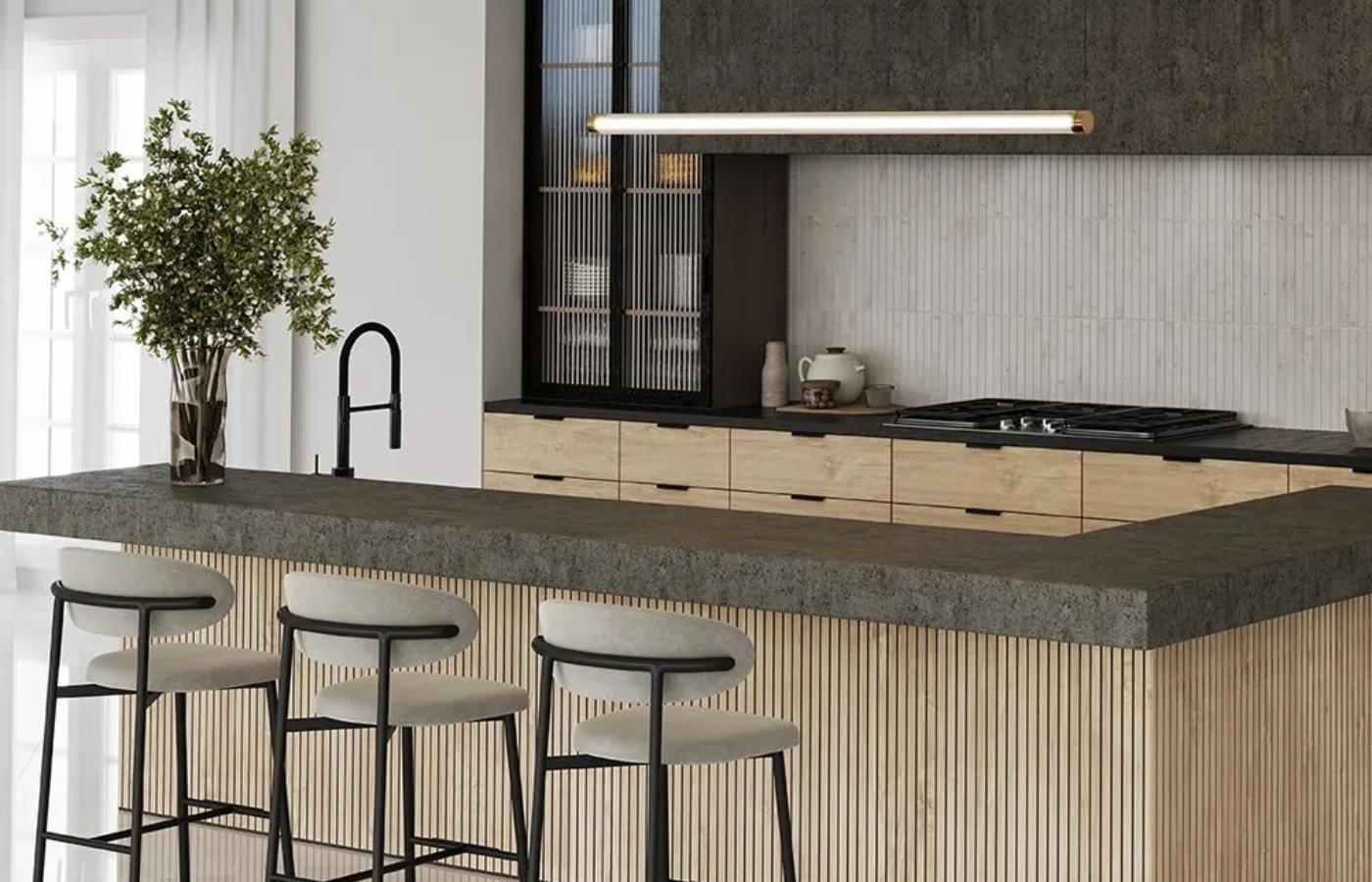
Selecting surfaces becomes simple when you follow a few foundational design rules.
Choose one material that sets the tone, such as dramatic quartzite or richly grained wood. Let everything else support it.
This balance creates harmony instead of dominance.
Mix matte, polished, honed, and textured surfaces for depth.
At the Design Surfaces showroom, you can compare wood samples, stone slabs, and tile boards side by side. Seeing full pieces in natural light ensures the palette feels cohesive.
Expert tip: Choose two primary textures, then introduce a third as an accent for a refined, balanced look.
Texture provides dimension, but color provides mood. Successful palettes allow wood, stone, and tile to complement rather than compete.
Cream quartz, honey toned wood, and soft taupe tile. Ideal for family kitchens and cozy living spaces.
White marble with gray veining, dark wood cabinetry, and charcoal porcelain. Perfect for contemporary bathrooms or open concept homes.
Soapstone or slate, light oak cabinetry, and green or terracotta tile for natural, grounded interiors.
Black granite or deep quartz, walnut cabinetry, and patterned encaustic style tile. Great for statement kitchens or powder rooms.
One advantage of blending materials is that each plays to its strengths.
Together, these materials form a durable, long lasting design system suited to busy households.
Avoid these pitfalls that disrupt cohesion:
Different design themes amplify textures in distinct ways:
These examples show how texture mixing adapts to any design style.
Mixing wood, stone, and tile is a timeless technique for creating homes with richness, comfort, and architectural character. By layering textures with intention, you build spaces that feel sophisticated, balanced, and uniquely personal. Visit the Design Surfaces showroom in Westlake to explore full slabs, tile boards, and material pairings in person. Serving Bay Village, Rocky River, Lakewood, Avon, and the greater Cleveland area, our team will help you design a space that blends beauty with long lasting function.
Call: 440.899.9900 • Contact: Submit a Request • Email: info@designsurfaces.com


