Contact info +
.png)
.png)
.png)
Showroom Hours:
Mon-Fri - 9AM-5PM | Sat - 10AM-2PM | Sun - Closed
Mon-Fri - 9AM-5PM | Sat - 10AM-2PM | Sun - Closed


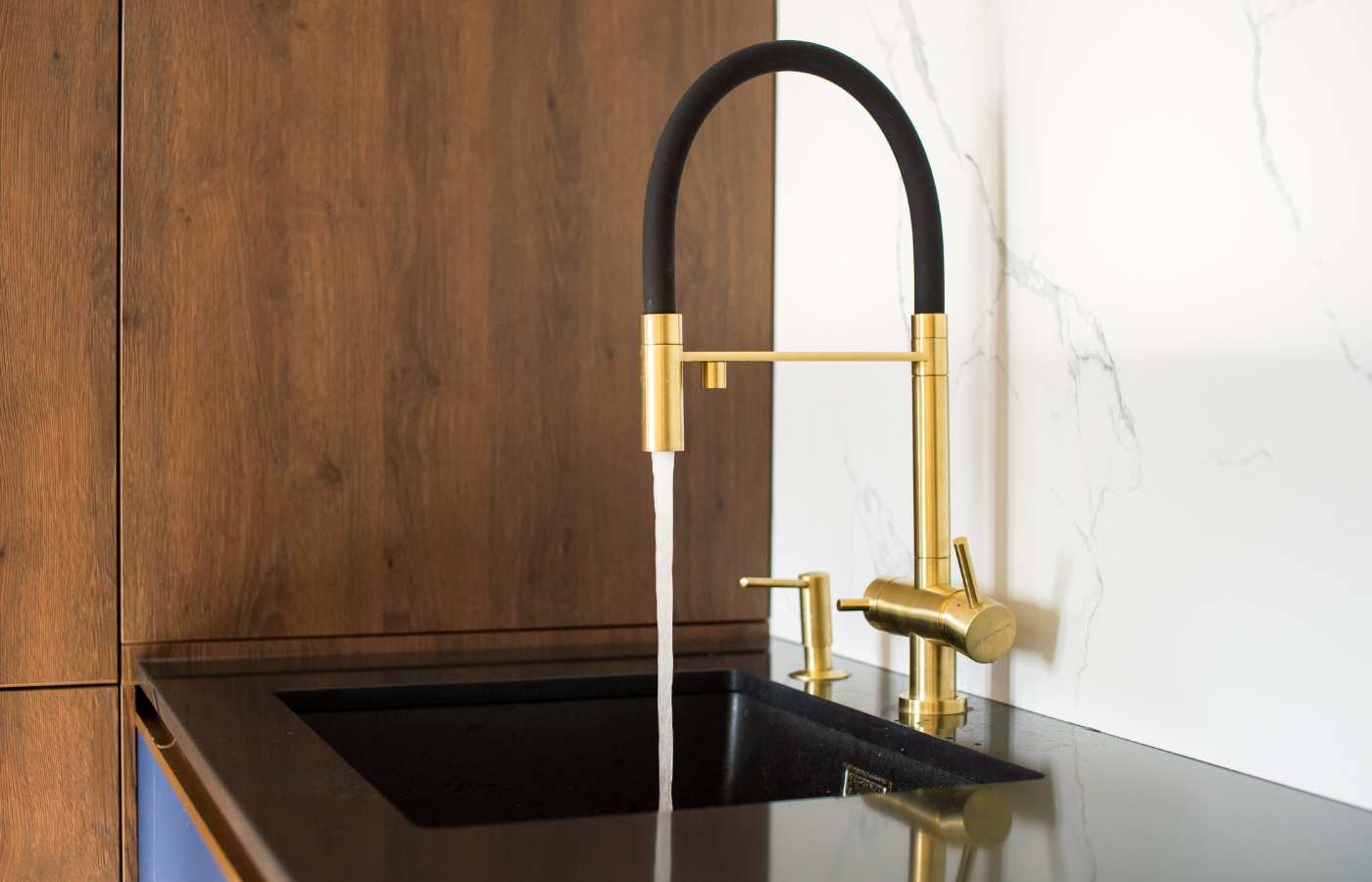
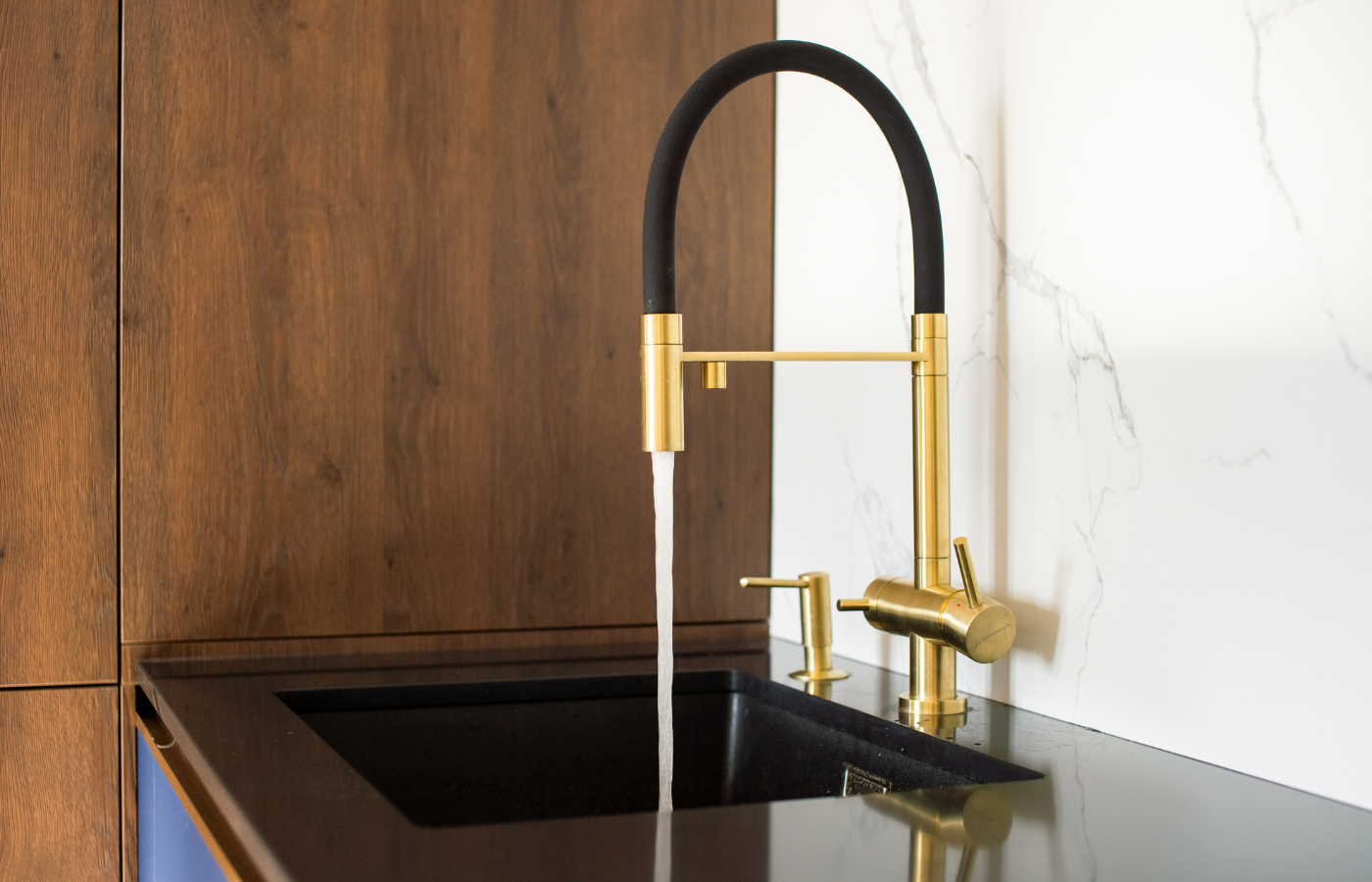
A beautifully designed kitchen is often defined by the details you notice last but use every day. The sink is one of them. It may seem like a purely functional choice, but the way a sink meets the countertop can shape the entire feel of the space. At Design Surfaces, we help Cleveland homeowners compare details like integrated sinks vs undermount sinks so the final design feels cohesive, practical, and refined. The right choice is not just about appearance. It is about how the kitchen functions, cleans, and holds up over time.
A sink is one of the most frequently used features in any kitchen. It handles prep, cleanup, cookware, and daily routines. Because of that, the installation style matters.
The difference between integrated sinks vs undermount sinks comes down to how the sink connects to the countertop. One creates a fully seamless surface, while the other offers a clean, tucked-under look with more material flexibility.
Both can look elevated. Both can function beautifully. The best choice depends on your countertop material, maintenance preferences, design style, and how you use the space every day.
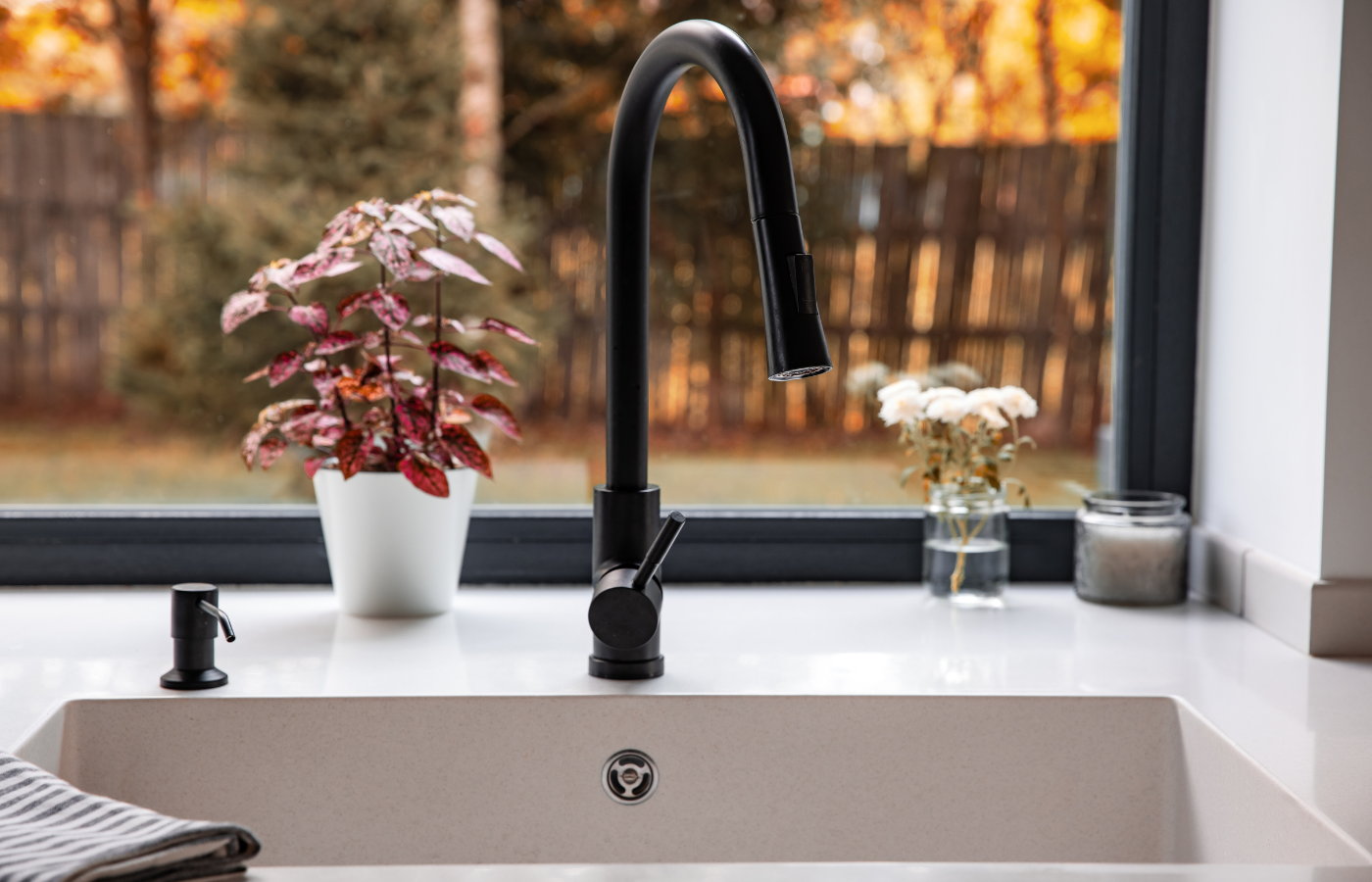
An integrated sink is built into the countertop so the sink and surrounding surface feel like one continuous piece. There is no visible rim, lip, or separate sink edge interrupting the surface.
This creates a streamlined, architectural look that is especially popular in modern and minimalist kitchens.
Integrated sinks are often made from materials such as:
The goal is visual continuity. Instead of the sink feeling like a separate fixture, it becomes part of the countertop design itself.
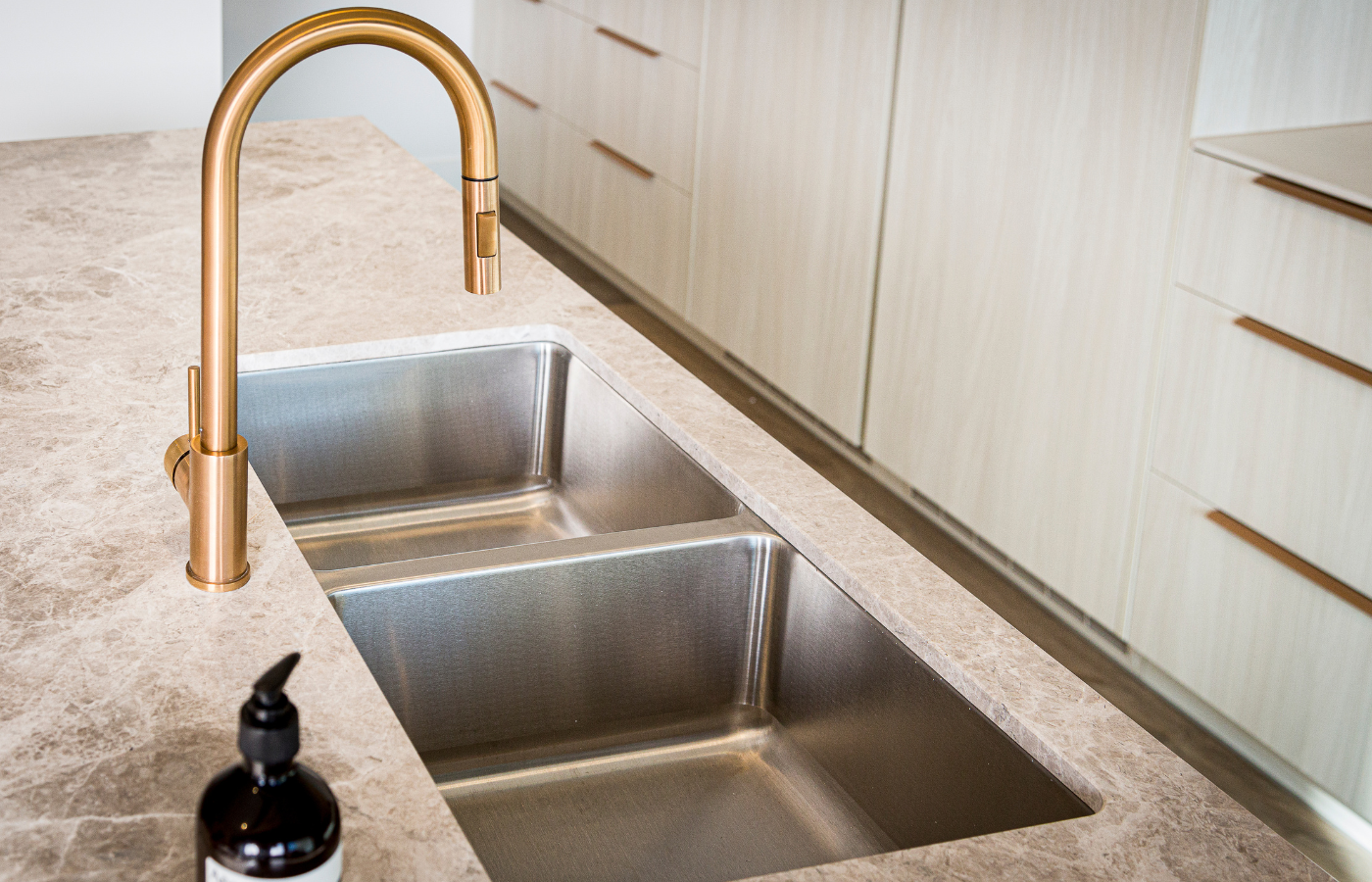
An undermount sink is installed beneath the countertop, creating a clean edge around the sink opening. Unlike a drop-in sink, there is no raised rim sitting on top of the counter.
This makes undermount sinks a popular choice for homeowners who want a polished look without committing to a fully integrated design.
Undermount sinks work well with many countertop materials, including:
They are one of the most common choices in high-end kitchen and bathroom design because they balance clean aesthetics with broad compatibility.
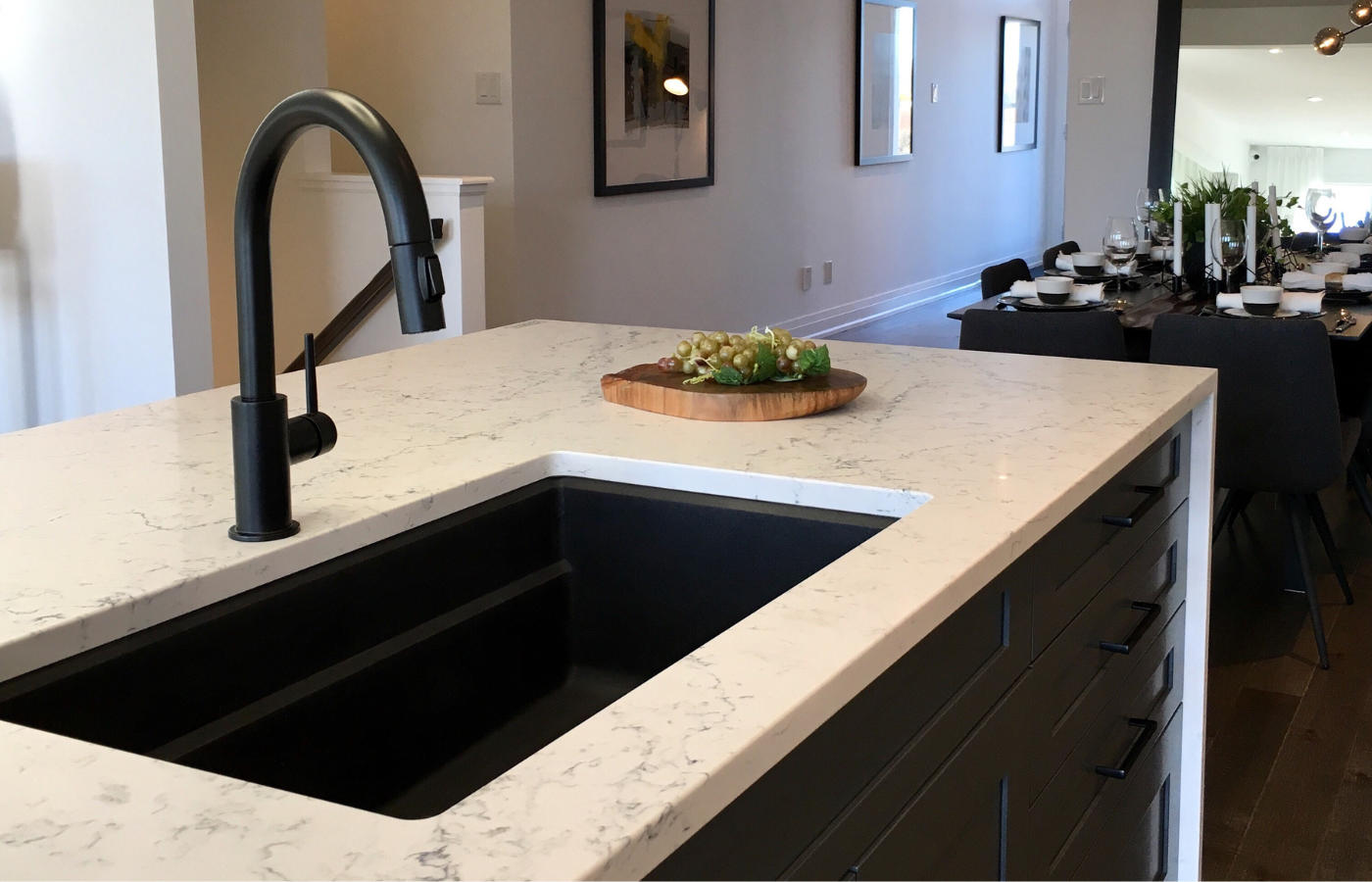
The biggest difference is the transition between sink and countertop.
With an integrated sink, the surface flows directly into the basin. With an undermount sink, the sink sits below the countertop, creating a defined edge where the materials meet.
That difference affects:
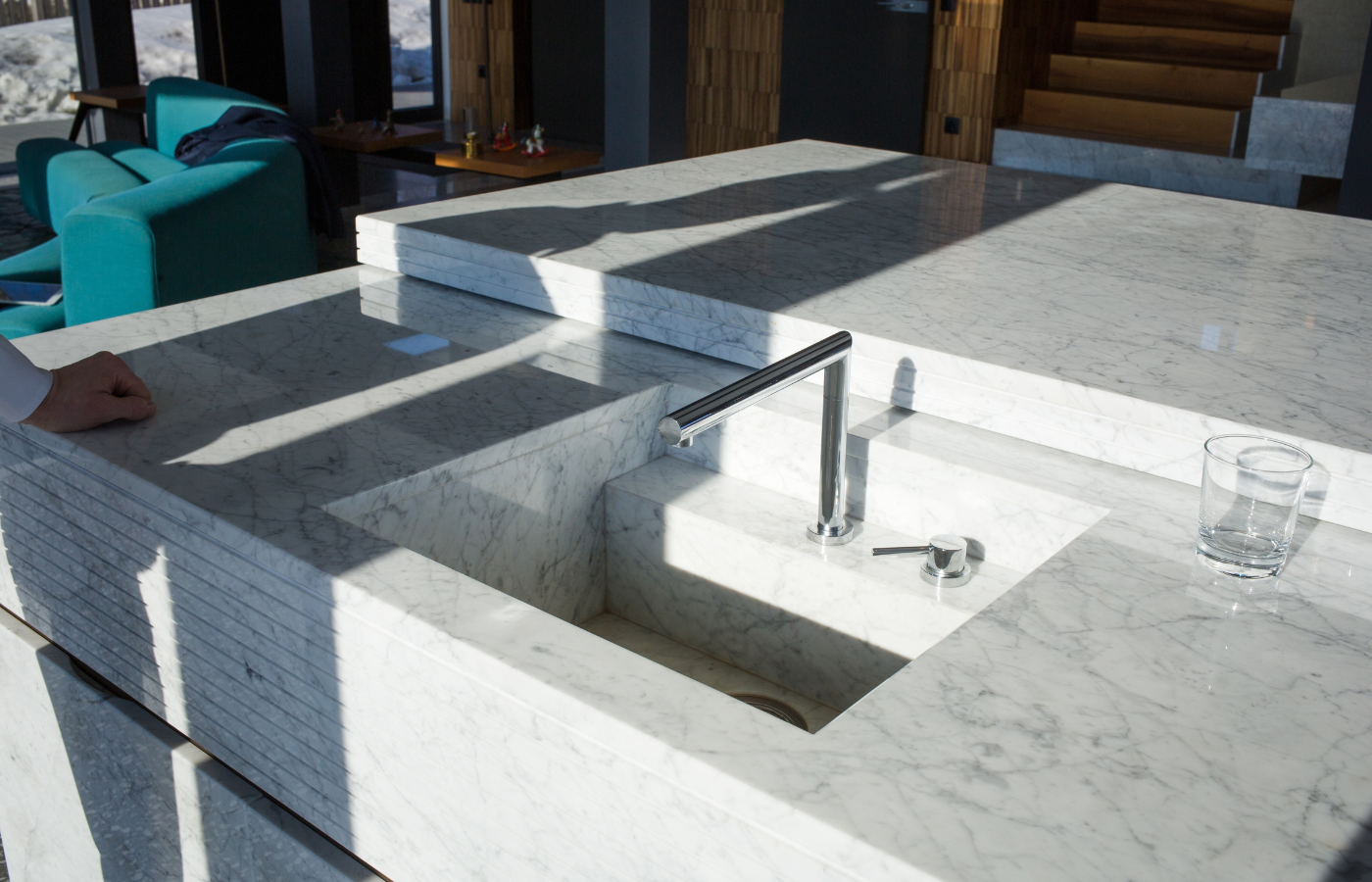
When comparing integrated sinks vs undermount sinks, homeowners should think beyond the initial look and consider how the choice will perform over time.
Integrated sinks create one of the cleanest looks available. They are ideal for kitchens where simplicity, continuity, and minimal visual interruption are priorities.
The effect is subtle but powerful. Without a visible sink rim or transition, the countertop becomes the dominant design feature. This works especially well with surfaces that have a soft, consistent pattern or a sleek modern finish.
Integrated sinks are often ideal for:
They make the space feel less busy and more intentional.
Undermount sinks offer a timeless, refined look that works across many design styles. They are less visually seamless than integrated sinks, but still much cleaner than traditional drop-in options.
Because the sink is tucked beneath the countertop, the countertop edge remains visible. This can be a design advantage when working with natural stone or a material with beautiful thickness and detail.
Undermount sinks work well in:
They give homeowners flexibility without sacrificing an elevated look.
One of the biggest reasons homeowners compare integrated sinks vs undermount sinks is cleaning.
Integrated sinks are often the easiest to wipe down because there is no seam or edge where debris can collect. Crumbs, water, and residue can move directly from the counter into the basin.
Undermount sinks are also easy to clean, but the edge where the countertop meets the sink still requires attention. Over time, that transition can collect buildup if not maintained properly.
For homeowners who want the smoothest cleaning experience possible, integrated sinks have the advantage. For those who are comfortable with basic upkeep, undermount sinks remain very practical.
Durability depends heavily on the materials involved and the quality of installation.
Integrated sinks can perform beautifully when fabricated correctly, but they require careful planning. Because the sink and surface are connected, repairs or replacements may be more involved if damage occurs.
Undermount sinks offer more flexibility. If the sink itself becomes damaged or the homeowner wants to update the style later, replacement may be more straightforward depending on the installation.
In high-use kitchens, undermount sinks remain a dependable choice because they combine a clean look with long-term practicality.
At Design Surfaces, we help clients evaluate these details carefully, serving homeowners, designers, and contractors across Cleveland who want spaces that feel elevated and function beautifully.
Quartz works well with both integrated and undermount sinks, but the final choice depends on the desired look.
An integrated sink can create a sleek, modern appearance, especially when paired with a clean quartz surface. An undermount sink offers more flexibility and is often the more common choice for quartz countertops.
If you want a low-maintenance kitchen with a refined look, either option can work. The deciding factor is usually whether you prefer seamless design or more traditional flexibility.
For granite, quartzite, marble, and dolomite, undermount sinks are typically the more practical choice.
Natural stone can be cut and finished beautifully around an undermount sink, allowing the stone edge to remain visible. This preserves the character of the slab while still creating a clean, functional design.
Integrated sinks are less common with natural stone because creating a fully continuous basin from the same material can be more complex and may not always be practical.
For homeowners selecting dramatic natural stone, an undermount sink often allows the countertop to remain the focal point.
Integrated sinks generally cost more because they require more planning, fabrication, and precision. The seamless look comes from careful execution, and that additional craftsmanship is reflected in the overall project investment.
Undermount sinks are often more cost-effective while still offering a high-end appearance. They are widely available, compatible with many materials, and familiar to most installers.
When comparing costs, homeowners should consider:
The best value is not always the lowest price. It is the option that supports the way the space will be used.
Both integrated and undermount sinks can support resale value when chosen well.
Undermount sinks have broad buyer appeal because they are clean, familiar, and practical. Most homeowners recognize them as a premium feature.
Integrated sinks can create a more custom, high-end impression, especially in modern homes. However, because they are more specific in style, they work best when they align with the rest of the design.
For resale-focused renovations, undermount sinks are often the safer choice. For homeowners creating a distinctive, design-forward space, integrated sinks can make a memorable impact.
An integrated sink may be the right choice if you want:
This option is especially strong when the overall kitchen design is clean, simple, and highly intentional.
An undermount sink may be better if you want:
This option works well for homeowners who want beauty, function, and versatility in one design decision.
The difference between integrated sinks vs undermount sinks is easier to understand when you see the materials together. Photos can show the general look, but they cannot fully capture edge details, surface transitions, or how the sink feels within the countertop.
Viewing options in person allows you to compare:
This is where a small detail becomes a confident decision.
The best sink style is not always the most dramatic or the most expensive. It is the one that supports your routine while enhancing the overall design.
Integrated sinks offer seamless beauty and easy cleaning. Undermount sinks offer flexibility, timeless appeal, and proven functionality.
Both can elevate a kitchen when selected with intention.
The choice between integrated sinks vs undermount sinks is ultimately about how you want your kitchen to feel and function. A seamless surface can create a clean, modern statement. A well-selected undermount sink can deliver timeless practicality with a polished finish.
At Design Surfaces, we help homeowners compare these details with clarity so every selection works together. From countertops and sinks to tile, fixtures, and finishes, our team can help you create a space that feels cohesive, durable, and beautifully considered.
Call: 440.899.9900 • Contact: Submit a Request • Email: info@designsurfaces.com


