Contact info +
.png)
.png)
.png)
Showroom Hours:
Mon-Fri - 9AM-5PM | Sat - 10AM-2PM | Sun - Closed
Mon-Fri - 9AM-5PM | Sat - 10AM-2PM | Sun - Closed


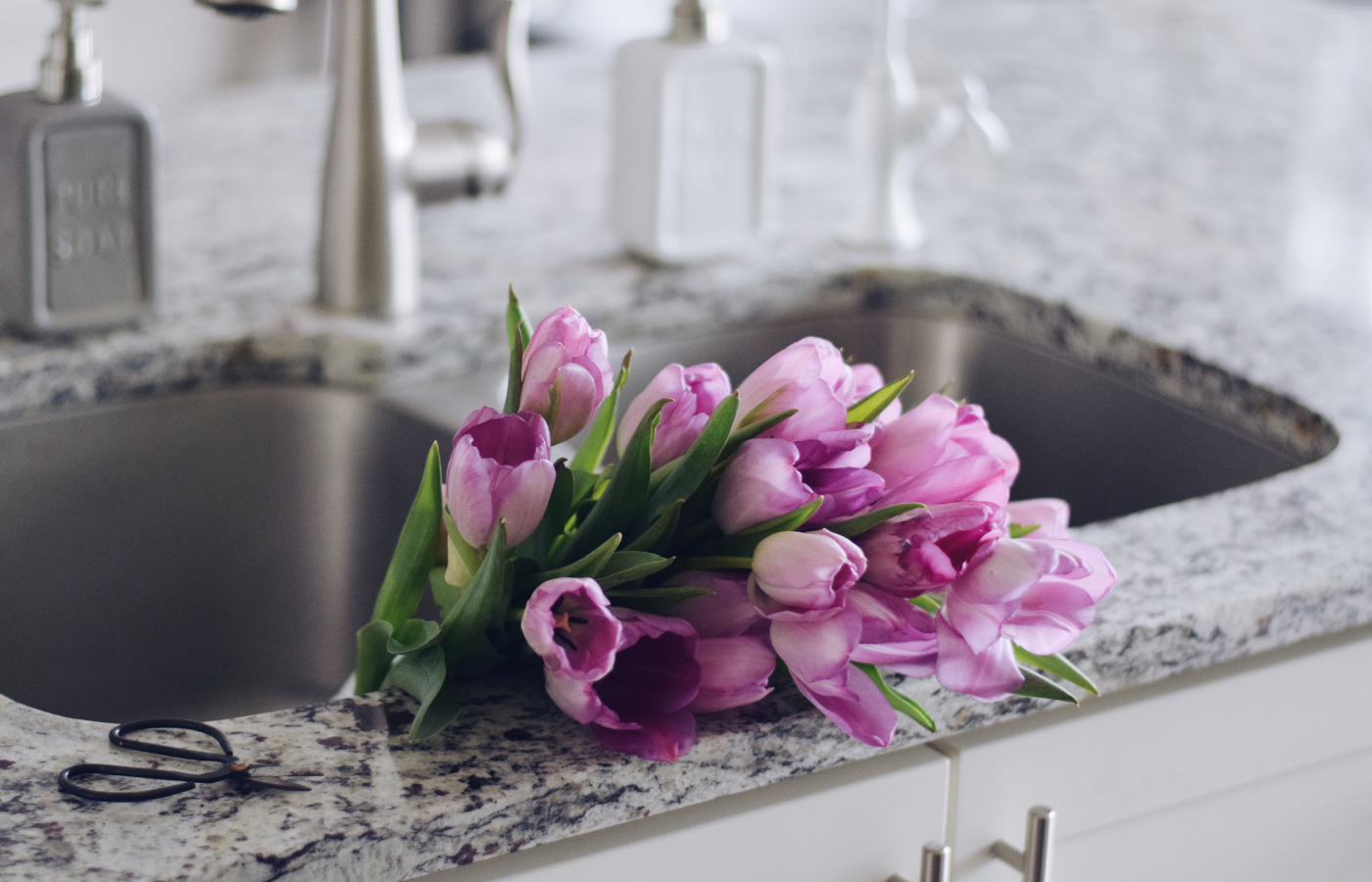
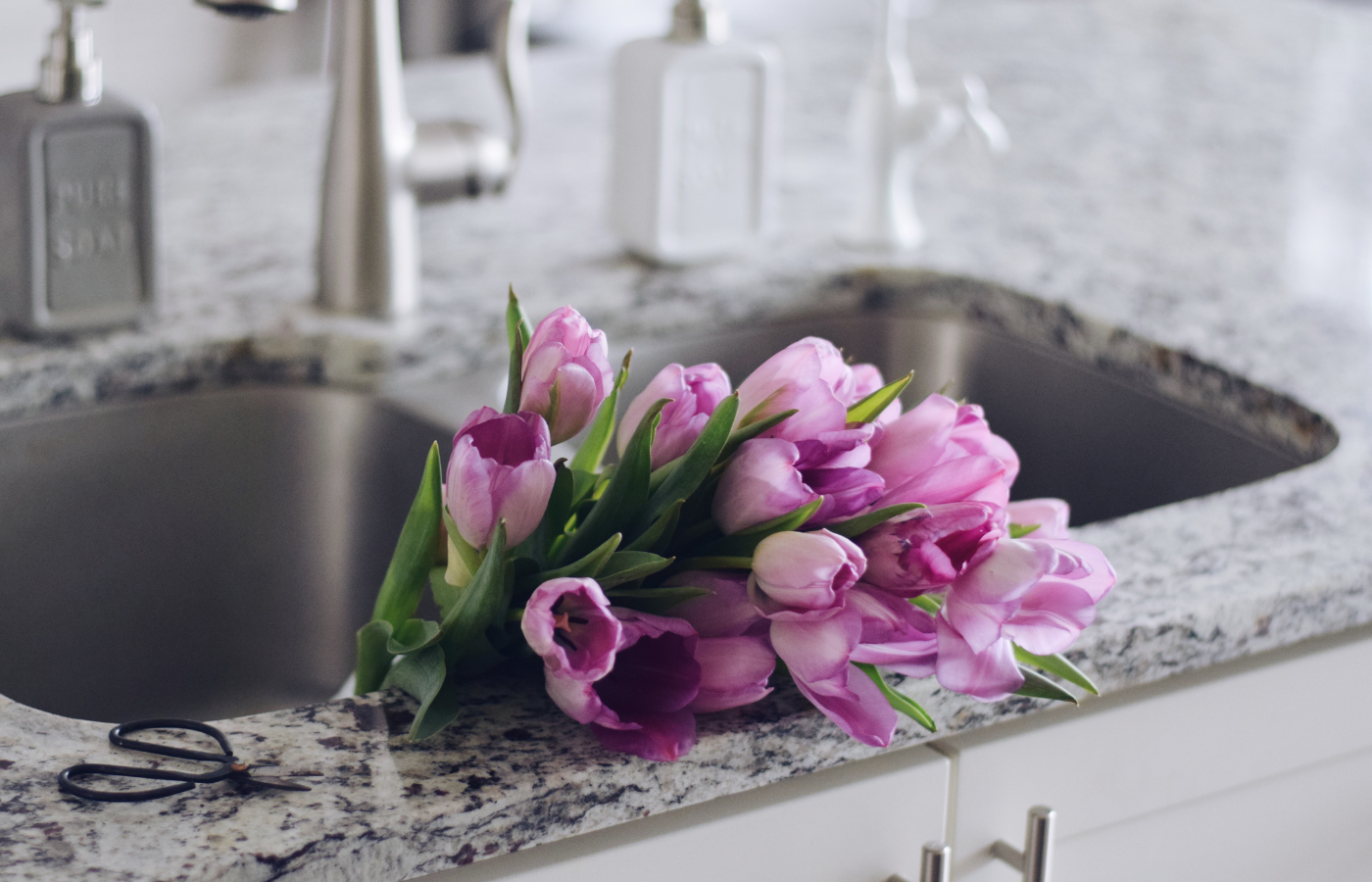
A stunning granite countertop can quickly lose some of its impact when cloudy white rings, chalky residue, or mineral deposits begin collecting around sinks and faucets. Many homeowners assume the stone itself has become stained or damaged, only to discover the issue is actually hard water buildup sitting on the surface. The challenge is knowing how to remove those marks without harming the natural stone underneath.
At Design Surfaces, we help homeowners protect the beauty and longevity of premium stone surfaces long after installation. Understanding how to remove hard water stains from granite countertops properly not only restores the appearance of the stone, but also helps preserve the durability, value, and timeless appeal that make granite one of the most sought-after countertop materials available.
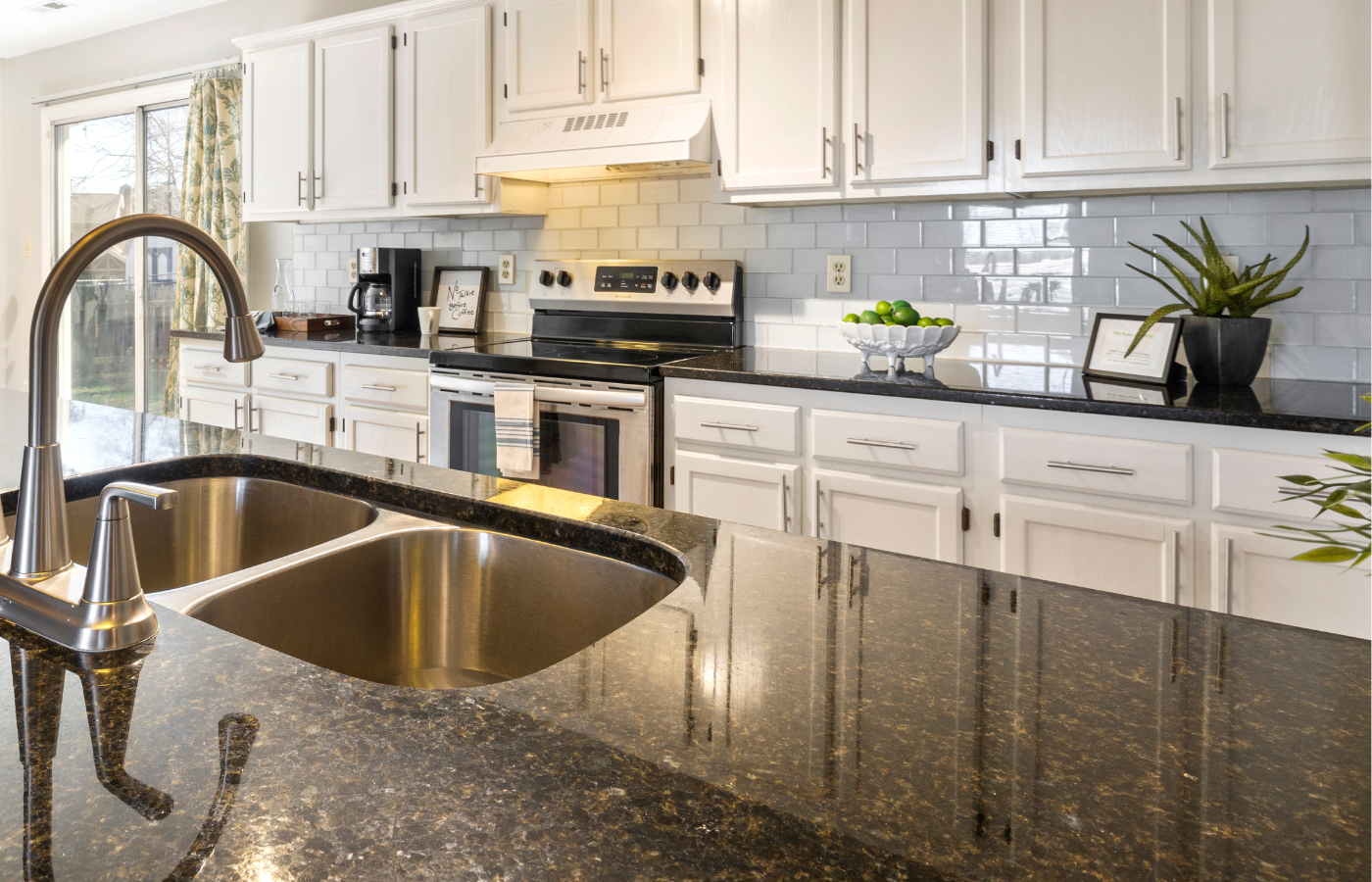
One of the biggest misconceptions about granite maintenance is that hard water stains are permanent damage to the stone itself.
In reality, hard water deposits are typically mineral accumulations left behind when water evaporates. As moisture dries, minerals such as calcium and magnesium remain on the surface, gradually creating cloudy white spots, rings, or crusty buildup.
These deposits most commonly appear:
The longer these minerals remain, the more noticeable they become.
Fortunately, most hard water buildup on granite is a surface issue rather than a structural one.
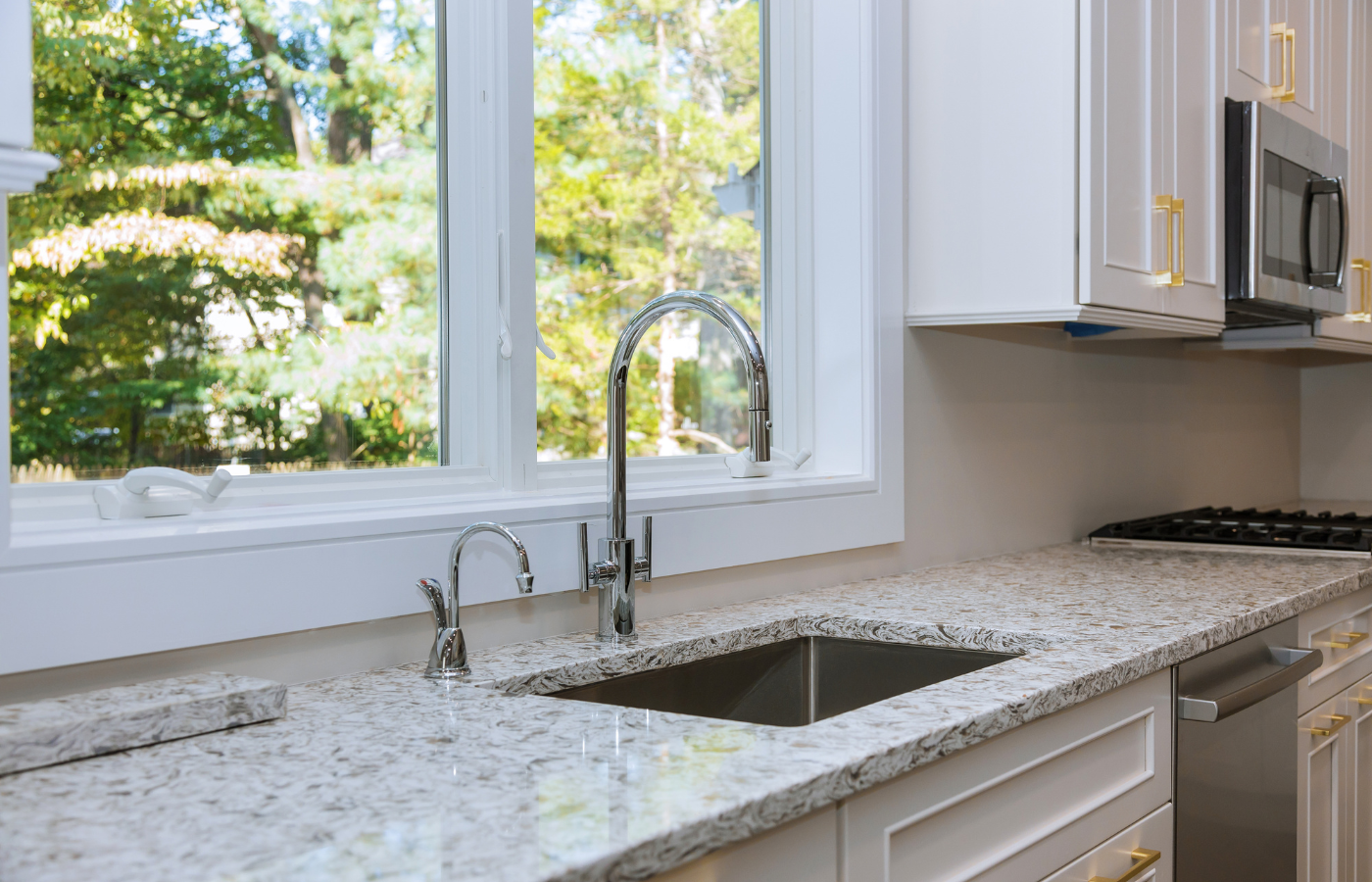
Homeowners are often surprised that certain granite countertops seem more prone to visible water spots than others.
The reality is that color, pattern, and finish all influence how noticeable mineral deposits become.
For example:
This is one reason homeowners sometimes feel their countertops are suddenly developing problems when, in reality, the deposits have simply become more visible under changing lighting conditions.
Granite is incredibly durable, but it remains a natural stone surface that benefits from proper care.
Many products marketed for hard water removal rely on strong acidic ingredients that aggressively dissolve mineral deposits. While these cleaners may work on glass or porcelain, they are not always appropriate for natural stone.
Harsh acidic cleaners can:
Understanding how to remove hard water stains from granite countertops safely is just as important as removing the buildup itself.
Protecting the stone should always remain the priority.
Before cleaning, it helps to determine whether the issue is truly hard water buildup.
Hard water deposits typically appear:
Actual stains often appear:
This distinction matters because the treatment methods are different.
Many homeowners worry that granite has become permanently stained when the issue is simply mineral deposits on the surface.
When dealing with granite water spots or mineral buildup, always start with the gentlest solution first.
For newer deposits, warm water and gentle scrubbing with a microfiber cloth may be enough to loosen residue.
This approach minimizes risk while preserving both the finish and the sealer.
If buildup remains, choose a cleaner specifically formulated for natural stone.
Stone-safe products are designed to:
Always follow product instructions and avoid cleaners that contain strong acidic ingredients.
For thicker buildup, a plastic scraper can sometimes help loosen surface deposits.
This should always be done gently and never with metal tools that could scratch the granite.
Patience often produces better results than aggressive scrubbing.
Many popular online cleaning recommendations can create unintended damage when used on natural stone.
Avoid:
While some of these products may remove mineral buildup quickly, they can also affect the sealer and alter the appearance of the granite.
Luxury surfaces deserve maintenance methods that protect both performance and beauty.
This is one of the most common questions homeowners ask.
In most cases, hard water deposits themselves do not permanently damage granite.
The mineral buildup typically remains on the surface and can often be removed safely with proper cleaning methods.
However, neglecting buildup for extended periods may contribute to:
The key is addressing mineral accumulation before it becomes excessive.
Routine care helps preserve both the appearance and performance of the stone.
A quality granite sealer provides an important layer of protection.
While sealers do not make granite waterproof, they help reduce moisture absorption and make ongoing maintenance easier.
Over time, sealers naturally wear down due to:
When protection begins to diminish, mineral deposits and other contaminants can become more difficult to manage.
Homeowners who evaluate their sealer periodically often find that cleaning becomes easier and the overall appearance remains more consistent.
At Design Surfaces, serving homeowners, designers, and contractors across Cleveland, we regularly help clients understand how proper maintenance contributes to the long-term performance of natural stone.
The easiest hard water stain to remove is the one that never forms.
Several simple habits can significantly reduce mineral accumulation.
Water that remains on the countertop eventually evaporates and leaves minerals behind.
A quick wipe around faucets and sinks can dramatically reduce buildup over time.
Even small leaks can create recurring hard water deposits if left unresolved.
Addressing minor plumbing issues early often prevents more noticeable accumulation.
Routine cleaning with products designed specifically for granite helps preserve both the finish and the protective sealer.
Periodic evaluation helps ensure the countertop continues performing as intended and remains easier to maintain.
Maintenance concerns occasionally cause homeowners to question whether granite is worth the investment.
For many homeowners, the answer remains an easy yes.
Granite continues to offer:
With proper care, granite countertops can maintain their appearance for decades.
Occasional mineral buildup should be viewed as a routine maintenance issue rather than a flaw in the material itself.
Granite remains one of the most desirable countertop materials because of its durability, natural character, and long-term value. Understanding how to remove hard water stains from granite countertops helps protect that investment while preserving the polished, refined appearance homeowners expect from natural stone.
With proper cleaning methods, periodic sealing, and consistent maintenance, granite can continue looking beautiful for years. Small preventive habits often make the difference between a countertop that simply functions and one that continues elevating the design of the entire space.
At Design Surfaces, we help homeowners select, maintain, and care for premium stone surfaces with confidence. Whether choosing a new slab or protecting an existing investment, informed decisions help ensure lasting beauty and performance.
Call: 440.899.9900 • Contact: Submit a Request • Email: info@designsurfaces.com


