Contact info +
.png)
.png)
.png)
Showroom Hours:
Mon-Fri - 9AM-5PM | Sat - 10AM-2PM | Sun - Closed
Mon-Fri - 9AM-5PM | Sat - 10AM-2PM | Sun - Closed


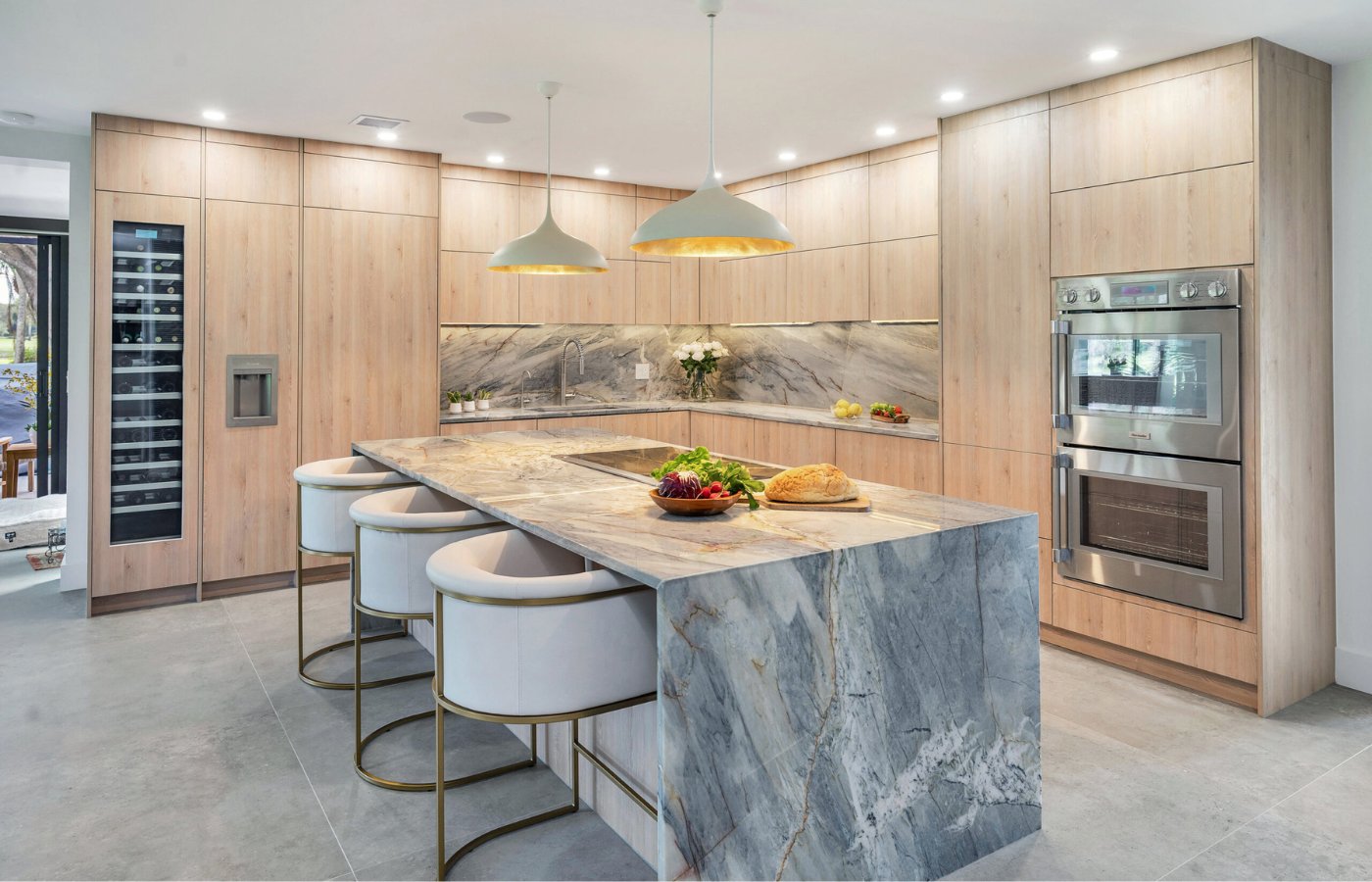
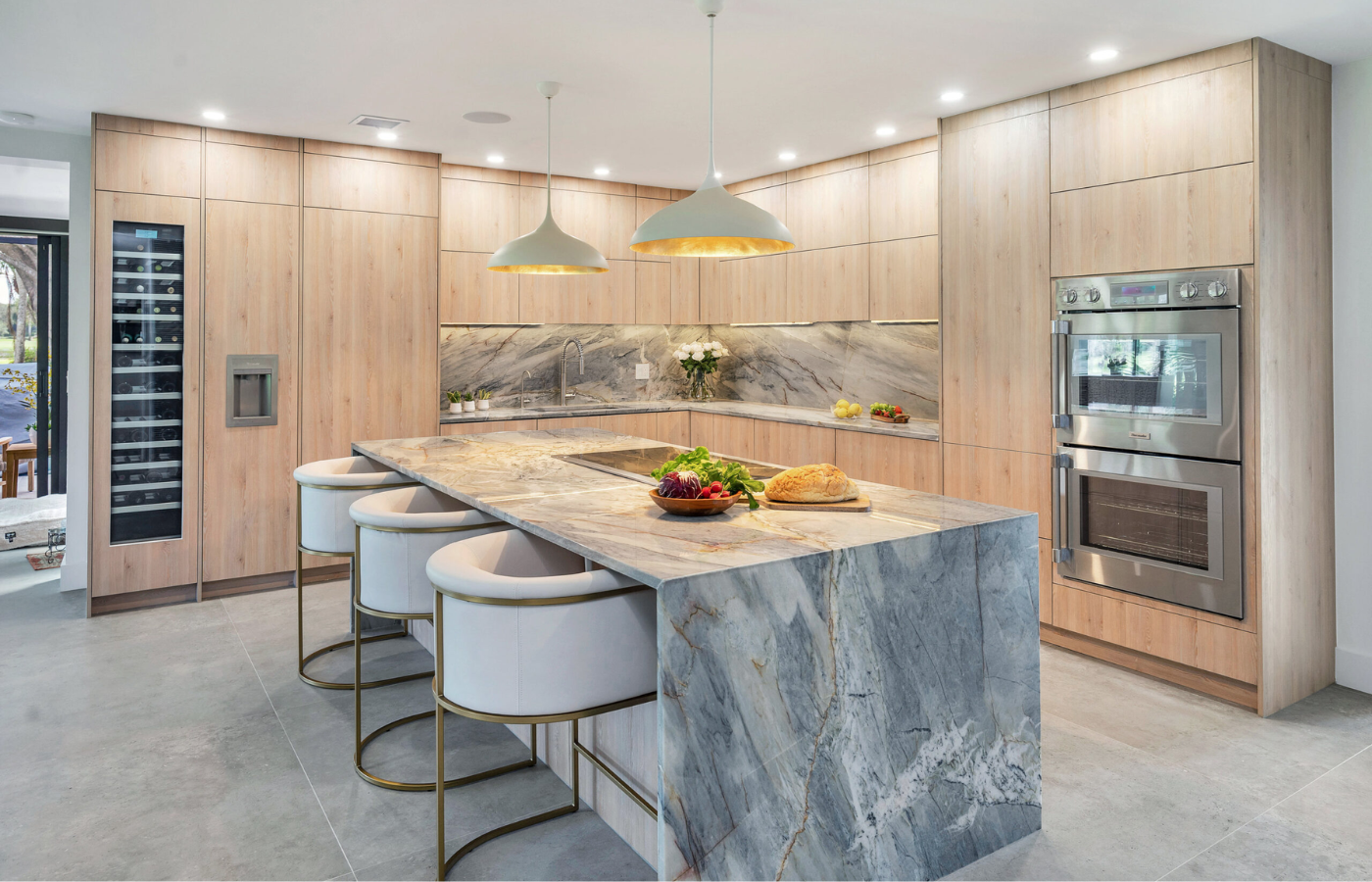
A kitchen or bathroom can feature beautiful materials on their own, yet still feel slightly disconnected once everything is installed. The countertop looks refined, the flooring is well-chosen, but something does not fully come together. At Design Surfaces, we guide Cleveland homeowners through one of the most overlooked design decisions: how to match countertops with flooring in a way that feels intentional, balanced, and elevated. When these two surfaces work together, the entire space gains clarity and cohesion.
Countertops and flooring anchor the visual structure of a space. They cover the largest surfaces and influence how everything else is perceived.
When they align properly, they:
When they do not, even high-end materials can feel mismatched.
Understanding how to match countertops with flooring ensures that each element contributes to a unified design.
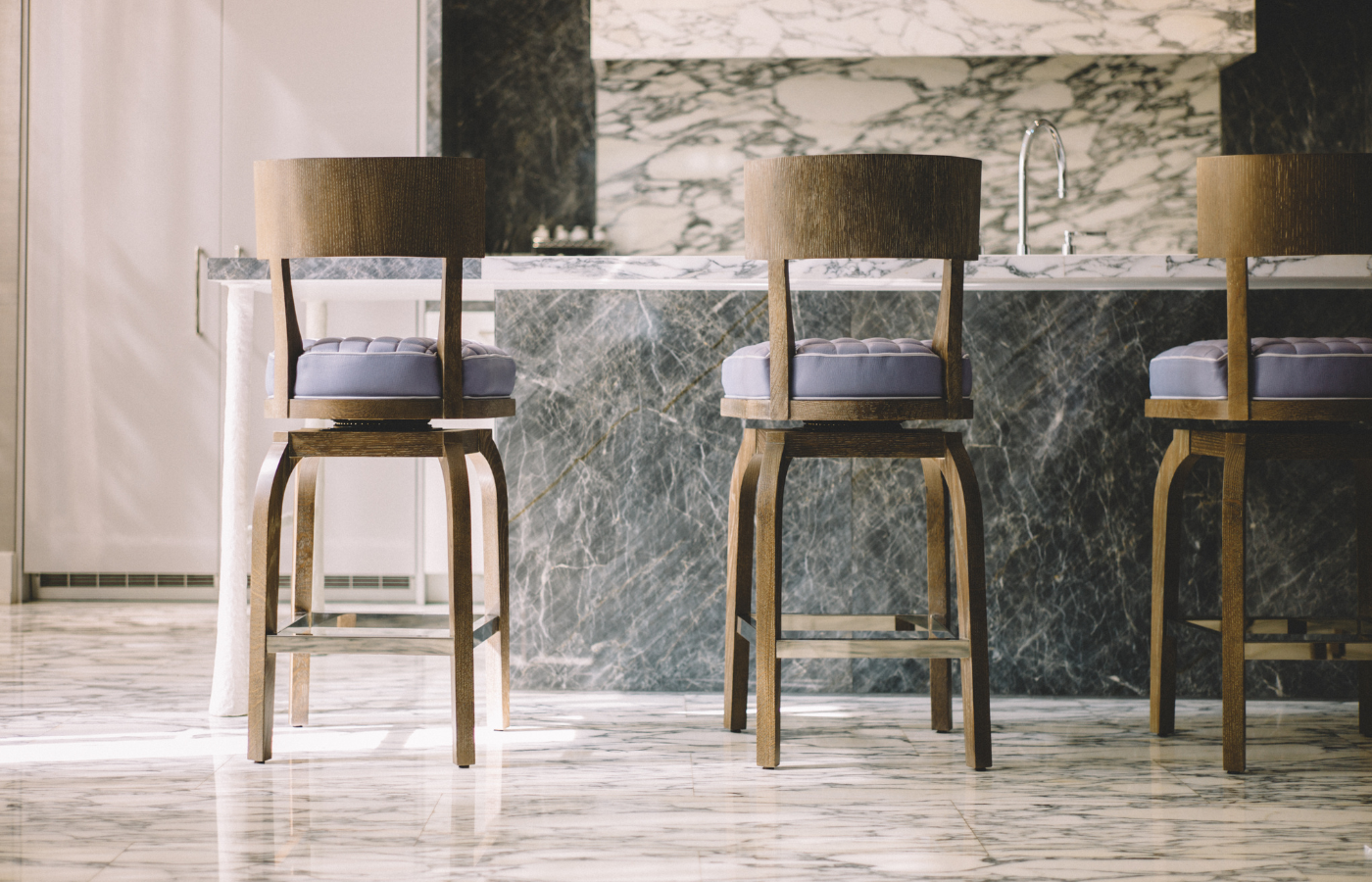
One of the most common mistakes is matching colors without considering undertones.
A gray floor, for example, may lean:
A countertop that conflicts with these undertones can create subtle tension that is difficult to identify but easy to feel.
Instead, focus on:
This approach creates harmony without requiring exact color matching.
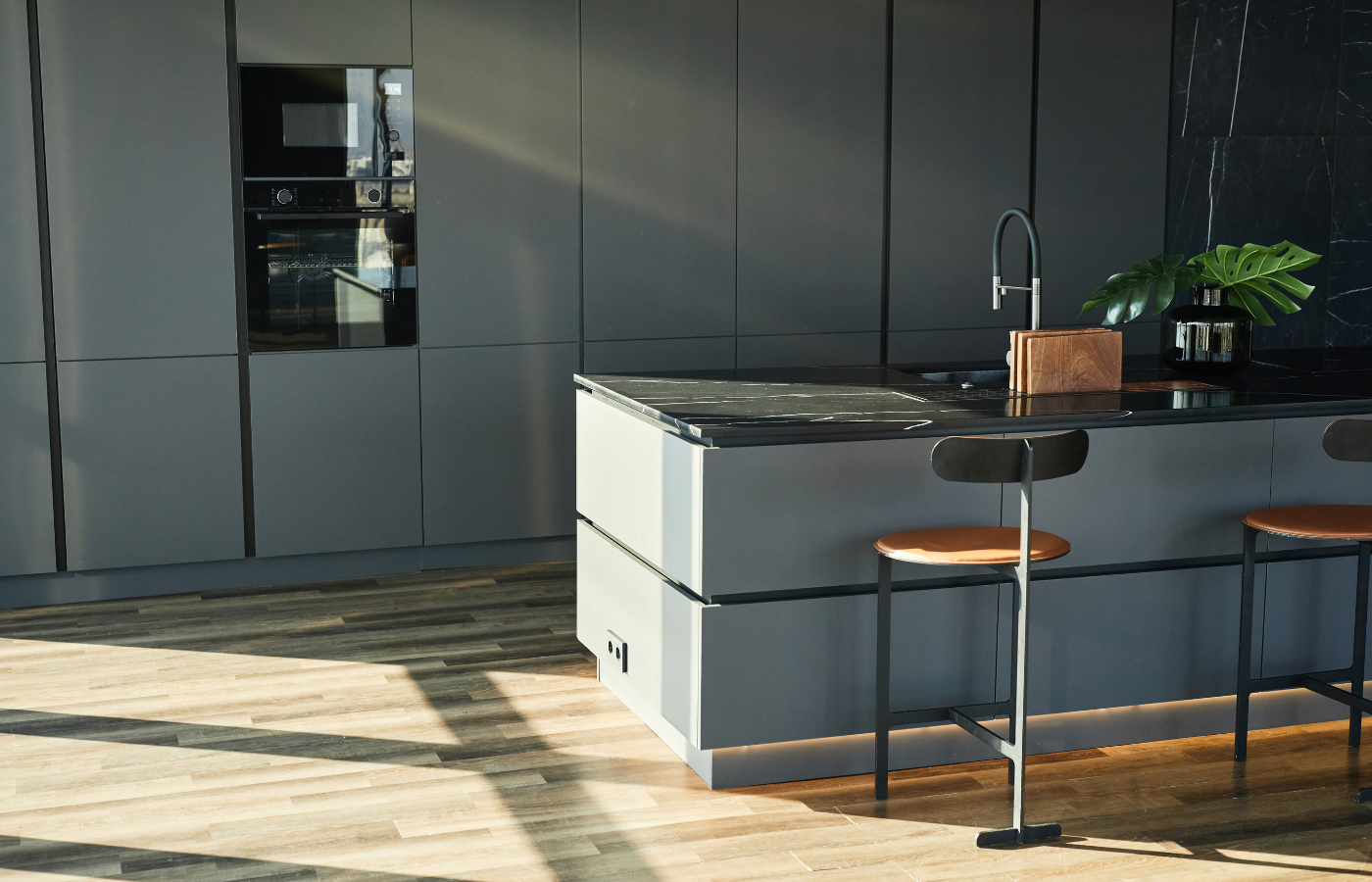
A well-designed space often balances contrast and continuity.
When countertops and flooring stay within a similar tonal family, the space feels seamless and open.
Introducing contrast can define different zones and add depth.
The key is to ensure the contrast feels intentional rather than accidental.
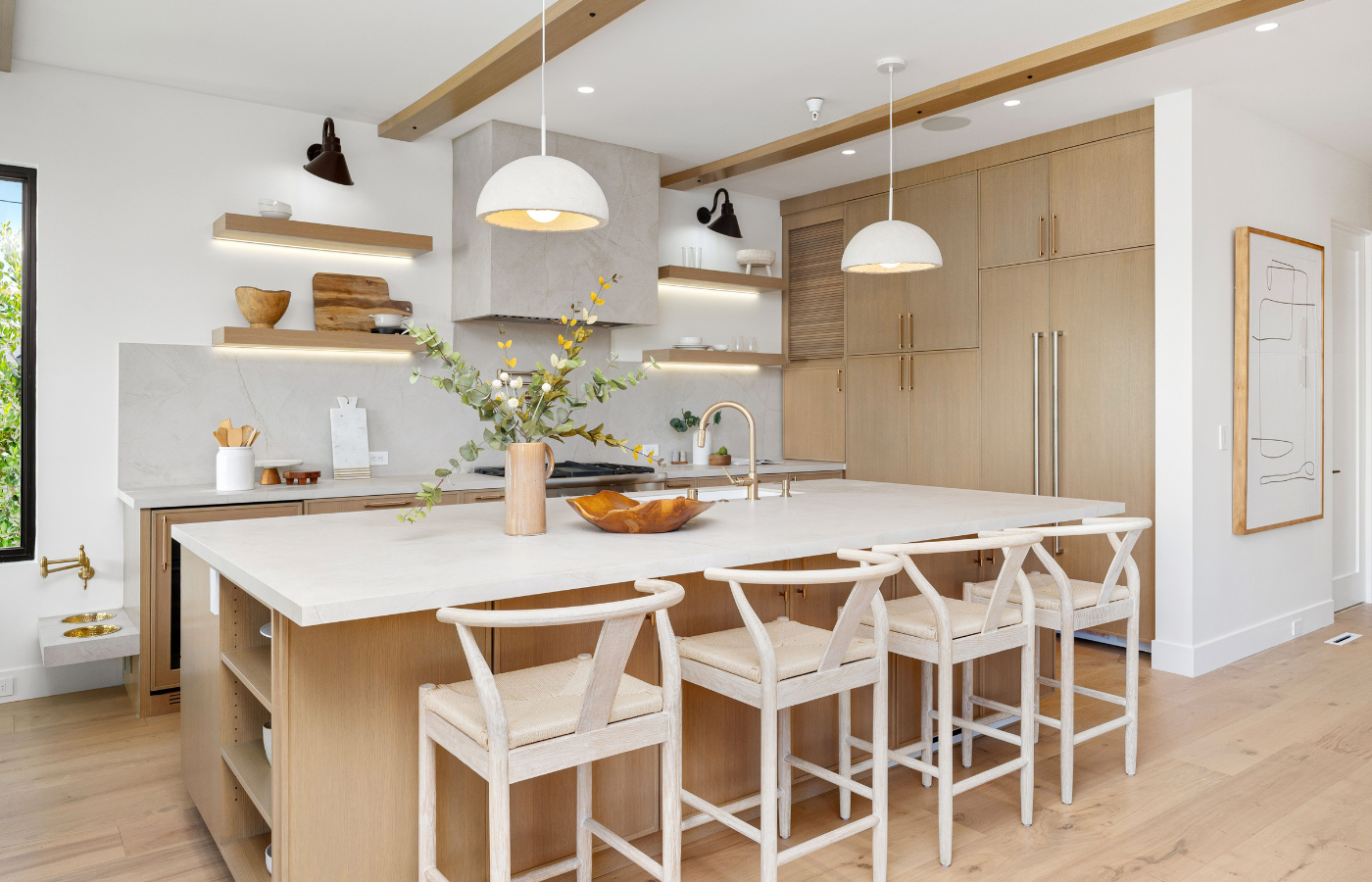
Trying to make both the countertop and flooring the focal point can create visual competition.
Instead:
For example:
This hierarchy creates clarity and prevents the space from feeling crowded.
Pattern plays a significant role in how surfaces interact.
Too much movement in both the countertop and flooring can overwhelm the space. Too little can make it feel flat.
A balanced approach includes:
When selecting how to match countertops with flooring, think of pattern as a way to guide the eye rather than compete for it.
Certain combinations tend to create strong, reliable results.
These pairings succeed because they balance tone, texture, and visual weight.
Natural and artificial light influence how materials appear throughout the day.
In Cleveland homes, where lighting conditions can shift seasonally:
Viewing materials under real lighting conditions is essential before making final decisions.
In open layouts, the relationship between flooring and countertops extends beyond a single room.
To maintain continuity:
This approach creates a more expansive and connected feel.
While aesthetics are central, performance should also guide decisions.
High-traffic areas benefit from flooring that resists wear, paired with countertops that maintain their surface integrity.
Materials should be easy to clean and maintain, especially in kitchens and bathrooms.
Consider how the space is used daily and select materials that support those habits.
Balancing these factors ensures that the design remains functional over time.
One of the most effective strategies is to use the countertop to connect different elements in the space.
A well-chosen surface can:
This makes the countertop more than a surface. It becomes a central design element.
Samples alone rarely provide enough context. Materials should be viewed together whenever possible.
Seeing full slabs alongside flooring options allows you to:
At Design Surfaces, we guide this process carefully, serving homeowners, designers, and contractors across Cleveland who want confident, well-informed decisions.
Even strong materials can fall short if they are not paired correctly.
Common issues include:
Awareness of these pitfalls helps ensure a more cohesive result.
A well-matched countertop and floor do more than look good together. They create a sense of order and intention throughout the space.
Understanding how to match countertops with flooring allows homeowners to move beyond guesswork and toward a design that feels balanced from every angle.
The goal is coordination, not exact matching. A cohesive kitchen design often uses complementary tones, shared undertones, and balanced contrast rather than identical colors. This creates visual harmony while allowing each material to retain its own character.
There is no universal rule, but many successful kitchen designs create contrast between the two surfaces. Dark flooring often pairs well with lighter countertops, while lighter floors can support either light or dark countertops depending on the desired aesthetic and overall color palette.
Undertones are often more important than color itself. Warm countertops typically work best with warm flooring tones, while cool countertops pair more naturally with cool flooring. Matching undertones helps create a space that feels cohesive and intentional.
Yes. Some of the most sophisticated kitchen designs combine different materials. Quartz countertops, natural stone, hardwood flooring, porcelain tile, and luxury vinyl flooring can work beautifully together when tone, texture, and visual weight are balanced correctly.
Designers typically establish a hierarchy where one material becomes the focal point while supporting materials complement it. This prevents countertops, flooring, cabinetry, and backsplashes from competing for attention and helps create a more refined, balanced space.
Quartz countertops pair well with a wide range of flooring materials, including hardwood, wood-look porcelain tile, luxury vinyl plank, and natural stone. The key is selecting flooring that complements the quartz color, undertones, and pattern movement.
Not necessarily. In fact, pairing heavily patterned flooring with dramatic countertop veining can create visual competition. Many designers recommend allowing one surface to feature more movement while the other remains quieter and more supportive.
In open concept layouts, consistency becomes even more important. Using continuous flooring throughout connected spaces and selecting countertops that complement the broader color palette helps maintain visual flow and makes the home feel larger and more cohesive.
While no design choice guarantees a specific return on investment, cohesive material selections often contribute to stronger buyer appeal. Spaces that feel coordinated and professionally designed are generally perceived as more updated and move-in ready.
Many designers recommend selecting countertops first if they feature unique veining, movement, or color variation. Flooring options are often available in a wider range of styles, making it easier to find a complementary match once the countertop has been selected.
The most successful interiors are not defined by individual materials, but by how those materials work together.
By aligning tone, pattern, and proportion, countertops and flooring can transform a space into one that feels cohesive, refined, and enduring. With the right guidance, these decisions become clear, and the final result feels effortless.
Design Surfaces offers the expertise and material selection needed to bring that clarity into focus, helping you create a space that feels complete from the ground up.
Call: 440.899.9900 • Contact: Submit a Request • Email: info@designsurfaces.com


