Contact info +
.png)
.png)
.png)
Showroom Hours:
Mon-Fri - 9AM-5PM | Sat - 10AM-2PM | Sun - Closed
Mon-Fri - 9AM-5PM | Sat - 10AM-2PM | Sun - Closed


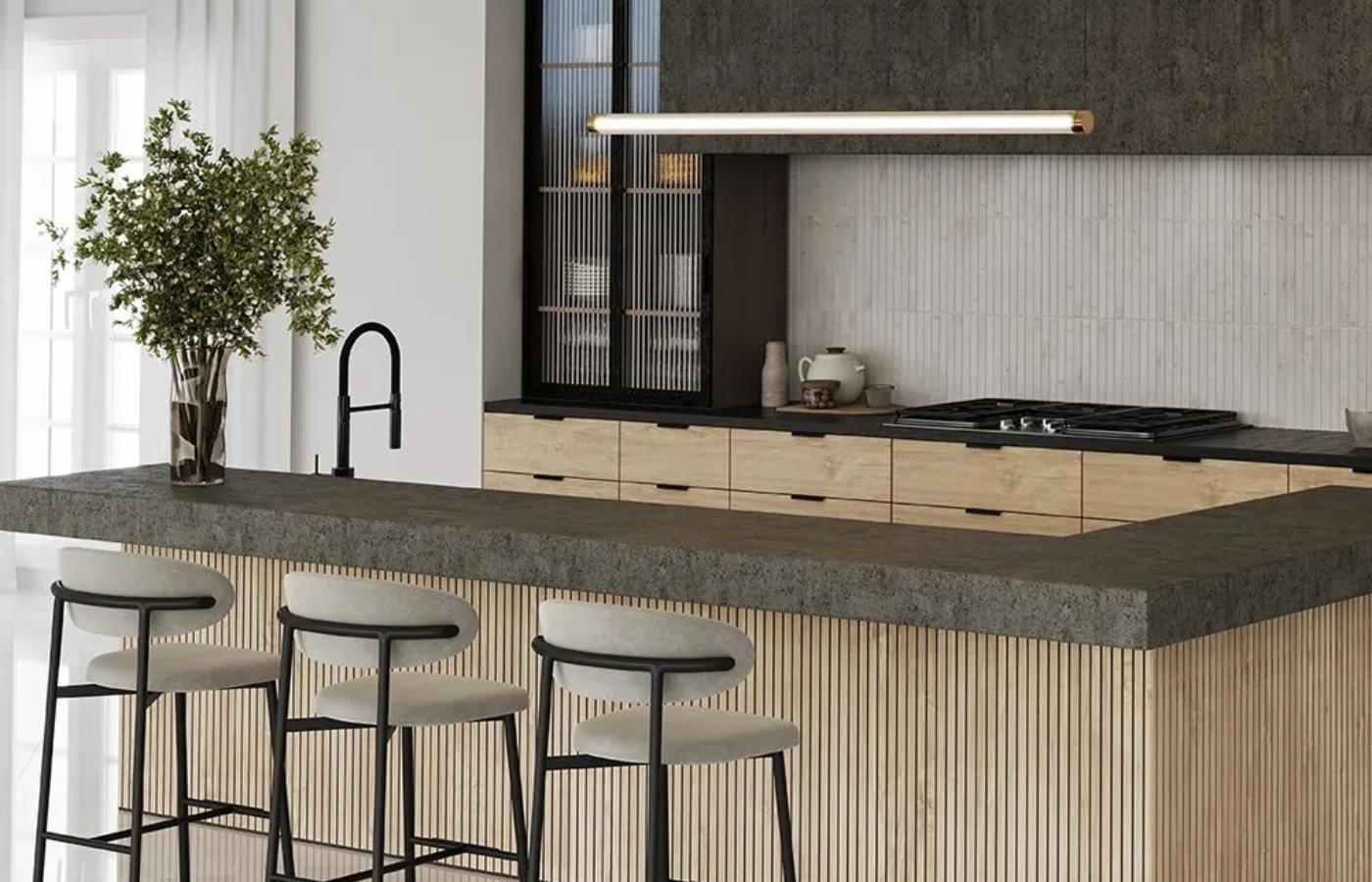
A beautiful stone countertop is more than a work surface. It is a long-term investment that shapes the entire look and feel of your home. From granite and quartz to marble, dolomite, quartzite, porcelain, and soapstone, every material requires proper cleaning and care to preserve its beauty and performance. At Design Surfaces in Westlake, serving homeowners, designers, and contractors across Cleveland, we guide you toward choosing the right surfaces and maintaining them with confidence. With the right routine and the right products, your countertops can look stunning for decades.
Every stone surface has unique characteristics, and proper maintenance ensures you protect color, finish, and structural integrity. Routine care helps you:
Choosing the correct cleaner and knowing what to avoid is essential for long-term performance.
Below is the updated, accurate care guidance based on Design Surfaces’ official recommendations.
Granite is durable, but it is still porous and requires proper maintenance.
Daily Cleaning: Use pH-neutral cleaners or Custom AquaShield Cleaner & Resealer from Design Surfaces for everyday cleaning and sealing in one step.
Avoid:
Sealing: Use Custom Sealer’s Choice Gold annually or biannually for maximum stain protection.
Quick Tips:
Marble is elegant but sensitive to acids and abrasive products.
Daily Cleaning: Use warm water and a mild, pH-neutral cleaner or Custom AquaShield Cleaner & Resealer.
Avoid:
Sealing: Seal regularly with Sealer’s Choice Gold.
Stain Removal:
Dolomite is often chosen for its marble-like appearance but requires similar care.
Daily Cleaning: Use AquaShield Cleaner & Resealer or a mild pH-neutral cleaner.
Avoid:
Sealing: Apply Sealer’s Choice Gold once or twice a year.
Tip: Always use hot pads and trivets to protect the surface.
Quartzite is strong and heat-resistant but still benefits from protection.
Daily Cleaning: pH-neutral cleaner or Custom AquaShield Cleaner & Resealer.
Maintenance: Seal annually with Sealer’s Choice Gold.
Tips:
Quartz is nonporous and easy to maintain, ideal for busy households.
Daily Cleaning: Mild dish soap and water or non-abrasive cleaner.
Avoid:
Tough Stains: Use Custom NanoScrub, available at Design Surfaces.
Tip: Scrape dried spills with a plastic scraper.
Porcelain offers excellent durability and resistance to stains, heat, and chemicals.
Daily Cleaning: Warm water, mild dish soap, and a microfiber cloth.
Avoid: Abrasive pads that can dull the finish.
Maintenance: No sealing required.
Soapstone is nonporous and naturally stain-resistant.
Daily Cleaning: Standard dish soap and water.
Optional: Use mineral oil to deepen color and enhance veining.
Durability: Scratches can be sanded and re-oiled.
Regardless of material, always follow these universal care tips:
To prevent damage, avoid:
These mistakes can cause etching, discoloration, scratching, or long-term structural issues.
Even with proper care, some stone countertop issues require expert restoration rather than DIY fixes. Homeowners should contact a professional if they notice deep etching on marble, burn marks from hot pans, chips or cracks, or stains that have been absorbed into unsealed stone. Dull or heavily worn granite may also need a professional re-polishing, while quartz discoloration is often heat damage that cannot be corrected at home. Design Surfaces partners with trusted stone care specialists who can restore the surface safely and help extend the life of your investment.
The best way to clean stone countertops is with a pH-neutral stone cleaner and a soft microfiber cloth. Natural stone surfaces such as granite, marble, quartzite, and dolomite can be damaged by acidic or abrasive products, so using stone-safe cleaners is essential for protecting the finish and extending the life of your countertops.
Proper stone countertop maintenance includes:
These simple habits help preserve both appearance and long-term performance.
No. Vinegar, lemon juice, bleach, ammonia, and other harsh cleaners should never be used on natural stone countertops. These products can damage sealers, dull finishes, cause etching, and permanently affect the appearance of the stone.
Most granite countertops benefit from sealing every one to two years, depending on usage and the type of sealer applied. Regular sealing helps protect against stains, moisture absorption, and everyday wear while preserving the natural beauty of the stone.
No. Quartz countertops are non-porous and do not require sealing. However, homeowners should still avoid excessive heat, harsh chemicals, and abrasive scrubbers to keep quartz surfaces looking their best.
Quartz and porcelain countertops are generally considered the lowest-maintenance countertop materials. Both resist staining, moisture, and bacteria, do not require sealing, and can typically be cleaned with mild soap and water.
The best stain-removal method depends on both the stain and the countertop material.
Avoid experimenting with aggressive cleaners that may cause additional damage.
Hard water stains are caused by mineral buildup left behind by water evaporation. Use a stone-safe cleaner designed for granite and natural stone surfaces. Avoid vinegar or acidic products, as they can damage sealers and affect the countertop's finish.
It is not recommended. While granite and quartzite offer excellent heat resistance, sudden temperature changes can still stress the material. Quartz countertops are especially vulnerable to heat damage and discoloration. Using trivets and hot pads is always the safest option.
No. Cutting directly on any countertop surface can damage knives and may scratch certain materials over time. Using a cutting board helps protect both the countertop and your kitchen tools.
Granite countertops should be cleaned with a pH-neutral cleaner specifically formulated for natural stone. Products designed for daily stone care help preserve sealers while removing dirt, grease, and everyday residue.
Marble countertop care requires extra attention because marble is more susceptible to etching and staining than many other surfaces. Clean spills immediately, use stone-safe cleaners, avoid acidic foods and beverages, and maintain a regular sealing schedule to preserve its beauty.
No. Porcelain countertops are among the easiest surfaces to maintain. They resist stains, heat, moisture, and UV exposure, require no sealing, and can typically be cleaned using warm water, mild soap, and a microfiber cloth.
With proper care, granite, quartzite, marble, dolomite, soapstone, quartz, and porcelain countertops can last for decades. Consistent cleaning, appropriate sealing, and preventative maintenance all contribute to maximizing countertop lifespan and preserving value.
Consider professional stone restoration if you notice:
Professional restoration services can often repair damage and restore the countertop's original appearance.
The most effective way to protect stone countertops is through consistent preventative care. Clean surfaces with stone-safe products, seal natural stone as recommended, wipe up spills promptly, use cutting boards and trivets, and follow material-specific maintenance guidelines. These practices help preserve beauty, performance, and resale value for years to come.
Knowing how to clean stone countertops properly helps preserve your home’s beauty and functionality for years. Whether you have granite in the kitchen, marble in a spa-like bath, or quartzite on an outdoor bar, the right care routine makes all the difference. For personalized guidance and to explore premium granite, quartz, quartzite, marble, dolomite, porcelain, and soapstone slabs in person, visit the Design Surfaces showroom in Westlake. Serving Cleveland’s west side communities, including Bay Village, Rocky River, Lakewood, and Avon, our experts will help you choose the perfect surface and maintain it with confidence.
Call: 440.899.9900 • Contact: Submit a Request • Email: info@designsurfaces.com


