Contact info +
.png)
.png)
.png)
Showroom Hours:
Mon-Fri - 9AM-5PM | Sat - 10AM-2PM | Sun - Closed
Mon-Fri - 9AM-5PM | Sat - 10AM-2PM | Sun - Closed


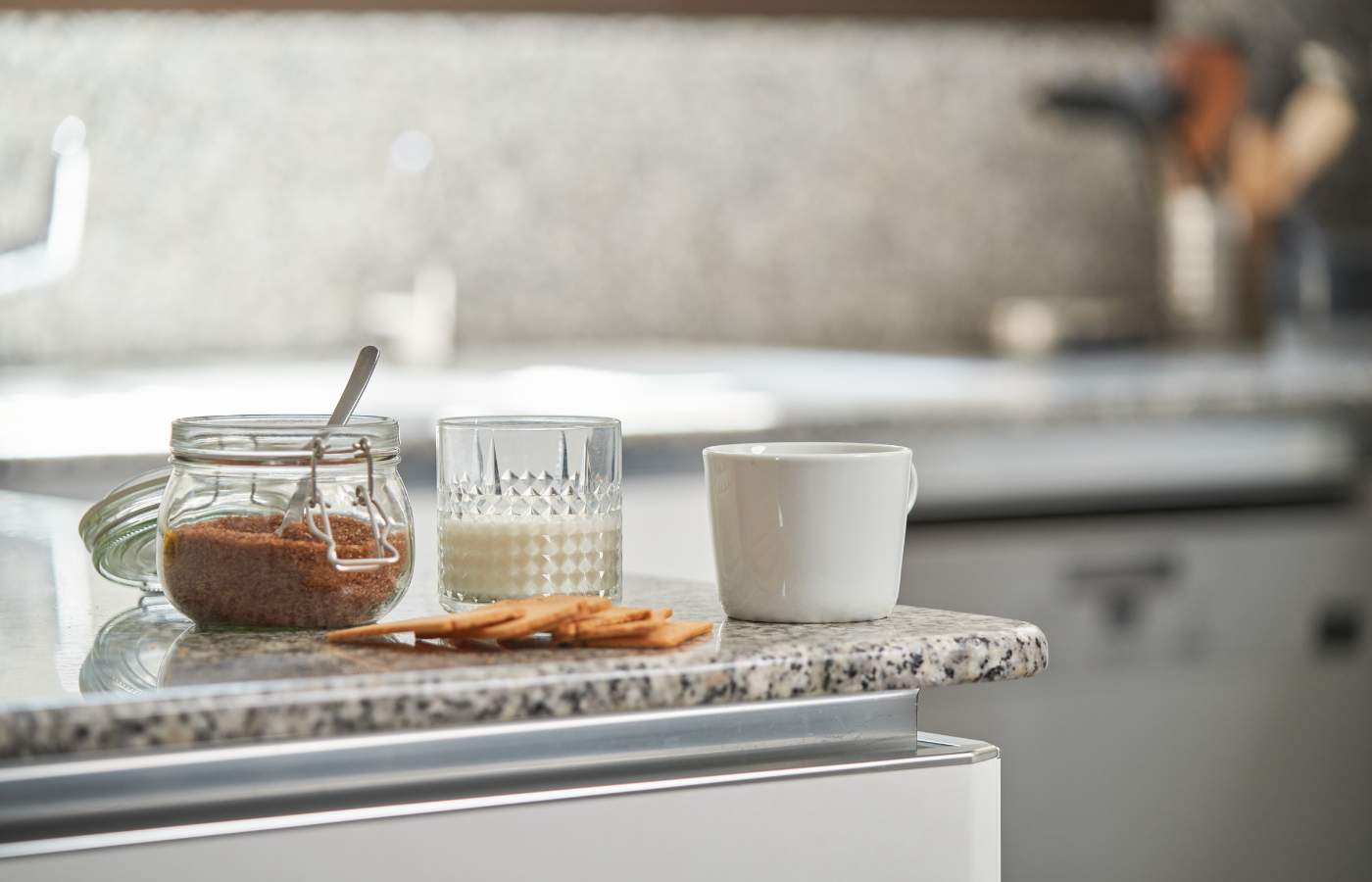
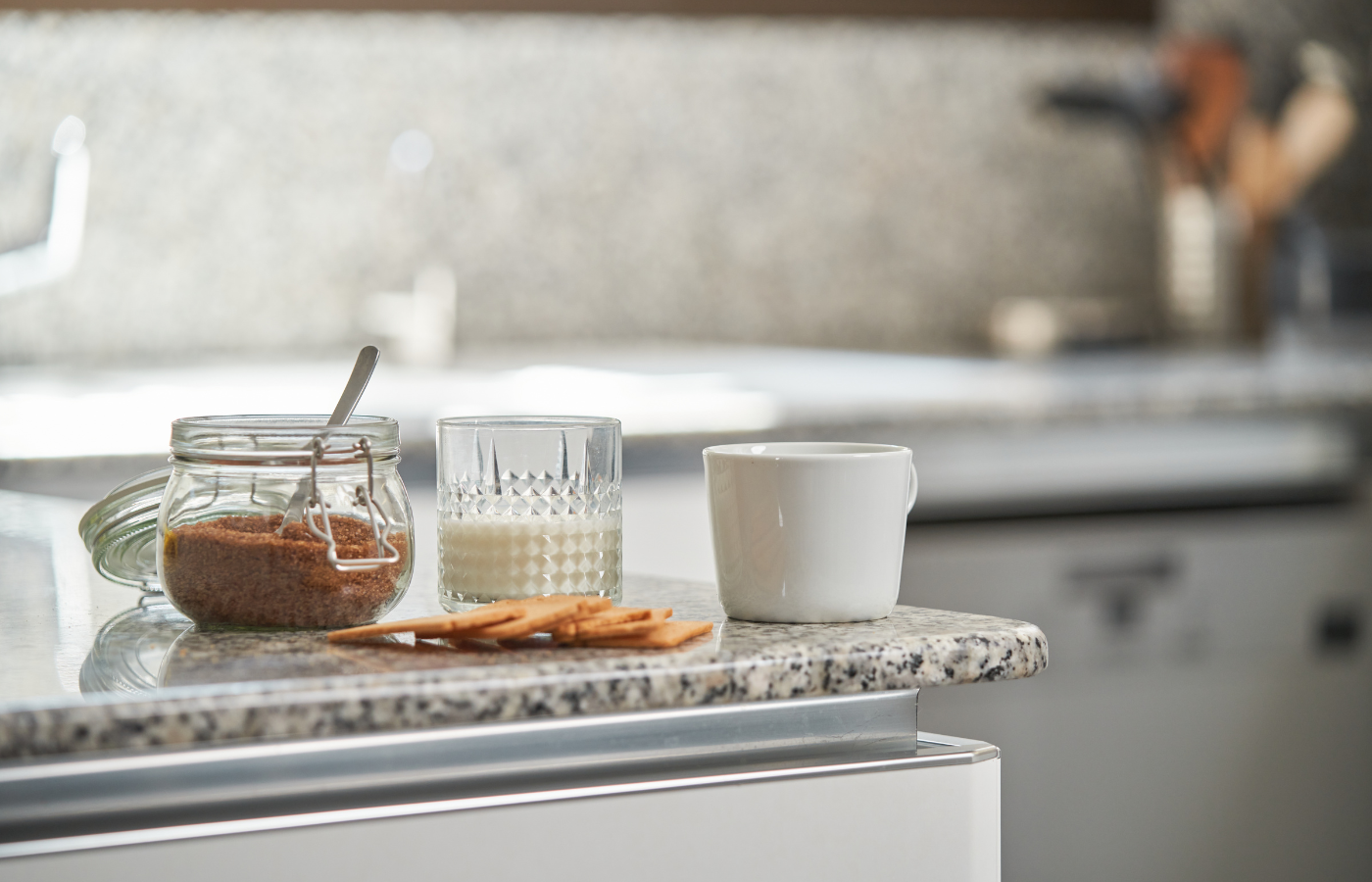
A pan comes straight off the burner, still radiating heat, and instinct takes over. It lands on the nearest surface. In that moment, the difference between materials becomes more than a design decision. It becomes a test of performance. At Design Surfaces, we guide Cleveland homeowners through these real-life considerations every day. Understanding granite vs quartz heat resistance real test results is not about theory. It is about how each surface responds when your kitchen is used the way it was meant to be used.
Heat resistance is one of the most misunderstood aspects of countertop performance. Many homeowners assume all stone surfaces behave the same, yet the differences are significant.
In a kitchen environment, surfaces are exposed to:
A countertop that handles heat well maintains its integrity over time. One that does not may develop discoloration or surface stress. This is where a true granite vs quartz heat resistance real test becomes valuable.
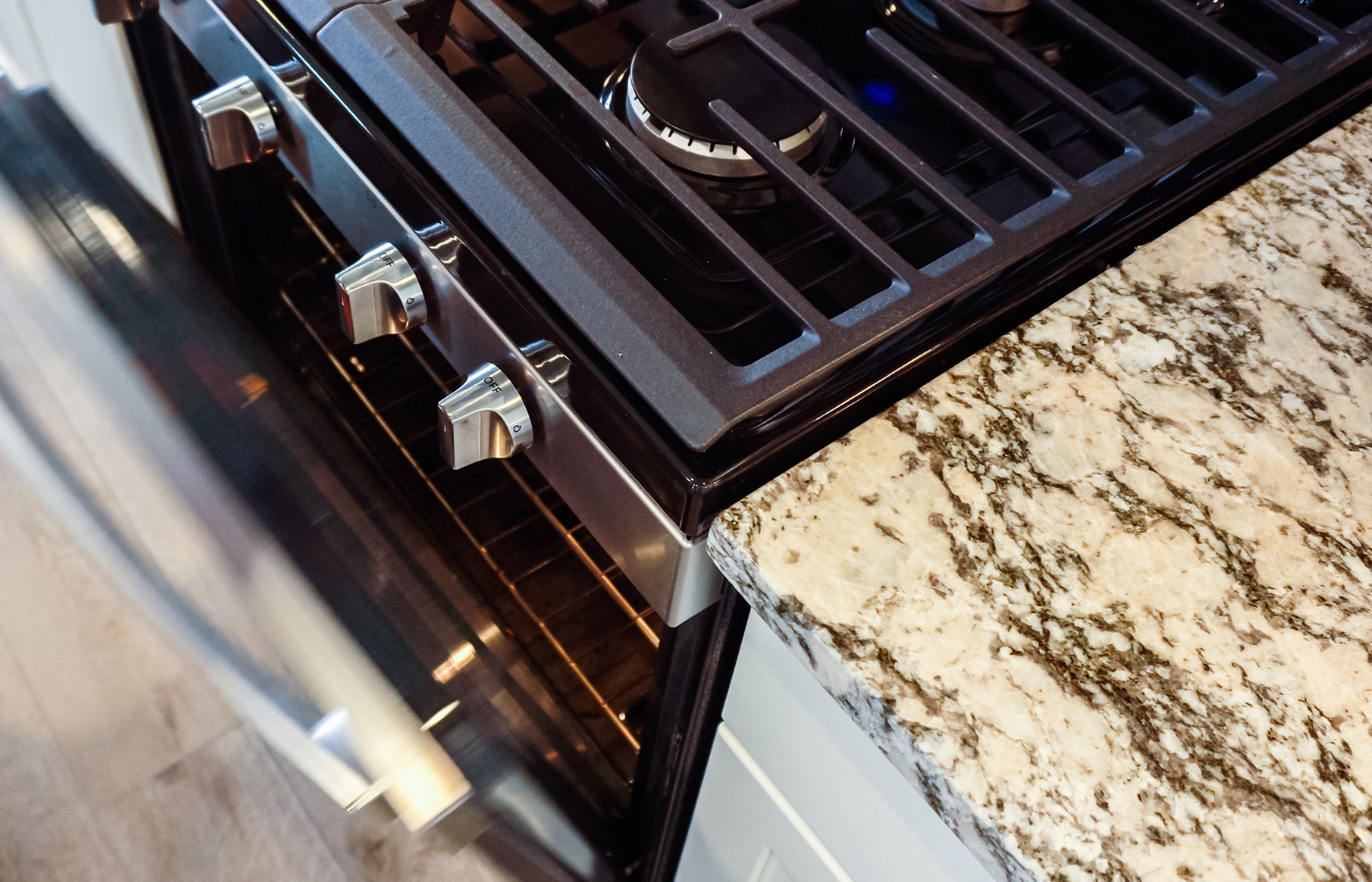
Before comparing performance, it is important to understand what each material is made of.
Granite is a natural stone created under intense heat and pressure deep within the earth. This process gives it an inherent ability to withstand high temperatures.
Quartz is manufactured using natural quartz particles combined with resins and pigments. These resins provide structure and uniformity, but they also influence how the material reacts to heat.
This fundamental difference explains why these materials perform differently under high temperatures.
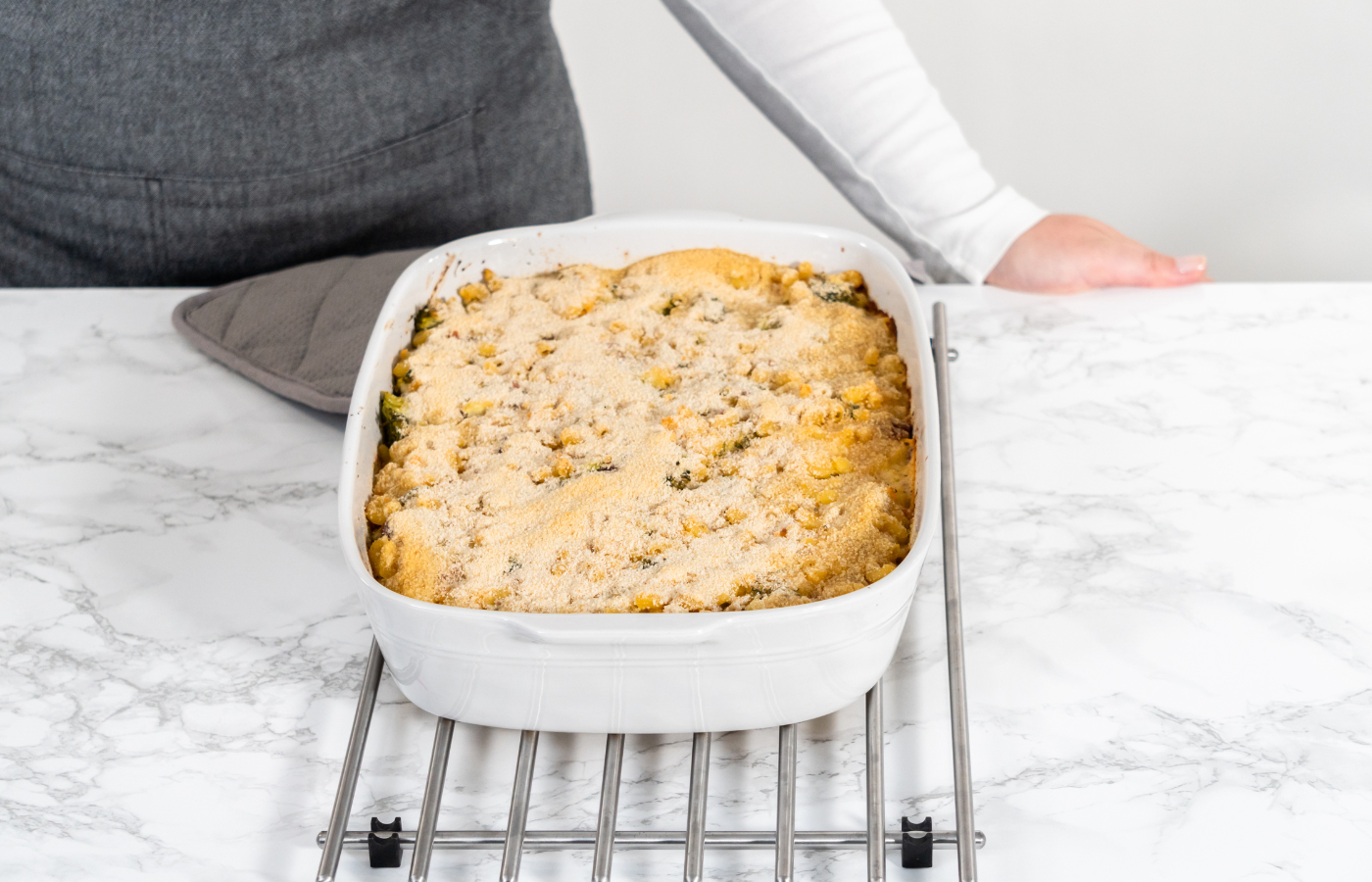
When comparing granite vs quartz heat resistance real test conditions, the results are clear.
Granite can typically handle direct contact with hot cookware without immediate damage. A pot removed from the stove can be placed on granite briefly without affecting the surface.
This resilience makes granite well suited for kitchens where cooking is frequent and fast-paced.
Quartz performs well under moderate heat, but direct contact with high temperatures can affect the resin within the material.
In real-world conditions, placing a very hot pan directly on quartz may lead to:
This does not mean quartz is fragile. It simply means it requires a more intentional approach.
In daily kitchen routines, the difference between these materials becomes more apparent.
For homeowners who:
Granite offers more flexibility.
For those who:
Quartz remains a strong and practical option.
Understanding granite vs quartz heat resistance real test outcomes allows homeowners to align material choice with lifestyle.
Heat resistance is only one part of the decision. The material must also support the overall design of the space.
Granite introduces natural variation and depth. Each slab is unique, which can create a more organic, layered aesthetic.
Quartz offers consistency and control. It allows for precise color matching and a more uniform look, which is often preferred in modern kitchens.
The right choice depends on how performance and design priorities intersect.
Heat exposure over time can influence how a countertop ages.
Granite, with its natural structure, tends to maintain its appearance even with occasional direct heat exposure. Regular sealing is required, but heat itself is rarely a concern.
Quartz requires less maintenance overall, but heat protection becomes part of daily use. Simple habits, such as using trivets, ensure the surface maintains its original finish.
At Design Surfaces, we help homeowners evaluate these factors carefully, serving homeowners, designers, and contractors across Cleveland who want both durability and design integrity.
Not all surfaces react visually in the same way.
Darker countertops may show heat-related changes more clearly, especially if the finish is polished.
Subtle patterns or mid-tone colors can help minimize the visibility of minor surface changes.
Finish also plays a role. Softer finishes may diffuse light differently, making small imperfections less noticeable.
These details influence not only performance but also how the surface is perceived over time.
Rather than asking which material is better, it is more useful to ask which is better suited for a specific kitchen.
Granite is often the right choice when:
Quartz is often preferred when:
This perspective turns the granite vs quartz heat resistance real test into a design decision rather than a limitation.
Heat resistance is a functional characteristic, but it should be evaluated alongside visual and tactile qualities.
Visiting a showroom allows homeowners to:
This experience often clarifies which material feels right, both aesthetically and practically.
The most successful kitchens are not defined by a single feature. They are the result of balanced decisions that consider both performance and design.
Heat resistance is one factor, but it works alongside:
When these elements align, the result is a surface that performs well and enhances the space.
A countertop should support how a kitchen is actually used. It should feel as functional as it looks refined.
Understanding granite vs quartz heat resistance real test outcomes gives homeowners the confidence to choose a material that fits their lifestyle. Whether that means prioritizing natural durability or embracing a more controlled design, the key is making an informed decision.
The question of heat resistance is ultimately about understanding how materials behave under real conditions. Granite and quartz both offer strong performance, but they respond differently to heat.
By considering how the kitchen will be used, homeowners can select a surface that aligns with both their design goals and daily habits. At Design Surfaces, we guide this process with a focus on clarity, craftsmanship, and long-term value.
A well-designed kitchen is one where every element works together without compromise. The countertop plays a central role in that balance.
By understanding how granite and quartz respond to heat, homeowners can move beyond uncertainty and make decisions that feel intentional. The result is a space that performs beautifully and maintains its integrity over time.
Design Surfaces offers the expertise and material selection needed to bring that vision to life, helping homeowners create kitchens that feel both elevated and enduring.
Call: 440.899.9900 • Contact: Submit a Request • Email: info@designsurfaces.com


