Contact info +
.png)
.png)
.png)
Showroom Hours:
Mon-Fri - 9AM-5PM | Sat - 10AM-2PM | Sun - Closed
Mon-Fri - 9AM-5PM | Sat - 10AM-2PM | Sun - Closed



Few countertop details receive as much attention during a kitchen renovation as seams. Homeowners often spend weeks selecting the perfect material, color, and edge profile, only to become concerned when they learn that seams may be necessary.
The good news is that seams are a normal part of many countertop installations. In fact, when planned and executed correctly, they can be surprisingly difficult to notice.
At Design Surfaces, one of the most common questions we hear is about countertop seams and how to minimize them. Understanding why seams exist, where they are typically placed, and what factors affect their visibility can help homeowners make more informed decisions when selecting their surfaces.
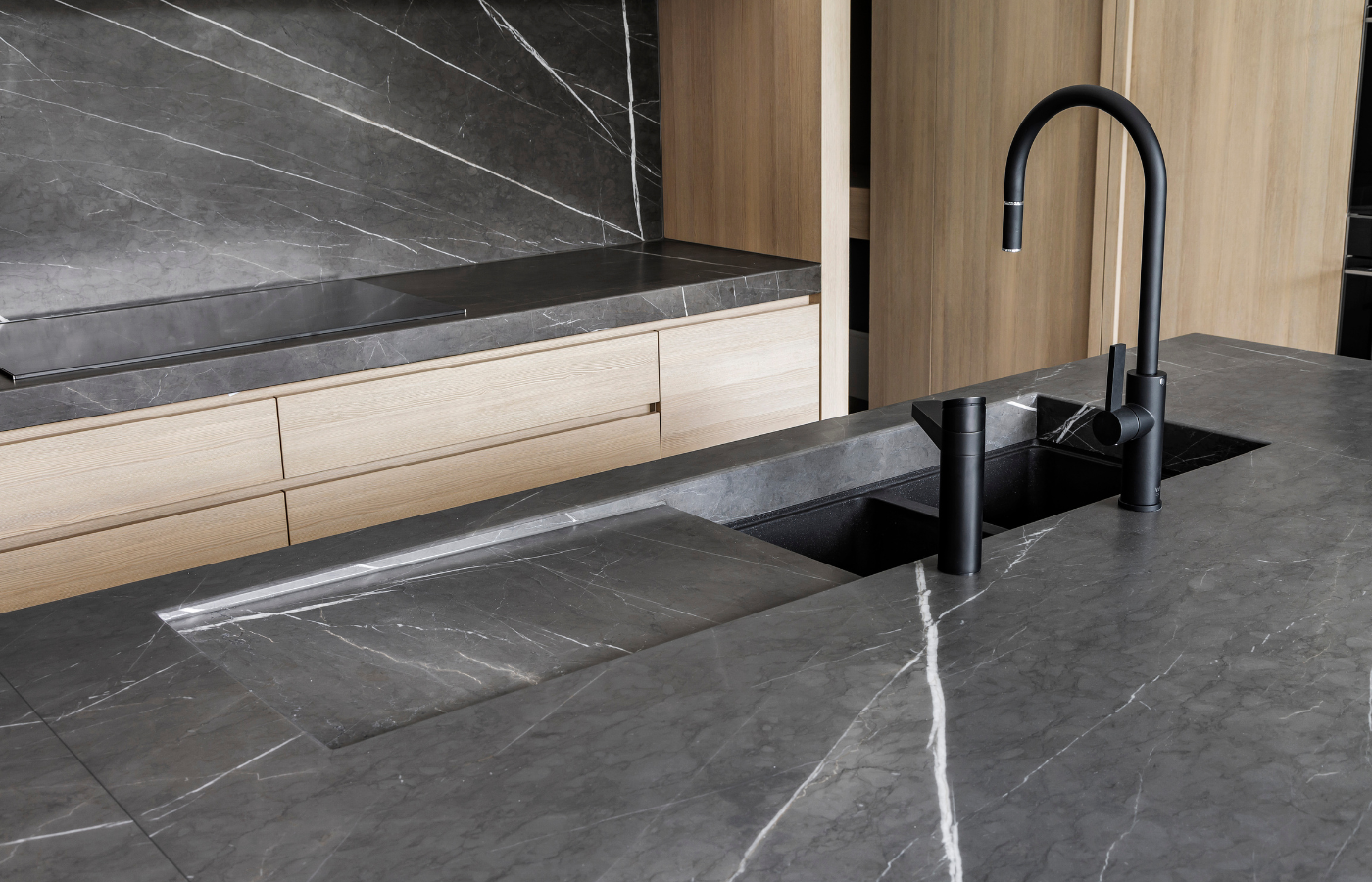
A countertop seam is the joint where two separate pieces of material meet.
While many homeowners imagine countertops being fabricated from a single slab, the reality is that slab sizes, kitchen layouts, transportation requirements, and installation logistics often make seams necessary.
Seams are most commonly found:
The goal is not always to eliminate seams entirely. Instead, it is to place and finish them in a way that makes them as unobtrusive as possible.

Several factors influence whether a seam is required.
Natural stone and engineered surfaces are manufactured in standard slab sizes. If your countertop design exceeds the dimensions of a single slab, multiple pieces will be needed.
Even when a countertop could technically be fabricated as one piece, moving a large slab through doorways, hallways, stairwells, and around corners can create significant challenges.
Breaking the countertop into sections often allows for a safer installation.
In some situations, strategic seam placement can reduce stress on the material and improve long-term stability.
Experienced fabricators carefully consider these factors before determining seam locations.

Not necessarily.
A properly fabricated seam should blend naturally into the surface and be far less noticeable than many homeowners expect.
The visibility of a seam depends on:
In many kitchens, guests may never notice a seam unless it is specifically pointed out.
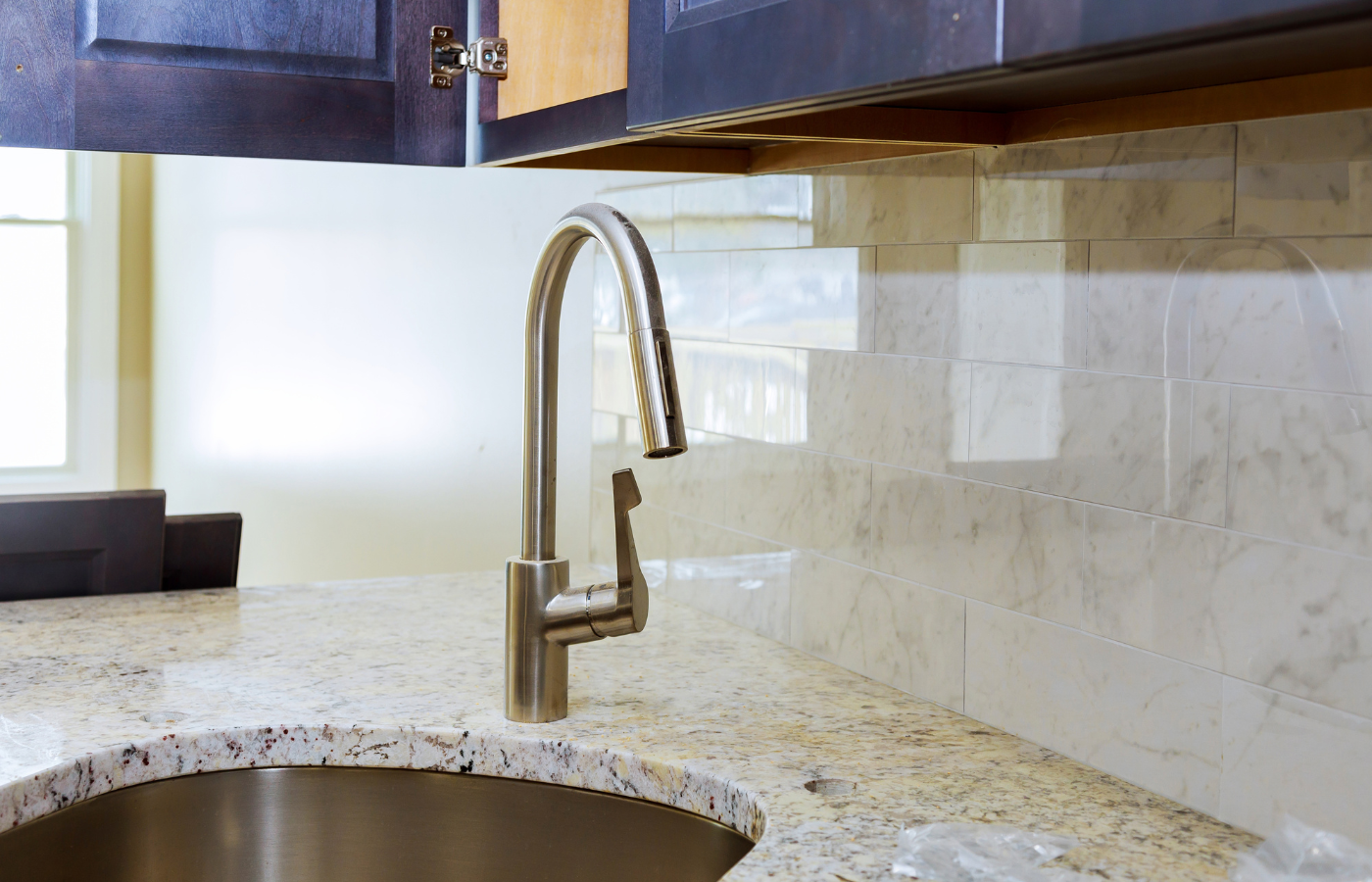
Some materials naturally conceal seams better than others.
Quartz is often one of the best options for minimizing seam visibility.
Because quartz is engineered, fabricators can often achieve better color consistency between slabs. This helps create a cleaner appearance where sections meet.
Many homeowners choose quartz specifically because seams tend to blend more easily compared to heavily patterned natural stone.
Granite can also perform well, especially when the pattern is busy or heavily textured.
Natural movement and variation help distract the eye from seam locations.
Quartzite offers dramatic natural beauty, but strong veining can make seam planning more complex.
Experienced fabricators can often align movement across slabs, though seam placement becomes especially important.
Marble can create beautiful seam transitions when the veining is carefully matched. However, because marble often contains bold directional movement, seam planning requires additional attention.
Large-format porcelain slabs have become increasingly popular because they often allow for fewer seams while maintaining a sleek, modern appearance.
Several factors can increase seam visibility.
Bold veining and dramatic movement may make seam alignment more challenging.
If two pieces come from significantly different areas of a slab or separate production batches, differences may become more apparent.
Even premium materials can look poor if seams are not fabricated accurately.
One of the easiest ways to spot a poorly executed seam is when one side sits slightly higher than the other.
Professional installation is critical for achieving a seamless appearance.
Experienced countertop fabricators use several techniques to reduce seam visibility.
One of the most effective approaches is placing seams where they naturally attract less attention.
Common locations include:
Proper placement often matters more than the seam itself.
For natural stone and marble-look surfaces, fabricators carefully align patterns and movement across seam locations.
When done well, the eye follows the design rather than the seam.
Modern seam adhesives are color matched to the countertop material.
This helps the joint blend into the surrounding surface rather than standing out.
Advanced digital templating and fabrication technology allow for tighter seam tolerances and improved consistency.
The more precise the fabrication, the less visible the final seam becomes.
Sometimes.
Smaller kitchens, bathroom vanities, and compact islands can often be fabricated from a single slab.
However, larger kitchens frequently require at least one seam due to size limitations.
Rather than focusing solely on eliminating seams, homeowners should focus on minimizing seam visibility through smart design and professional fabrication.
A well-placed seam is often preferable to forcing a larger slab into a space where installation becomes risky.
Kitchen islands are one of the most common areas where homeowners worry about seams.
As oversized islands continue to grow in popularity, slab dimensions often become a limiting factor.
Depending on the material and island size, homeowners may need to choose between:
Reviewing full slab dimensions early in the design process can help avoid surprises later.
Several design decisions can make seams less noticeable.
Many manufacturers offer jumbo slabs that accommodate larger countertop layouts.
Materials with softer movement and less dramatic veining often hide seams more effectively.
Early collaboration between designers, fabricators, and homeowners allows seam locations to be incorporated into the overall design.
The quality of fabrication and installation often determines whether a seam becomes noticeable.
This is one area where experience truly matters.
In most cases, no.
Homeowners often notice seams because they know where to look. Visitors and future buyers rarely focus on them.
What matters most is:
When those elements come together, seams become a small detail within the larger design.
One of the best ways to feel confident about seam placement is to review slab layouts before fabrication begins.
At Design Surfaces, serving homeowners, designers, and contractors across Cleveland, we help clients understand how slab dimensions, material movement, and layout planning affect the finished result.
By reviewing options early, homeowners can make informed decisions about both aesthetics and functionality.
Countertop seams are a normal part of many kitchen and bathroom projects. The goal is not always to eliminate them completely, but to ensure they are thoughtfully placed and professionally executed.
Material selection, slab size, fabrication quality, and installation all play a role in the final appearance. When planned correctly, seams blend naturally into the design and allow the countertop itself to remain the focal point.
At Design Surfaces, we help homeowners navigate these decisions with confidence, ensuring every surface is selected, fabricated, and installed with attention to both beauty and performance.
Call: 440.899.9900 • Contact: Submit a Request • Email: info@designsurfaces.com


