Contact info +
.png)
.png)
.png)
Showroom Hours:
Mon-Fri - 9AM-5PM | Sat - 10AM-2PM | Sun - Closed
Mon-Fri - 9AM-5PM | Sat - 10AM-2PM | Sun - Closed


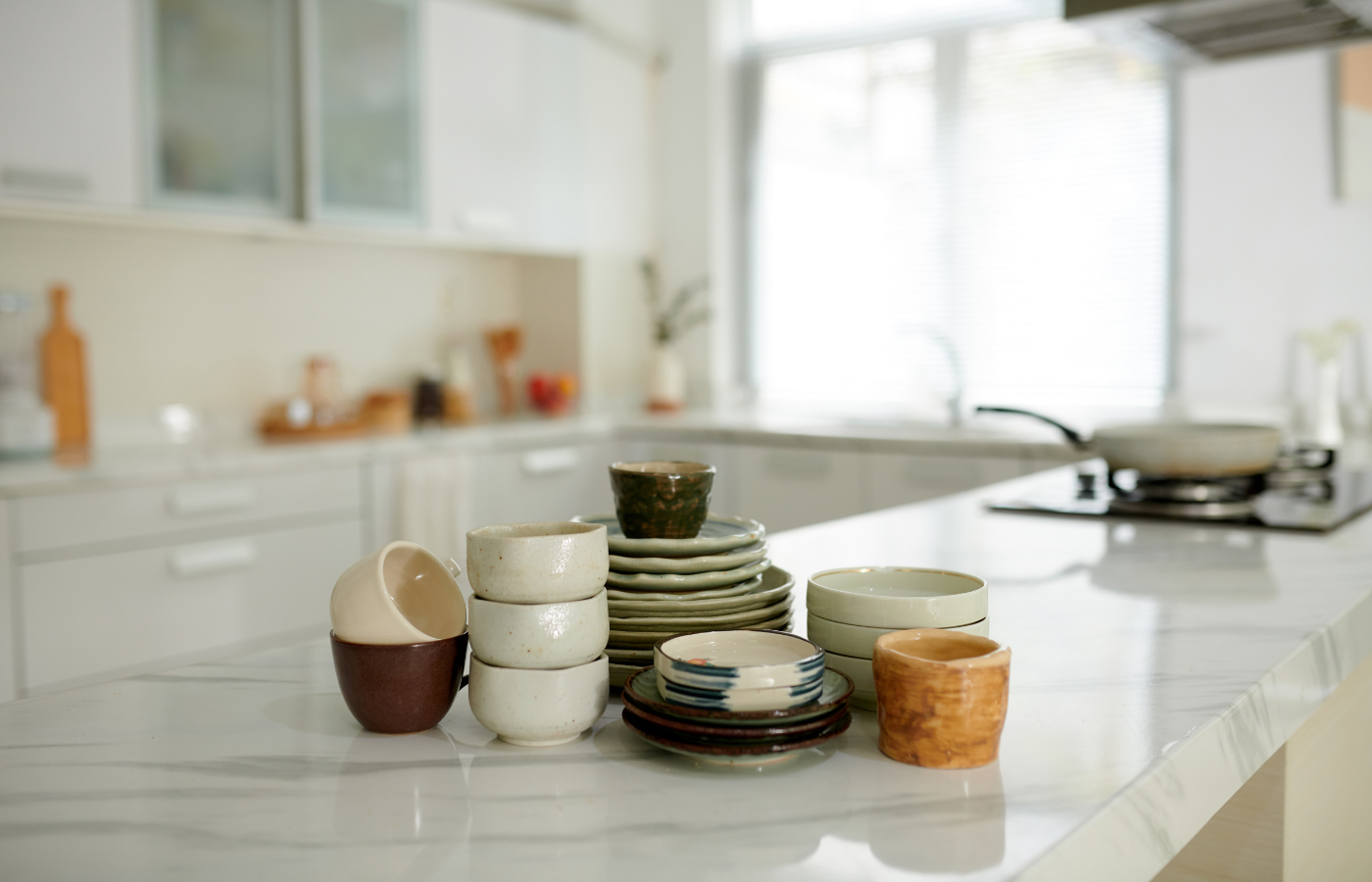
A freshly installed countertop has a certain clarity to it. Light reflects cleanly across the surface, edges feel precise, and every detail looks intentional. Then daily life begins. Cutting, sliding cookware, setting down dishes without a second thought. For many homeowners, the question quickly becomes how well that surface will hold up. At Design Surfaces, we guide Cleveland homeowners through countertop scratch resistance comparison by material so they can choose a surface that maintains both its appearance and performance over time. The right material does not just look refined on day one. It continues to do so years later.
Scratch resistance is often misunderstood as complete immunity to damage. In reality, every surface can be affected under the right conditions. The goal is to understand how each material responds to everyday use.
Scratch resistance depends on:
A highly resistant surface will better withstand common kitchen activity, while a softer material may develop visible wear more quickly. Understanding these differences is essential when evaluating countertop scratch resistance comparison by material.
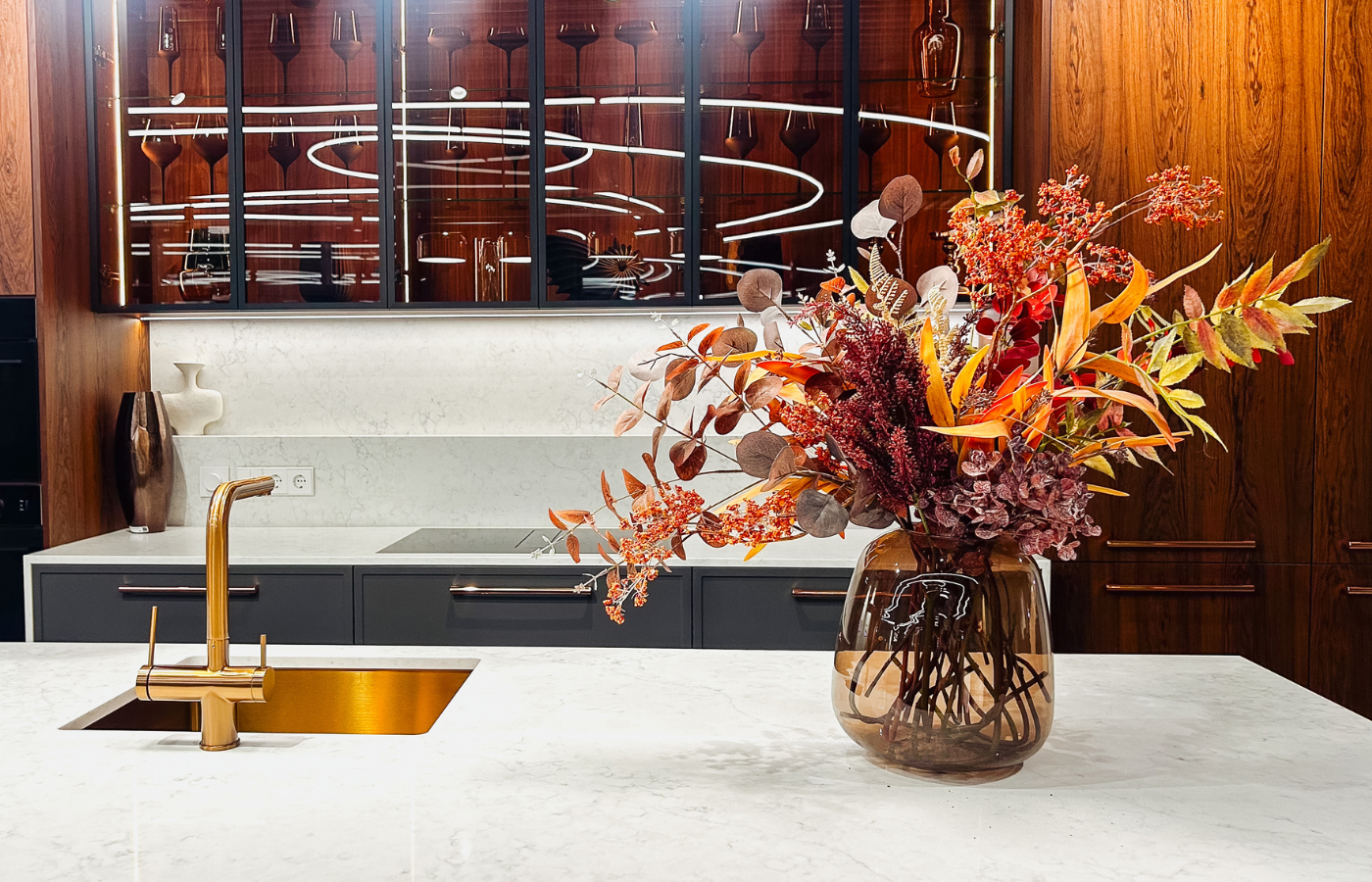
Quartz is one of the most popular choices for modern kitchens, and for good reason. Its engineered composition provides a uniform structure that resists many forms of surface wear.
In terms of scratch resistance:
While quartz is durable, it is still best to avoid direct cutting on the surface. Its strength lies in balancing resilience with ease of maintenance, making it a reliable option for high-use kitchens.
Granite has long been valued for its durability. As a natural stone formed under intense pressure, it offers strong resistance to scratching.
Key characteristics include:
Granite performs well in active kitchens, though its appearance can vary depending on the specific slab. Some finishes may show wear more subtly than others.
Quartzite is often considered one of the most durable natural stone options available. It combines striking visual movement with impressive strength.
When comparing scratch resistance:
Quartzite is often selected by homeowners who want both performance and a more dramatic, natural aesthetic.
Marble is known for its timeless beauty, but it requires a different approach when considering durability.
In a countertop scratch resistance comparison by material, marble:
For some homeowners, this evolution is part of its appeal. For others, it requires a willingness to accept visible wear as part of the design.
Porcelain and sintered materials have become increasingly popular for their performance-driven properties.
These surfaces offer:
Their density and manufacturing process create a surface that performs well in kitchens that demand both durability and clean design.
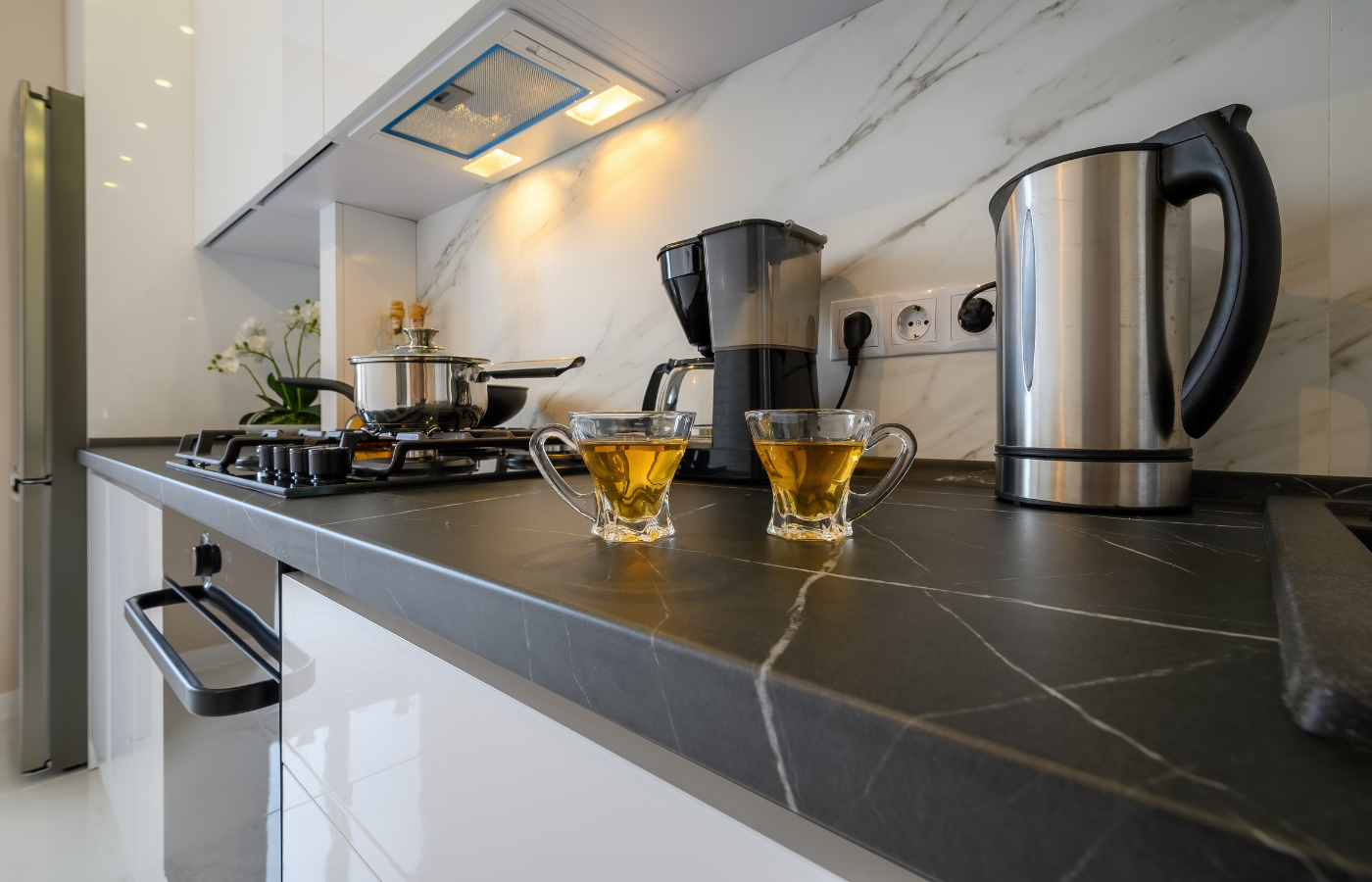
Material is only part of the equation. The finish of the surface also plays a role in how scratches appear.
Polished surfaces reflect light more directly, which can make fine scratches more visible under certain conditions.
Softer finishes diffuse light, helping to minimize the appearance of minor surface marks.
Choosing the right finish can enhance both the look and long-term performance of the countertop.
Even the most durable materials benefit from thoughtful use. Small habits can extend the life of any surface.
Consider:
These practices help preserve the original finish and maintain the overall appearance.
Scratch resistance is important, but it should not be the only factor guiding material selection.
A countertop must also:
For example, a highly durable surface may offer performance benefits, but if it does not align with the aesthetic vision, the space may feel incomplete.
At Design Surfaces, we help homeowners balance these considerations, serving homeowners, designers, and contractors across Cleveland who expect both performance and design integrity.
In everyday use, the goal is not to eliminate all signs of wear, but to choose a material that handles them gracefully.
For most households:
Understanding these differences allows homeowners to select a surface that aligns with both lifestyle and design priorities.
Scratch resistance can be discussed, but it is best understood alongside the visual qualities of each material.
Viewing full slabs and finished samples allows you to:
This step ensures that decisions are made with both performance and aesthetics in mind.
A countertop should feel as refined after years of use as it does on the day it is installed. Scratch resistance plays a key role in achieving that consistency.
Choosing the right material is not about finding the strongest option in isolation. It is about selecting a surface that supports how the kitchen will be used while maintaining its visual integrity.
Understanding countertop scratch resistance comparison by material allows homeowners to move beyond assumptions and make informed decisions. The goal is not simply to avoid damage, but to select a surface that continues to perform and look cohesive over time.
At Design Surfaces, we guide this process with a focus on clarity and craftsmanship. The result is a countertop that integrates seamlessly into the space and supports daily life without compromise.
The most successful kitchens are built on decisions that consider both immediate impact and lasting performance. Scratch resistance is one of those decisions.
By understanding how different materials respond to use, homeowners can select a surface that aligns with their lifestyle and design goals. With the right guidance, the process becomes clear, and the result feels intentional.
Design Surfaces offers the materials and expertise needed to bring that clarity into focus, helping homeowners create spaces that feel both durable and refined.
Call: 440.899.9900 • Contact: Submit a Request • Email: info@designsurfaces.com


