Contact info +
.png)
.png)
.png)
Showroom Hours:
Mon-Fri - 9AM-5PM | Sat - 10AM-2PM | Sun - Closed
Mon-Fri - 9AM-5PM | Sat - 10AM-2PM | Sun - Closed


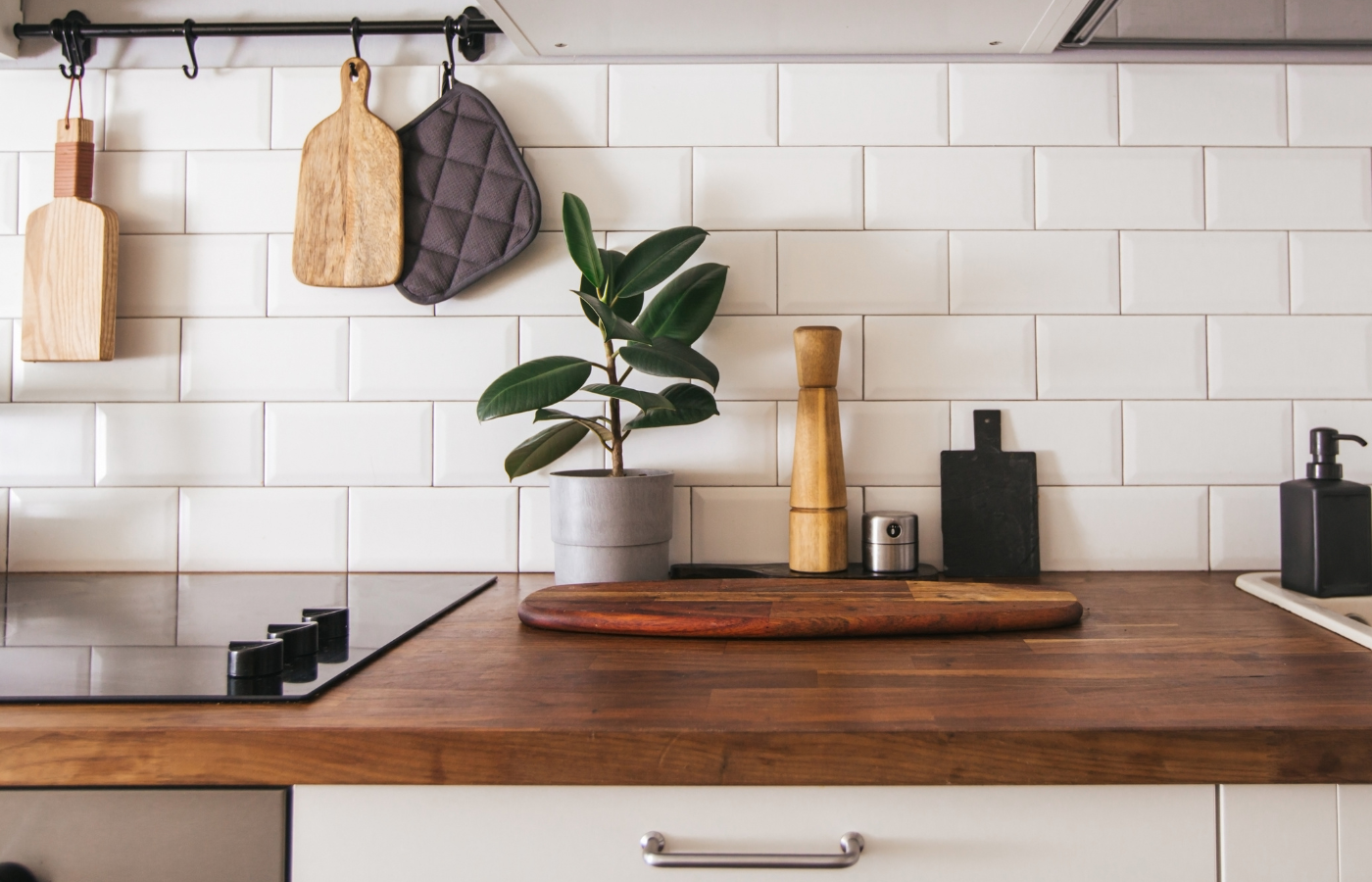
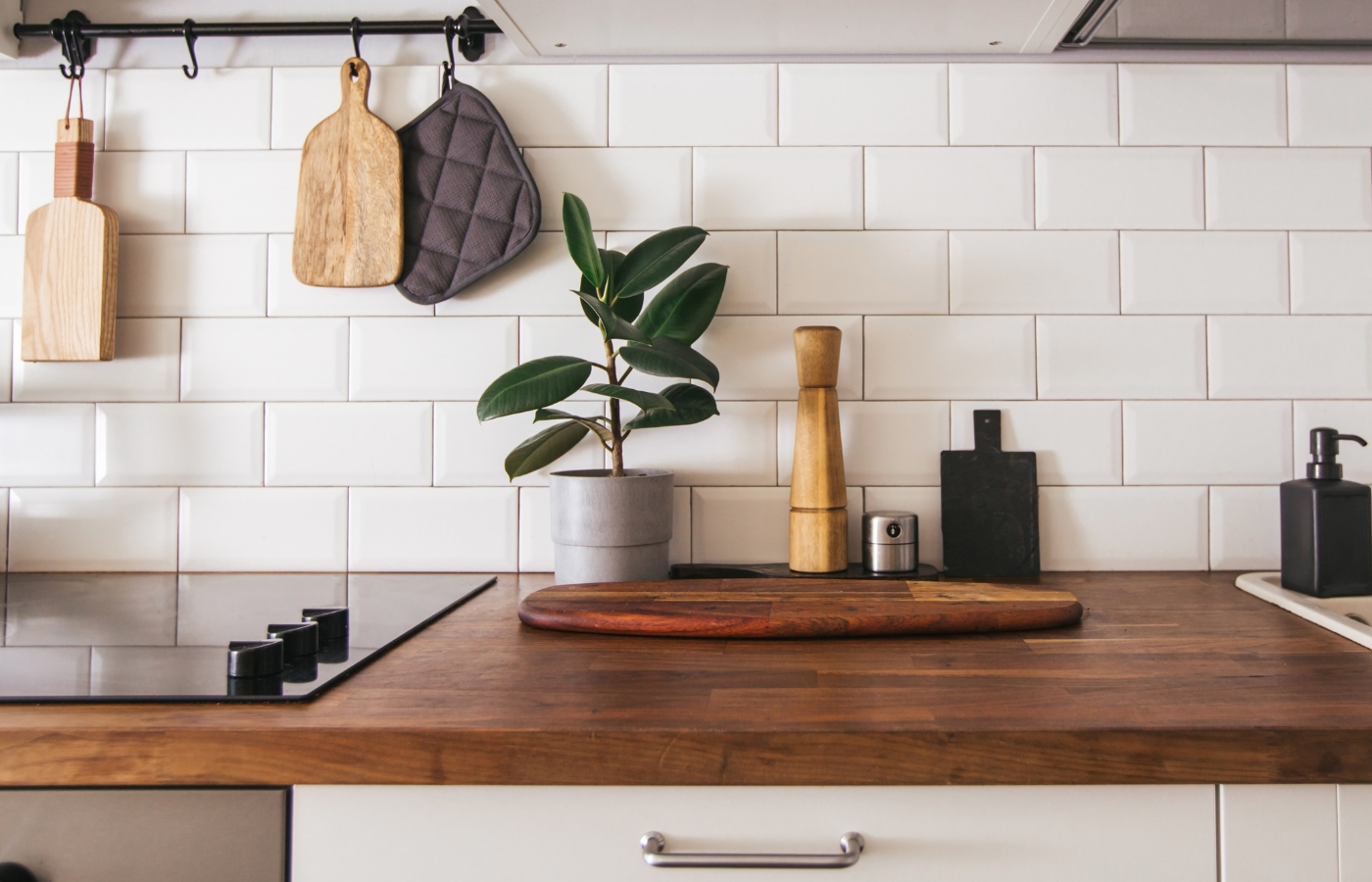
Few design decisions have as much impact on the look and feel of a kitchen as the countertop. It influences everything from daily functionality to long-term durability and even resale value. For homeowners comparing natural warmth with lasting performance, one of the most common questions is whether to choose butcher block or stone countertops.
At Design Surfaces, we help homeowners navigate choices like butcher block vs stone countertops every day. While both materials offer distinct advantages, they create very different experiences in the kitchen. Understanding those differences can help you select a surface that aligns with your lifestyle, maintenance preferences, and design goals.
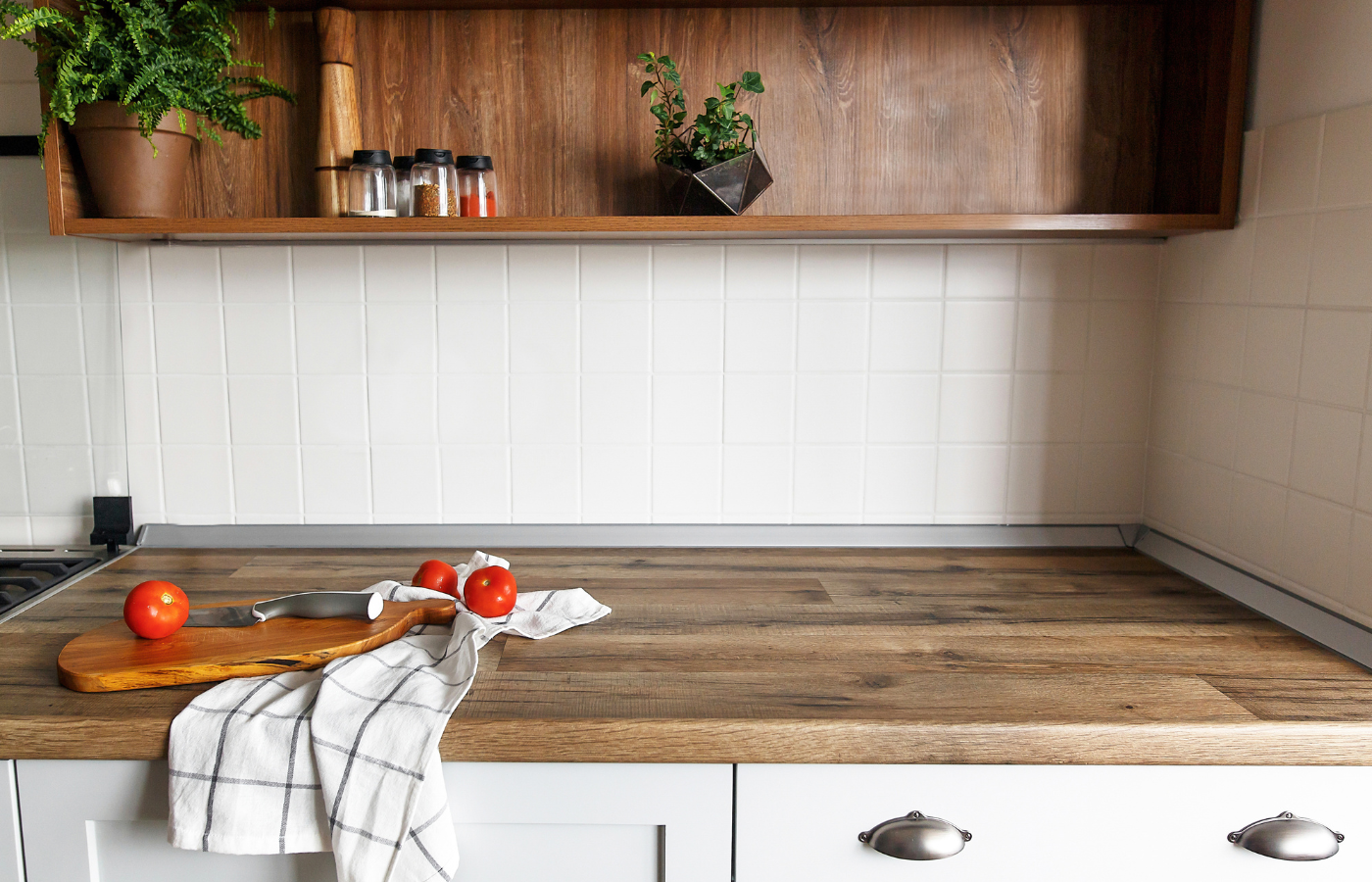
There is a reason butcher block remains popular despite the growth of quartz, quartzite, and porcelain surfaces.
Wood countertops introduce warmth and character that few materials can replicate. The natural grain patterns, organic texture, and rich tones create an inviting atmosphere that feels comfortable and timeless.
Butcher block is typically made from hardwoods such as:
Because it is a natural material, each installation has its own unique appearance.
For homeowners who love farmhouse, cottage, Scandinavian, or transitional design styles, butcher block can bring a sense of warmth that complements the overall aesthetic.
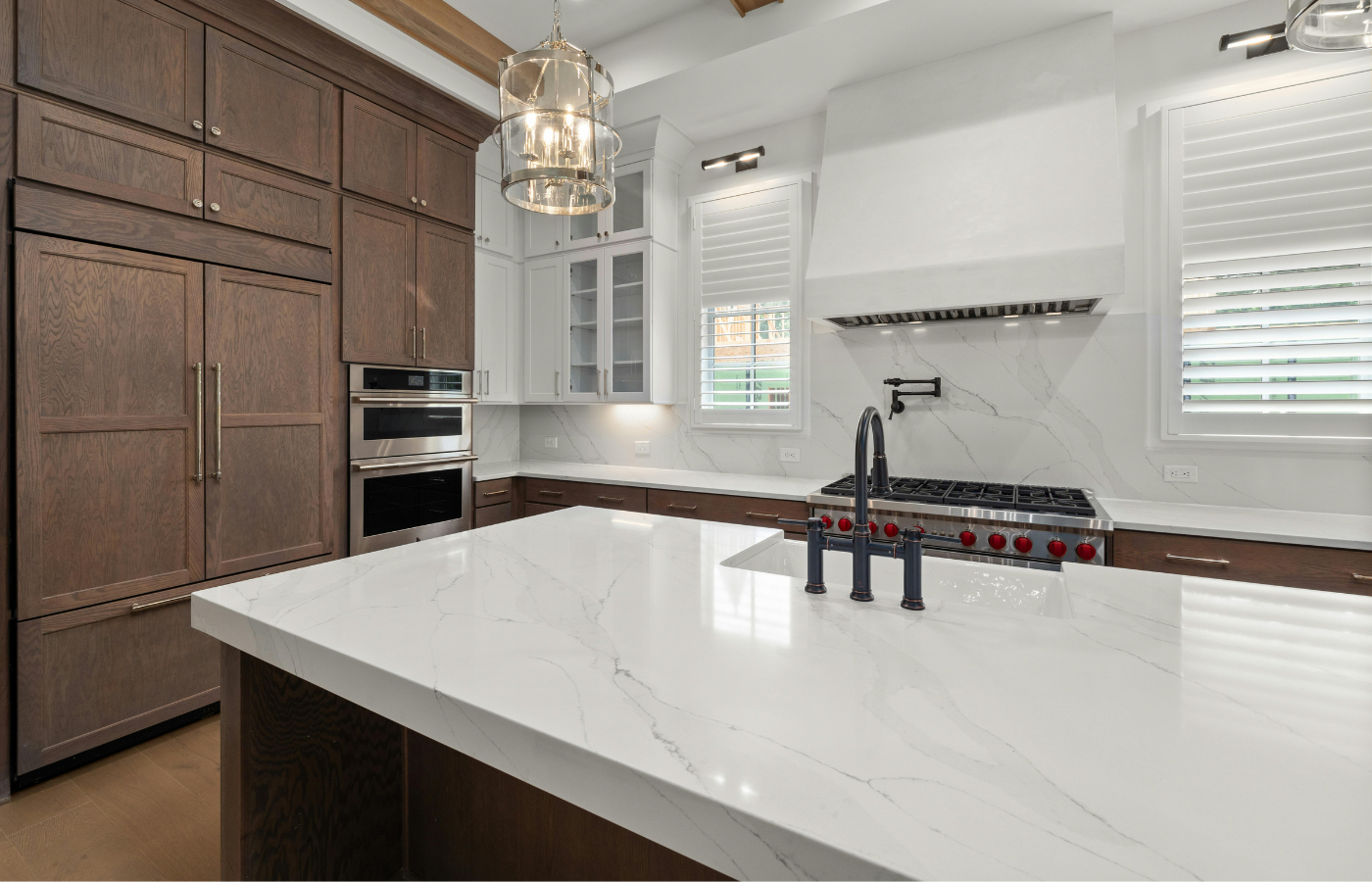
Stone countertops continue to dominate kitchen design because they offer an exceptional balance of beauty, durability, and long-term performance.
Depending on the material selected, stone countertops can provide:
Popular stone options include:
Each material has its own characteristics, but all provide a more durable work surface than traditional wood countertops.
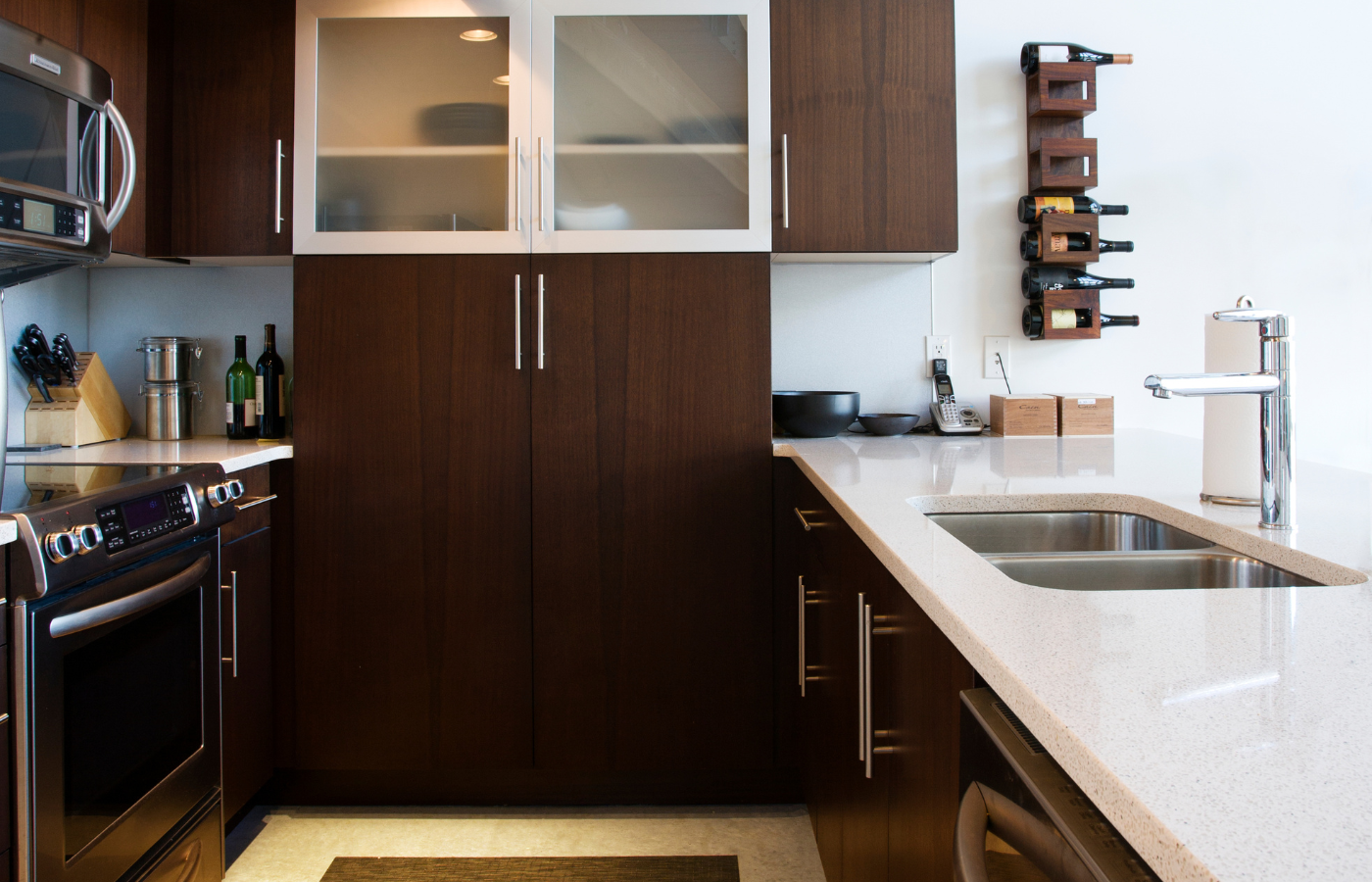
The primary difference comes down to performance versus warmth.
Butcher block offers natural character and visual softness. Stone countertops provide durability, resilience, and easier long-term maintenance.
Neither choice is inherently better. The right option depends on how you cook, how much maintenance you're willing to perform, and what atmosphere you want your kitchen to create.
When comparing butcher block vs stone countertops, aesthetics are often the first consideration.
Wood introduces an organic element that instantly softens a kitchen.
Its natural grain creates movement without feeling busy, and the material pairs beautifully with:
Butcher block can make even large kitchens feel more approachable and comfortable.
Stone surfaces create a different type of statement.
Whether it is the dramatic movement of quartzite, the timeless elegance of marble, or the clean consistency of quartz, stone tends to elevate a space and create a more refined appearance.
Many homeowners choose stone because it provides visual impact while maintaining a sense of permanence and luxury.
Durability is often where stone countertops begin to separate themselves.
Wood is naturally softer than stone.
While many homeowners appreciate the lived-in character that develops over time, butcher block is susceptible to:
Some homeowners enjoy the patina that develops with use. Others prefer surfaces that remain more consistent over time.
Most stone surfaces are designed to withstand the demands of a busy kitchen.
Quartz, quartzite, granite, and porcelain offer resistance to:
For families, frequent cooks, and homeowners seeking low-maintenance performance, stone often provides greater peace of mind.
One of the most important considerations in the butcher block vs stone countertops debate is maintenance.
Wood countertops require ongoing attention to maintain their appearance and performance.
This typically includes:
Without proper care, butcher block can dry out, warp, stain, or develop damage over time.
Maintenance varies by material.
Quartz is one of the easiest surfaces to maintain because it is non-porous and does not require sealing.
Granite, quartzite, and marble may require periodic sealing, but generally need less day-to-day attention than butcher block.
For homeowners who prefer a simpler routine, stone often has the advantage.
Kitchens naturally expose countertops to moisture.
Sinks, dishwashers, cooking, and food preparation all introduce water into the environment.
While properly maintained butcher block can perform well, prolonged moisture exposure remains one of its greatest vulnerabilities.
Stone surfaces generally perform better around:
For households with heavy daily use, this can become a significant factor.
Heat resistance varies among countertop materials.
Butcher block can be damaged by hot cookware and may scorch if exposed directly to high temperatures.
Stone surfaces typically perform better under heat exposure.
Quartz requires some caution because resins can be affected by extreme temperatures, but granite, quartzite, and porcelain offer excellent heat resistance.
For homeowners who cook frequently, stone often provides greater flexibility.
When homeowners ask which option adds more value, stone usually has the advantage.
Modern buyers often associate quartz, quartzite, granite, and other premium surfaces with quality and long-term durability.
Stone countertops are frequently viewed as a desirable upgrade that can increase buyer interest.
Butcher block can absolutely enhance a home's character, but its appeal tends to be more style-specific.
For broad resale appeal, stone typically offers stronger long-term value.
Pricing varies significantly based on material selection, edge details, fabrication requirements, and installation complexity.
Generally speaking:
The least expensive option upfront is not always the most economical over the life of the kitchen.
Homeowners no longer have to choose one material exclusively.
Many modern kitchens combine butcher block and stone countertops to capture the benefits of both.
Popular examples include:
This approach creates visual interest while balancing warmth and performance.
It also allows homeowners to enjoy the character of wood without committing to it throughout the entire kitchen.
The answer depends on how you use your kitchen.
Understanding how the space will function is often more important than following trends.
Countertops look very different in person than they do online.
Color variation, texture, edge profiles, and overall scale can completely change how a material feels within a space.
At Design Surfaces, serving homeowners, designers, and contractors across Cleveland, we help clients compare materials side by side so they can make confident decisions based on both appearance and performance.
Whether you're drawn to the warmth of wood or the durability of stone, seeing full-size samples and slabs often makes the right choice much clearer.
The choice between butcher block vs stone countertops ultimately comes down to priorities.
Butcher block offers warmth, character, and natural beauty. Stone provides durability, longevity, and broad design flexibility. Both can create beautiful kitchens when selected thoughtfully.
The best countertop is the one that supports the way you live while helping you achieve the look you want.
At Design Surfaces, we help homeowners compare materials, understand tradeoffs, and select surfaces that deliver both style and long-term performance.
Call: 440.899.9900 • Contact: Submit a Request • Email: info@designsurfaces.com


