Contact info +
.png)
.png)
.png)
Showroom Hours:
Mon-Fri - 9AM-5PM | Sat - 10AM-2PM | Sun - Closed
Mon-Fri - 9AM-5PM | Sat - 10AM-2PM | Sun - Closed


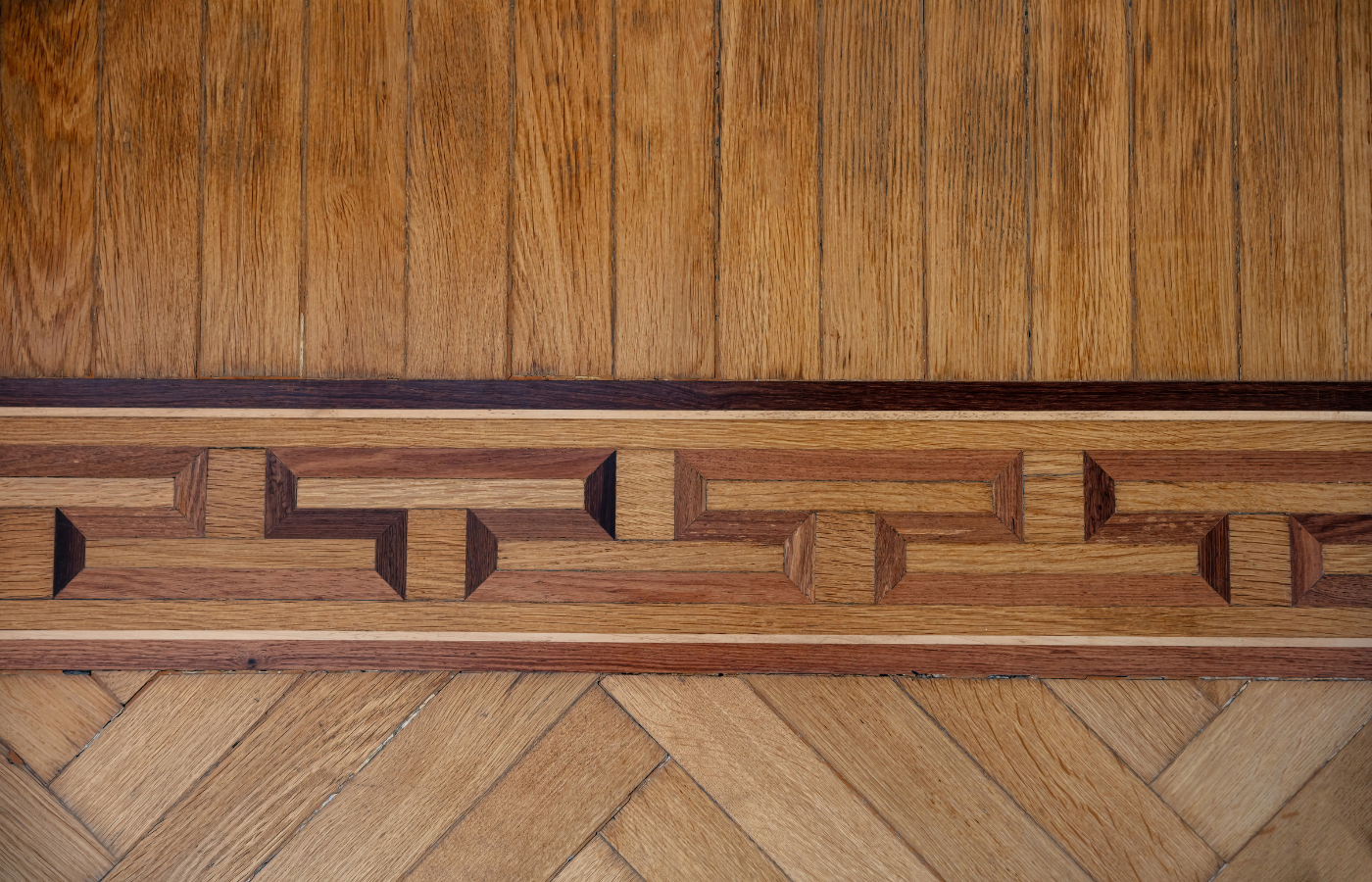
A beautiful remodel can still feel “unfinished” if the floors do not meet gracefully. That moment where tile turns into hardwood, or LVT meets a natural surface, is where the eye catches mistakes first. Design Surfaces helps Cleveland homeowners plan transitions that look intentional, feel comfortable underfoot, and hold up to real life wear. The right transition is not just a strip between materials. It is a design detail that ties the whole home together, protects your investment, and makes every room feel professionally finished.
Transitions do more than connect two surfaces. They solve practical problems that show up in real houses, especially in Northeast Ohio.
A well-planned transition can:
Cleveland homes also deal with seasonal movement. Hardwood can expand and contract. Tile stays stable. Luxury Vinyl Tile (LVT) is resilient but still needs correct spacing and finishing. A proper transition helps these materials coexist without cracking, buckling, or separating over time. Engineered wood flooring is more stable in variable humidity and temperature environments, which helps it meet tile or LVT without excessive gaps or warping.
The best flooring transitions between tile, hardwood, and LVT depend on where the materials meet.
Ask two questions first:
In open layouts, the transition detail becomes more visible and more important. In smaller, compartmentalized spaces, a simple doorway transition can look crisp and clean.
Tile and hardwood are a classic pairing for Cleveland kitchens, mudrooms, and entryways. The challenge is that tile is often higher than hardwood due to thinset and underlayment.
If you want a quiet, designer finish, a flush transition or slim metal profile usually reads most upscale.
Design Surfaces often recommends selecting transition strategy early, at the same time you choose tile thickness and hardwood underlayment.
LVT is popular in Cleveland because it performs well in basements, mudrooms, and busy family areas. When LVT meets tile, the transition needs to handle moisture, traffic, and slight flexibility.
For wet zones like laundry areas or entries, aim for a transition that seals and protects the LVT edge. This prevents peeling or lifting over time.
Hardwood and LVT can look surprisingly cohesive when color tones align. The transition should support that harmony, not break it.
If you want the transition to disappear, match undertones carefully. A warm oak floor paired with a cool gray LVT can make even a perfect transition look visually “off.”
The transition should coordinate with at least one of the surrounding finishes: flooring tone, trim color, or nearby hardware.
A strong general rule: if your style leans modern or minimalist, metal profiles feel more elevated. If your style leans traditional or transitional, stained wood transitions can look more natural.
Even the best transition strip can look wrong if it is placed poorly. For the best flooring transitions between tile, hardwood, and LVT, layout matters as much as material.
In Cleveland open layouts, many homeowners use tile in an entry or mudroom zone and transition into hardwood or LVT along a clean, predictable line rather than a zig-zag cut.
Height issues cause most transition regrets. Tile installations can be thicker than expected. Hardwood can sit higher with certain underlayments. LVT can vary by brand and wear layer.
To avoid surprises:
Design Surfaces helps clients anticipate these details by reviewing tile format, thickness, and installation approach together.
Flooring transitions are easier when you can compare everything side by side.
Bring:
This makes it easier to choose a transition that looks high-end and performs well.
The best flooring transitions between tile, hardwood, and LVT are the ones that solve height differences, protect edges, and support a cohesive design across connected spaces. When transitions are planned early, placed intentionally, and matched to the surrounding finishes, your floors look custom instead of pieced together. If you are renovating in Cleveland, choosing the right profiles and layout can make the difference between a nice remodel and a truly polished one.
Ready to plan flooring that looks seamless from room to room? Visit Design Surfaces to compare tile, hardwood pairings, and LVT-friendly transition options in person. Our team is proud to be serving homeowners, designers, and contractors across Cleveland with premium materials and guidance that helps your project look finished, elevated, and built to last.
Call: 440.753.6952 • Contact: Submit a Request • Email: info@designsurfaces.com


