Contact info +
.png)
.png)
.png)
Showroom Hours:
Mon-Fri - 9AM-5PM | Sat - 10AM-2PM | Sun - Closed
Mon-Fri - 9AM-5PM | Sat - 10AM-2PM | Sun - Closed


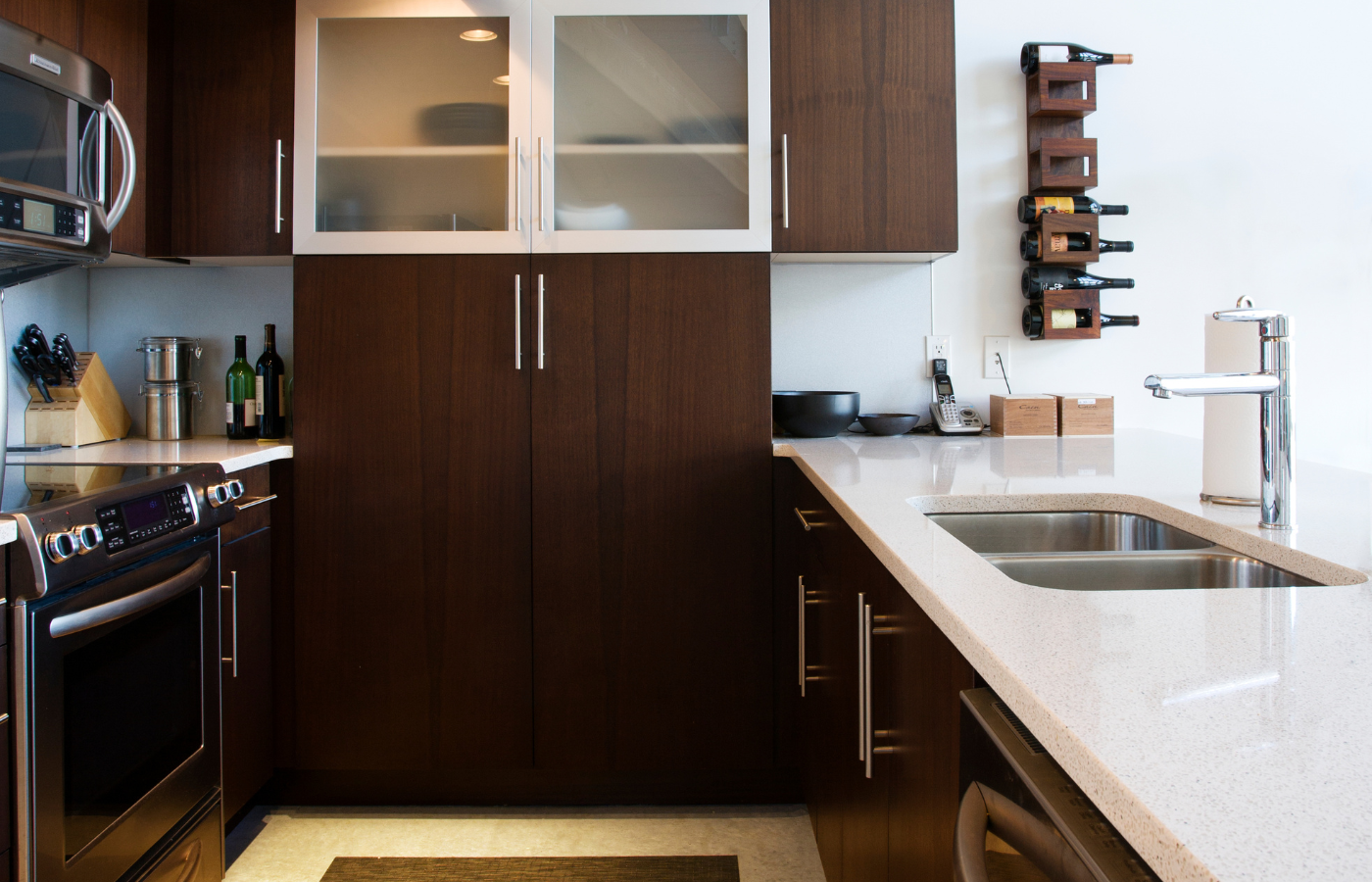
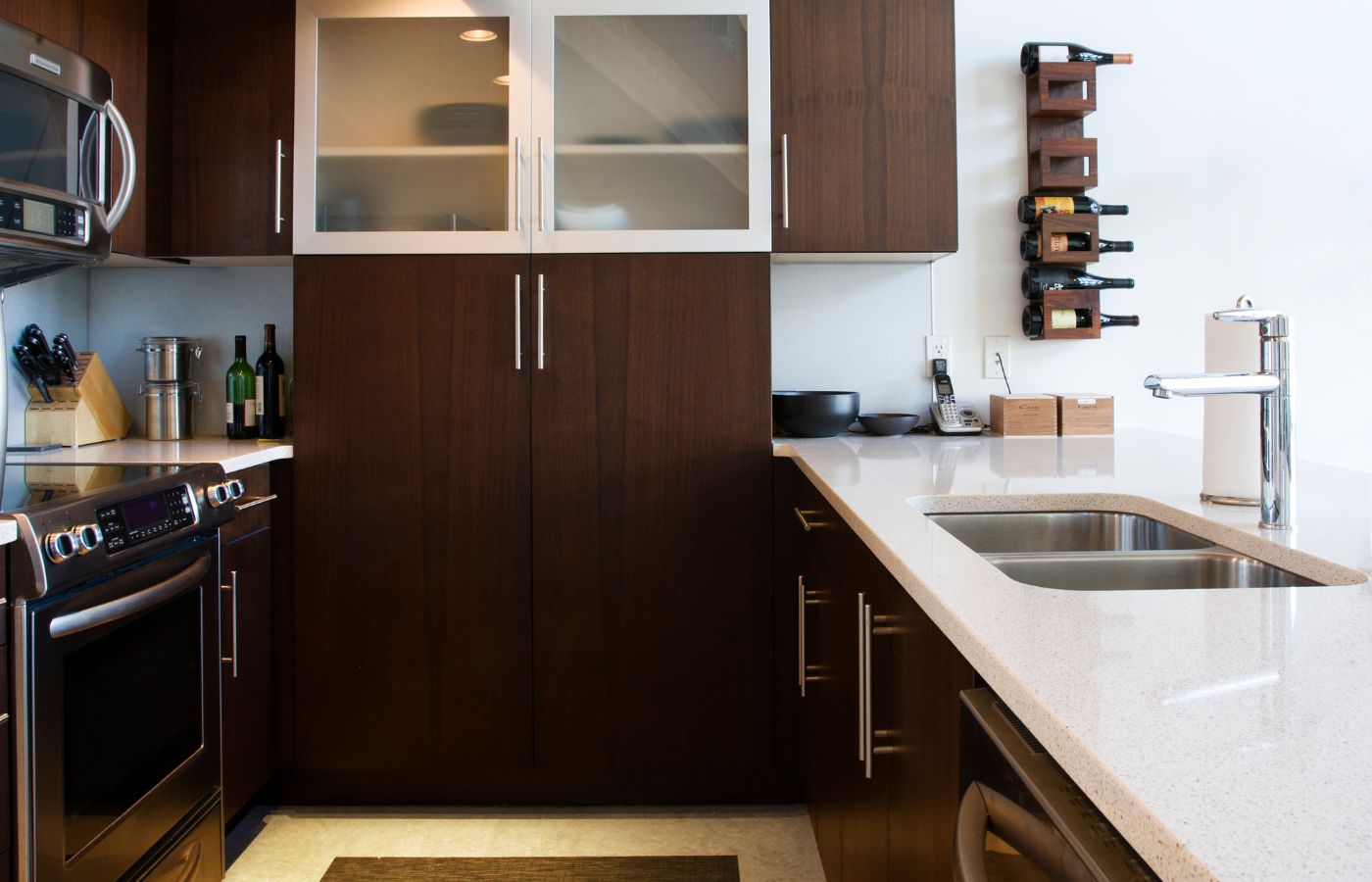
A small kitchen rarely feels small because of square footage alone. More often, it is the way materials break up the space, absorb light, or compete visually. The right countertop can quietly expand a room, while the wrong one can make even a well-designed layout feel constrained. At Design Surfaces, we guide Cleveland homeowners through selecting countertops for small kitchens with a focus on proportion, continuity, and light. When approached thoughtfully, the countertop becomes one of the most powerful tools for making a compact kitchen feel open, refined, and complete.
In larger kitchens, materials can compete without overwhelming the space. In a smaller kitchen, every surface plays a more dominant role.
Countertops sit at eye level and span across cabinetry, meaning they influence:
When selecting countertops for small kitchens, the goal is not simply to choose a durable material. It is to create a surface that visually supports the entire space.
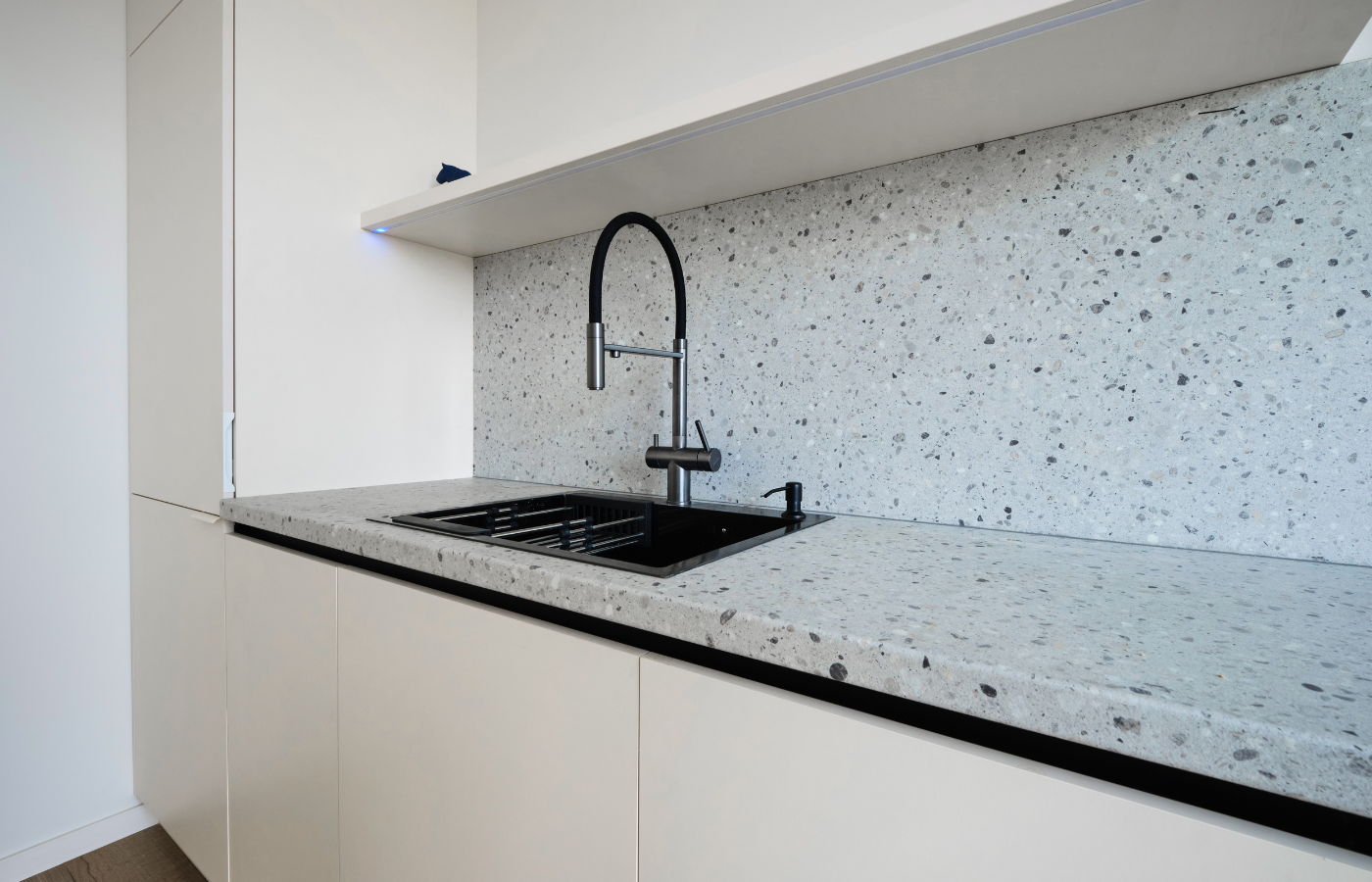
One of the most effective ways to make a small kitchen feel larger is to reduce visual interruption.
A countertop with excessive contrast or fragmentation can break the space into smaller sections. A more continuous surface allows the eye to move freely.
This can be achieved by:
Continuity creates a sense of openness that goes beyond square footage.
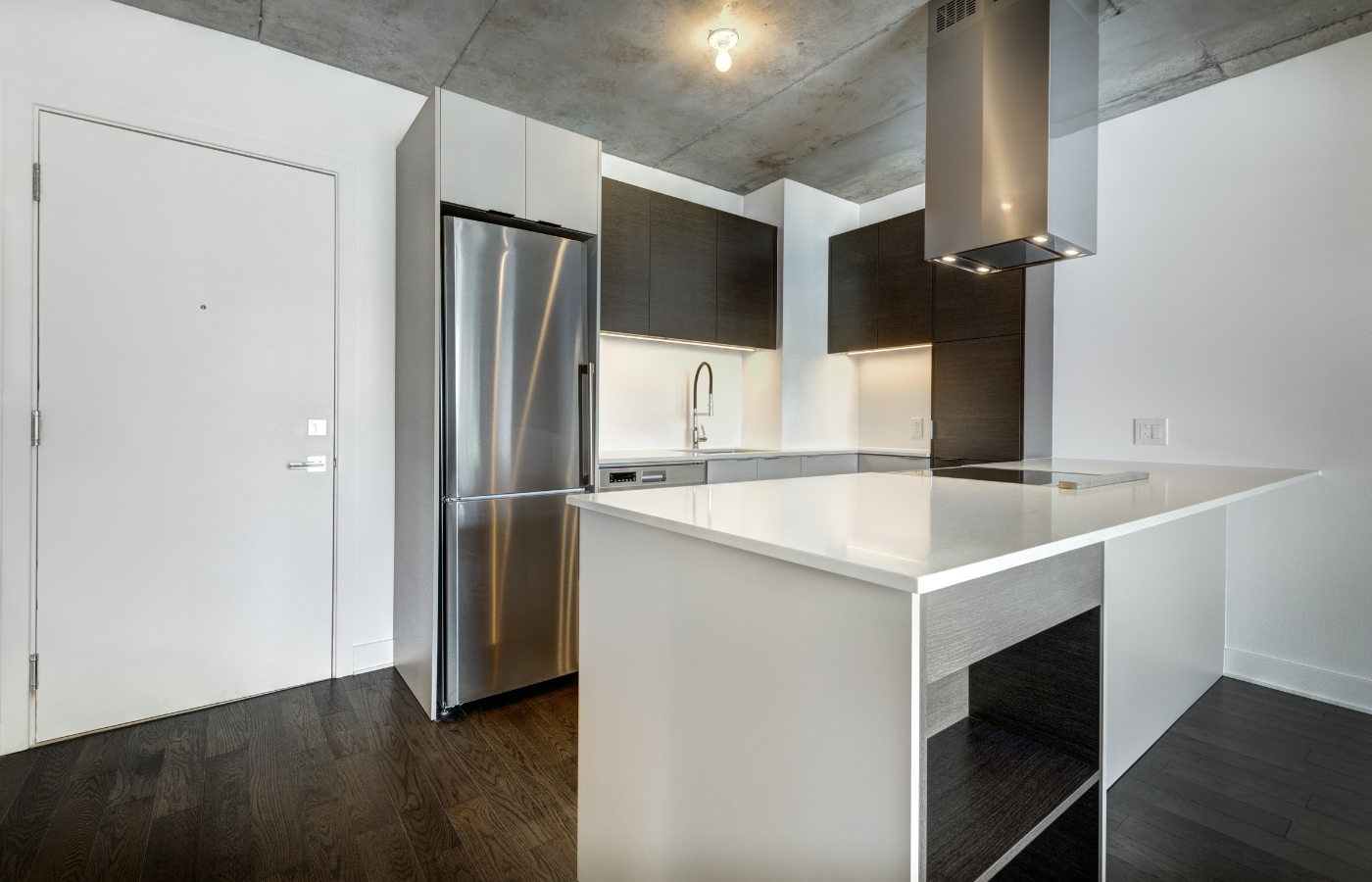
Light plays a defining role in how a small kitchen is perceived.
Polished finishes and lighter tones help bounce light throughout the space. This creates a brighter, more expansive feel.
Darker or heavily textured materials can add depth, but in smaller kitchens, they must be used carefully to avoid making the space feel enclosed.
When selecting countertops for small kitchens, balancing light reflection with design intent is essential.
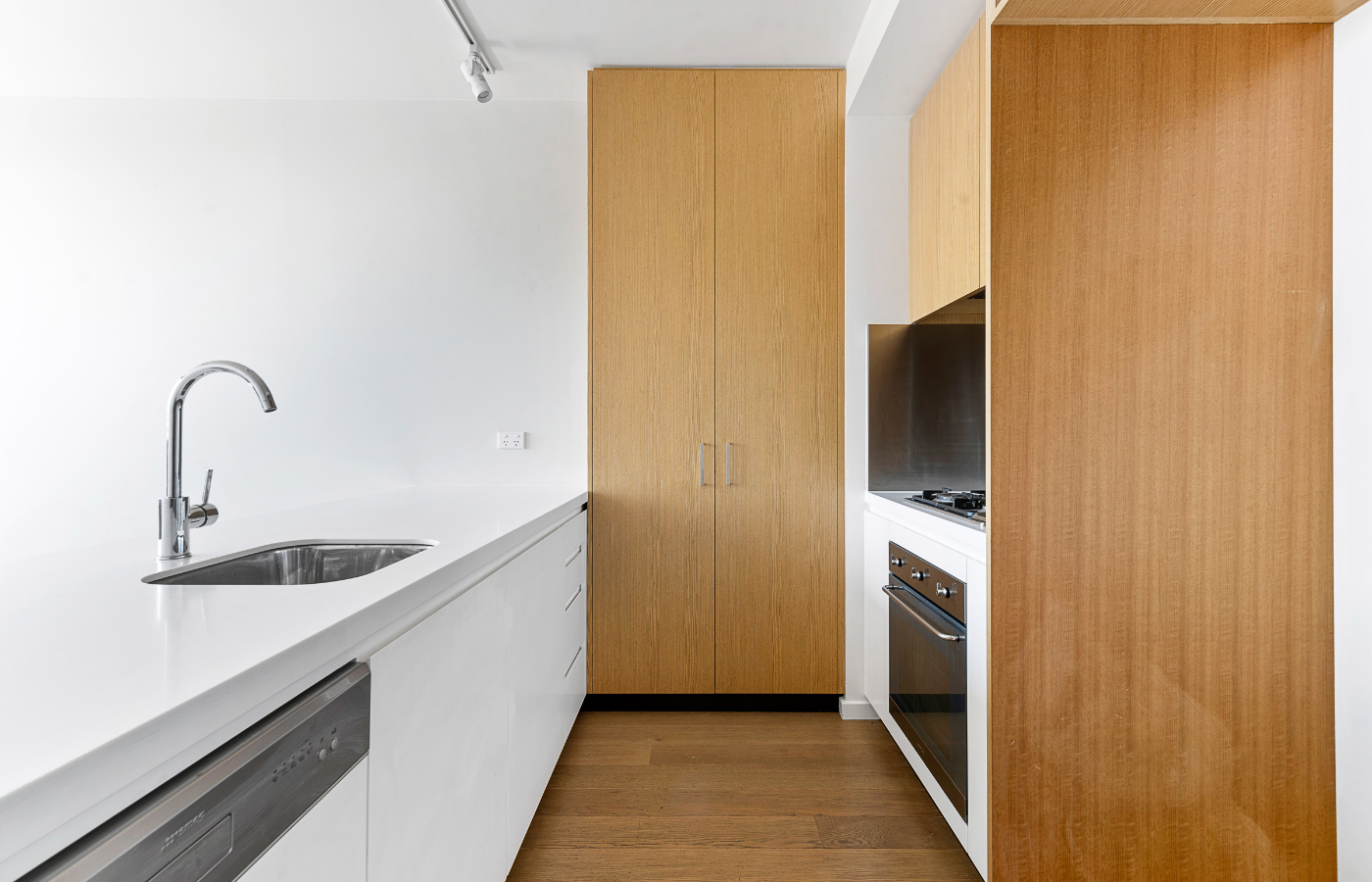
While lighter countertops are often recommended for small kitchens, the decision is more nuanced than simply choosing white or neutral tones.
Instead, consider:
A well-chosen color does not just brighten the space. It connects all elements into a cohesive palette.
Large, dramatic patterns can feel expansive in open kitchens, but in smaller layouts, they can dominate the space.
For compact kitchens:
This approach allows the countertop to enhance the space rather than compete with it.
The physical dimensions of a countertop affect how heavy or light it feels visually.
Edge profiles also contribute. Simpler edges tend to support a clean, open look.
Not every surface in a small kitchen needs to stand out.
A strategic approach often works best:
This creates hierarchy without crowding the space.
While design is central, performance cannot be overlooked.
When selecting countertops for small kitchens, consider how the surface will be used daily.
Quartz offers:
Granite and quartzite provide:
Porcelain surfaces deliver:
At Design Surfaces, we help homeowners balance these factors, serving homeowners, designers, and contractors across Cleveland who want both functionality and refined design.
One of the most effective techniques in small kitchens is extending the countertop beyond its traditional boundaries.
This can include:
These decisions reduce visual breaks and create a more cohesive environment.
The relationship between cabinetry and countertops is especially important in smaller kitchens.
To maintain balance:
This pairing defines how the space feels as a whole.
Even well-intentioned choices can limit the effectiveness of a small kitchen.
Common pitfalls include:
Understanding these factors helps ensure that the countertop enhances rather than restricts the design.
Small samples often fail to capture how a material will feel in a compact space.
Viewing full slabs allows you to:
This step is especially important when selecting countertops for small kitchens, where every detail has a greater impact.
A well-designed small kitchen can feel just as refined as a larger one. The key is making intentional decisions that support both aesthetics and usability.
Thoughtful countertop selection contributes to:
Investing in the right material ensures that the space continues to feel complete over time.
A small kitchen does not need to feel limited. With the right approach, it can feel focused, efficient, and visually expansive.
Selecting countertops for small kitchens is not about minimizing choices. It is about refining them. Each decision should support openness, continuity, and balance.
At Design Surfaces, we guide homeowners through this process with a focus on design clarity and material expertise. The result is a kitchen that feels intentional, regardless of size.
In most cases, no. Hard water stains are typically mineral deposits that sit on the surface of the granite rather than damage within the stone itself. However, if buildup is left untreated for long periods, it can dull the appearance of the countertop and make maintenance more difficult.
Hard water stains form when water containing minerals such as calcium and magnesium evaporates from the surface. The minerals remain behind, creating white spots, cloudy rings, or chalky residue around sinks, faucets, and other frequently used areas.
No. Vinegar and other acidic cleaners can damage natural stone and compromise the protective sealer on granite countertops. Always use stone-safe cleaning products specifically designed for natural stone surfaces.
The frequency depends on the type of granite, the sealer used, and how heavily the countertop is used. Many granite countertops benefit from periodic sealer evaluations every one to three years to ensure continued protection against moisture and staining.
Dark granite often creates greater contrast against white mineral deposits, making hard water buildup easier to see. Highly polished surfaces can also reflect light in a way that highlights water spots and mineral residue.
Most hard water buildup can be safely removed using stone-safe cleaning methods, warm water, microfiber cloths, and granite-specific cleaners. If deposits persist or the surface appears etched or damaged, professional evaluation may be beneficial.
The best prevention methods include:
No. Hard water stains are mineral deposits that typically sit on the surface of the countertop. True granite stains occur when oils, food, or liquids penetrate below the surface and discolor the stone. Identifying the difference is important because each requires a different cleaning approach.
Temporary mineral buildup does not reduce the inherent value of granite. However, a well-maintained countertop contributes to a cleaner, more refined appearance and helps preserve the long-term appeal and resale value of the kitchen or bathroom.
The safest option is a pH-neutral cleaner specifically formulated for natural stone. These products help remove residue and maintain the countertop's finish without damaging the granite or its protective sealer.
The best countertops for small kitchens are typically surfaces that enhance visual continuity, reflect light, and avoid overwhelming the space. Quartz, quartzite, granite, and porcelain can all work well when selected with the right color, pattern, and finish for the overall kitchen design.
In many cases, yes. Light-colored countertops reflect more light and can help a small kitchen feel brighter and more open. However, the best countertop color for a small kitchen depends on cabinetry, flooring, natural light, and the overall design palette.
Yes. Quartz countertops are one of the most popular choices for small kitchens because they offer consistent patterns, low maintenance, and a wide range of colors. Many homeowners choose quartz to create a clean, cohesive look without excessive visual movement.
Not necessarily. Matching countertops and cabinets too closely can sometimes make a kitchen feel flat. Instead, focus on complementary tones and shared undertones that create visual harmony while maintaining depth and interest.
Subtle veining, controlled movement, and consistent patterns often work best in compact kitchens. Highly dramatic patterns can sometimes dominate a smaller space, while quieter surfaces help create a cleaner and more spacious appearance.
Not always. Dark countertops can work beautifully in small kitchens when balanced with lighter cabinetry, adequate lighting, and cohesive surrounding materials. The key is creating contrast thoughtfully without making the space feel visually heavy.
Simple edge profiles such as eased, pencil, or straight edges often work best in small kitchens. These profiles create a clean appearance and help reduce visual bulk, supporting a more open and modern design aesthetic.
Yes. Thoughtfully selected countertops can improve both functionality and visual appeal. Durable, attractive materials such as quartz, granite, quartzite, and porcelain often contribute to stronger buyer appeal and a more polished overall kitchen design.
Using the same material for both the countertop and backsplash can create greater visual continuity and make a small kitchen feel larger. Slab backsplashes are especially effective at reducing visual interruptions and creating a more seamless look.
When selecting countertops for small kitchens, consider:
The most successful small kitchen designs balance aesthetics, functionality, and proportion to create a space that feels larger, more cohesive, and more refined.
The most effective kitchens are not defined by square footage, but by how well the space is used and perceived.
By understanding how countertops influence light, scale, and flow, homeowners can transform a compact kitchen into one that feels open and refined. With the right material and design approach, the space becomes not only functional, but elevated in every sense.
Design Surfaces offers the guidance and selection needed to bring that vision to life, helping you create a kitchen that feels complete, balanced, and enduring.
Call: 440.899.9900 • Contact: Submit a Request • Email: info@designsurfaces.com


